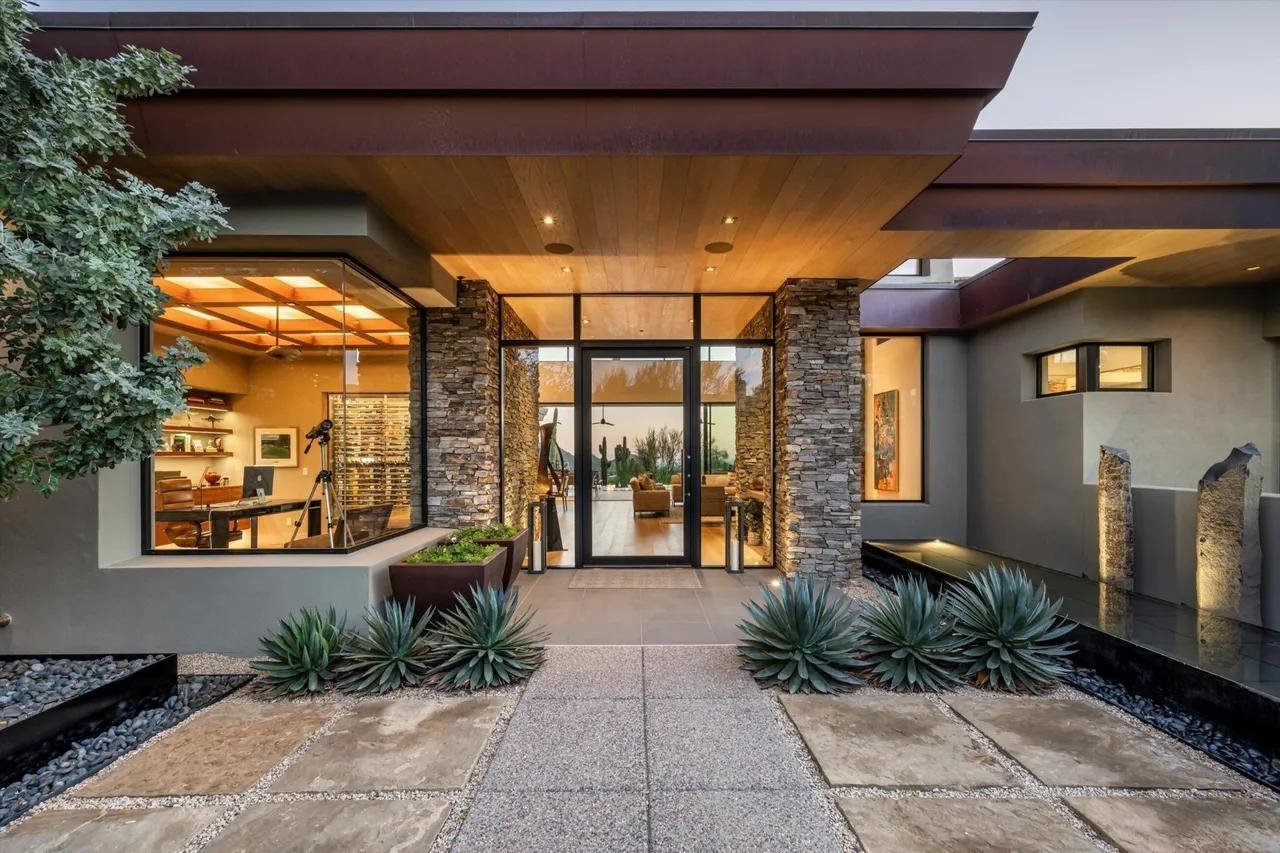
Buying a luxury home in North Scottsdale often means you are financing far above standard loan limits, and that changes the conversation fast. If you are weighing how to structure a large purchase, comparing monthly payment options, or trying to make a strong offer without overextending, the right financing strategy matters just as much as the home itself. The good news is that you have several paths to consider, especially if your income, assets, or goals do not fit a simple box. Let’s dive in.
Start With the Jumbo Threshold
In Maricopa County, the 2026 one-unit conforming loan limit is $832,750. If your first-lien mortgage is above that amount, the loan is considered jumbo or otherwise nonconforming.
That matters because luxury financing usually comes with different underwriting standards than conforming loans. In simple terms, lenders often look more closely at your credit profile, debt-to-income ratio, cash reserves, and down payment when the loan size gets larger.
Why Financing Looks Different in North Scottsdale
Luxury buyers in North Scottsdale Estates are often purchasing homes that push well beyond standard financing guidelines. That can make the loan structure more important than just chasing the lowest headline rate.
You may be balancing several priorities at once, such as preserving liquidity, keeping your monthly payment manageable, or using a structure that works better for self-employment income or investment goals. In this price range, financing should support your overall financial plan, not just get you to the closing table.
Jumbo Loans for Luxury Purchases
A jumbo conventional loan is often the first option buyers explore for a high-end home purchase. These loans are designed for balances above the conforming limit and can still offer flexibility, but they usually come with stricter approval standards.
Some jumbo programs may require 20% down, although certain primary-residence programs may allow as little as 10.01% down. In many cases, a lower loan-to-value ratio can improve pricing, which is one reason buyers often compare several down payment scenarios before moving forward.
Lenders also tend to look for strong documentation on income and assets. If you are planning a luxury purchase, it helps to prepare for a deeper review of your reserves and overall financial picture.
Fixed-Rate vs. ARM Options
One of the biggest choices in luxury financing is whether to use a fixed-rate mortgage or an adjustable-rate mortgage. Freddie Mac reported a 6.53% average for a 30-year fixed mortgage for the week of May 28, 2026, which gives you a useful benchmark as you compare options.
ARMs remain especially popular for higher loan-size nonconforming loans. That is often because they can offer a lower introductory payment, which may help preserve monthly cash flow.
If you expect to keep the home long term, a fixed-rate loan may offer more predictability. If you think you may sell before the introductory ARM period ends, an ARM may be worth a closer look.
Interest-Only Loans for Cash Flow Planning
Some luxury buyers want to keep early payments lower without tying up as much monthly cash flow. In that case, an interest-only jumbo loan may be one option to discuss.
According to current lender materials, some interest-only jumbo loans allow interest-only payments for the first 10 years before principal payments begin. This type of structure can help with short-term cash flow, but it also means your payment can rise later when principal repayment starts.
It is important to weigh the tradeoff carefully. A lower initial payment can be useful, but you want to understand how the long-term payment schedule fits your plans.
Portfolio Loans for Complex Scenarios
Portfolio loans can be especially useful when your financial picture is strong but less traditional. Unlike standard loans that are sold into the broader mortgage market, portfolio loans are kept by the lender, which gives that lender more flexibility in how it evaluates the file.
That can help if you are self-employed, have multiple income streams, or are buying a property with features that do not fit a standard lending box. The tradeoff is that portfolio loans can sometimes come with higher rates or stricter pricing than more standard loan products.
For many North Scottsdale luxury buyers, the value of a portfolio loan is not always about the cheapest rate. It is often about getting a structure that better matches your real financial story.
Self-Employed Buyers Have More Options
If you own a business, work as an independent contractor, or have significant variable income, you may need a broader documentation package than a salaried borrower. Lenders may ask for personal and business tax returns, bank statements, profit-and-loss statements, balance sheets, licenses, client proof, or business insurance.
Some lenders also want to see at least two years of self-employment history or business activity. That makes preparation important, especially if your income is solid but documented differently than a W-2 employee’s.
This is where planning ahead can make a big difference. Organizing your records early may help you compare loan options more clearly and move faster once you find the right property.
Bank-Statement Loans for Nontraditional Income
If your tax returns do not fully reflect your cash flow, a bank-statement loan may be a practical option. Many lenders use 12 to 24 months of bank statements instead of tax returns and W-2s for this type of program.
These loans are generally considered non-QM, which means they fall outside standard qualified mortgage guidelines. That does not make them bad loans, but it does mean they should be reviewed carefully so you understand the pricing, documentation, and long-term fit.
For buyers in North Scottsdale with strong deposits but more complex write-offs or business structures, this route can open doors that standard underwriting may not.
DSCR Loans for Investors
If you are buying a luxury property as an investment, a DSCR loan may be worth considering. DSCR stands for debt service coverage ratio, and this type of financing focuses more on the property’s income than on your personal W-2 income.
In general, the lender compares rental income or other property revenue to the debt obligation. A ratio above 1 means the property is covering its obligations, while a lower ratio can mean higher risk and potentially higher pricing.
Some investor programs show down payments starting at 15% for certain single-unit investment properties, though requirements can vary based on loan size, credit, and property type. That is why investors often compare DSCR, portfolio, and conventional investor financing side by side.
Cash-Out Refinance as a Funding Strategy
If you already own property, you may be thinking about using your existing equity to help fund a move-up purchase. A cash-out refinance can unlock equity, but it also increases your mortgage debt and reduces the equity you still hold in that property.
That is why this strategy works best when it is tied to a clear long-term plan. It can be helpful in the right scenario, but it should support your broader goals rather than create pressure later.
What Lenders Will Review Closely
No matter which loan path you choose, lenders still need to verify that you can comfortably carry the payment. Under the ability-to-repay framework, lenders consider and verify your current income or assets and your monthly debt.
In practice, they usually focus on a few key areas:
- Credit profile
- Debt-to-income ratio
- Down payment amount
- Proof of income or assets
- Cash reserves
For many luxury buyers, reserves are a major piece of the conversation. Reserve requirements can vary by occupancy type and overall profile, so it is smart to understand this early in your planning.
Reserve Requirements Matter More Than Many Buyers Expect
For conventional loans, reserve requirements are often measured in months of PITIA, which stands for principal, interest, taxes, insurance, and association dues when applicable. Current Fannie Mae guidance shows minimum reserves of 2 months for second-home transactions and 6 months for investment-property transactions.
Additional reserves may apply if you already have multiple financed properties. Fannie Mae’s automated underwriting policy also caps second-home or investment borrowers at 10 financed properties.
If you are buying a second home or adding to an investment portfolio in North Scottsdale, these details can shape your financing options more than you might expect.
Include Taxes and Escrows in Your Budget
Luxury buyers sometimes focus heavily on rate and down payment while underestimating carrying costs. In Maricopa County, the assessor sets property values, the tax rate is set in August, and property taxes are billed in September by the county treasurer.
Many lenders collect property taxes and applicable homeowners insurance through an escrow account as part of the monthly payment. When you are budgeting for a North Scottsdale estate purchase, that full monthly number matters more than principal and interest alone.
How to Make Your Offer More Competitive
In a luxury market, financing strength can shape how your offer is received. A verified preapproval letter can help give sellers more confidence that you will be able to finance the purchase, even though it is not a guaranteed loan offer.
It is also smart to request multiple Loan Estimates. Lenders must provide a Loan Estimate within three business days of receiving an application, and comparing them can help you evaluate the interest rate, monthly payment, closing costs, and expected taxes and insurance.
A rate lock also deserves attention, especially when closing timing is uncertain. Mortgage rates can change many times in a single day, and some luxury transactions need longer lock periods than buyers first expect.
The Best Financing Option Depends on Your Goal
There is no single best way to finance a luxury home in North Scottsdale. The right choice depends on whether you are buying a primary residence, second home, or investment property, and whether your priority is lower monthly payments, faster execution, flexible underwriting, or preserving liquidity.
That is why strategy matters upfront. When your home search, offer terms, and financing plan all work together, you are in a much stronger position to buy with confidence.
If you are weighing jumbo, portfolio, DSCR, or self-employed loan options for a North Scottsdale purchase, working with an advisor who understands both the property side and the financing side can save time and reduce friction. When you are ready to talk through your options, connect with Denise McManus.
FAQs
What loan amount counts as jumbo in Maricopa County?
- For 2026, a one-unit mortgage above $832,750 in Maricopa County is considered jumbo or otherwise nonconforming.
What financing options can luxury buyers use in North Scottsdale?
- Common options include jumbo conventional loans, portfolio loans, adjustable-rate mortgages, interest-only jumbo loans, bank-statement loans for nontraditional income, and DSCR loans for investors.
What do lenders review for a luxury home loan?
- Lenders usually review your credit, debt-to-income ratio, down payment, income or assets, and available cash reserves.
What should self-employed buyers prepare for a North Scottsdale mortgage application?
- You may need personal and business tax returns, bank statements, profit-and-loss statements, balance sheets, licenses, client proof, business insurance, and often at least two years of self-employment history.
What is a DSCR loan for a North Scottsdale investment property?
- A DSCR loan is an investor-focused loan that looks at the property’s income compared with its debt obligation rather than relying mainly on your personal W-2 income.
Why does a preapproval matter when buying a luxury home in North Scottsdale?
- A verified preapproval letter can help sellers feel more confident in your ability to finance the purchase, which may strengthen your offer in a competitive situation.