How to Compare Two Scottsdale Homes That Look Almost Identical
Scottsdale Home Buying Tips: 7 Details Buyers Should Compare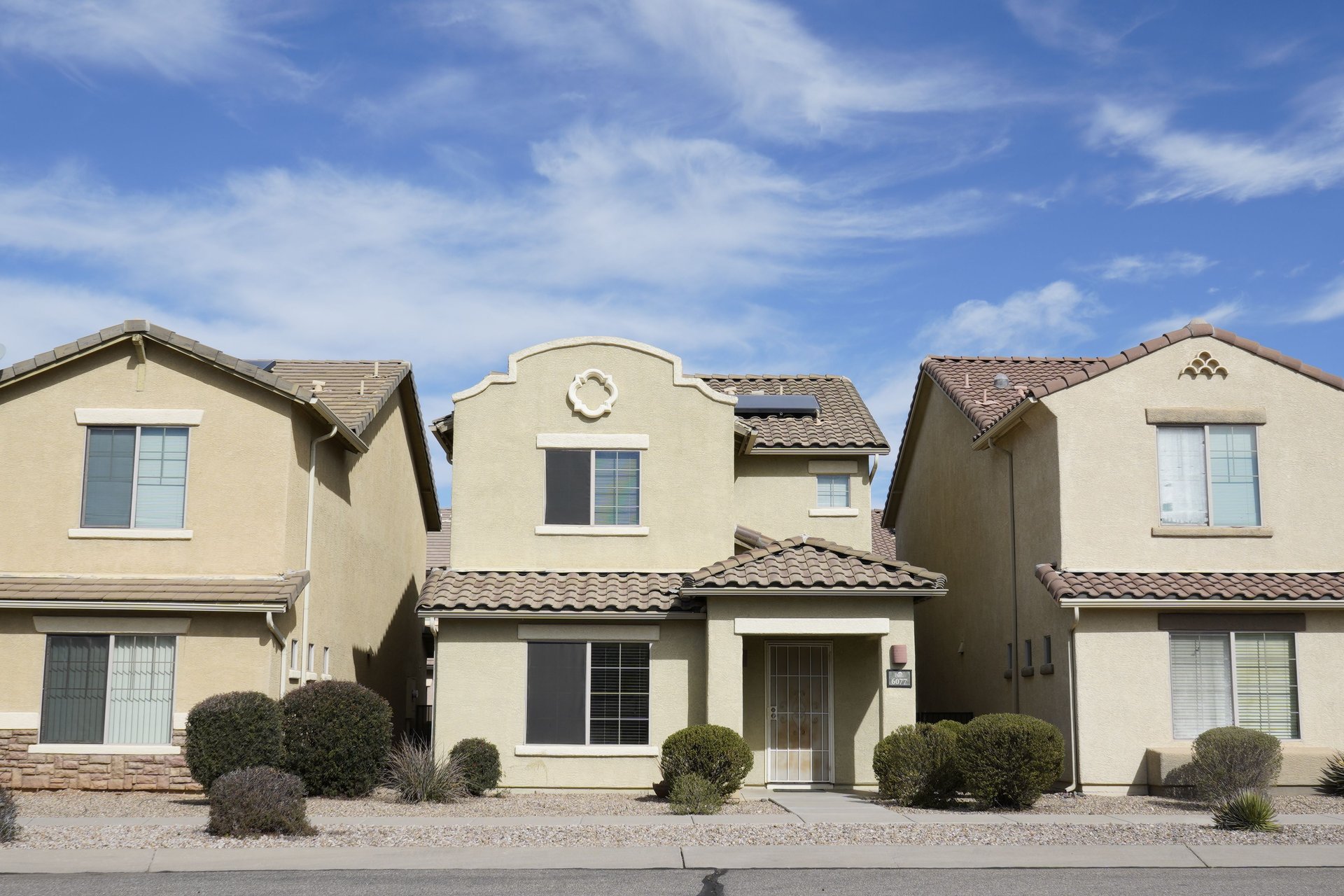
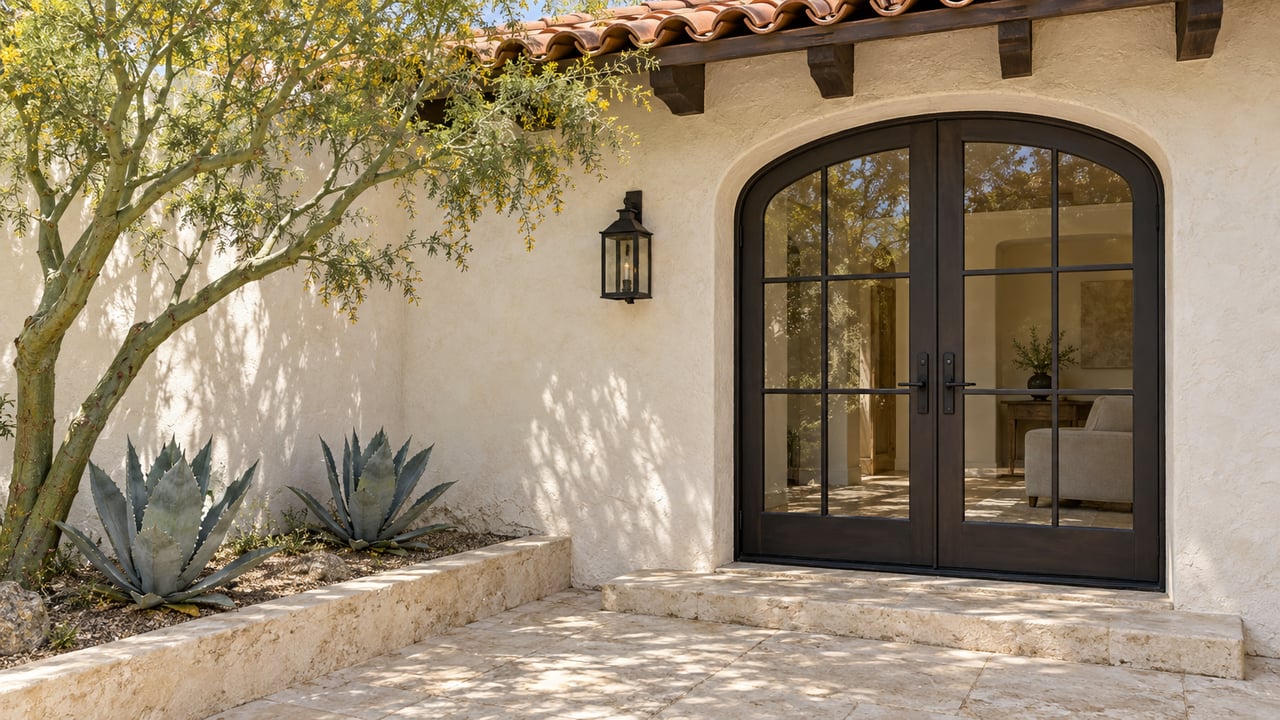
In Scottsdale, Arizona, buyers can find homes with similar architectural styles, modern interiors, swimming pools, and outdoor living spaces. While listing photos may make two properties look interchangeable, important differences can emerge once you look beyond the surface.
One home may have a more functional floor plan, a better-maintained air conditioning system, or a backyard that offers greater privacy. The other may be closer to your preferred amenities, have lower ongoing expenses, or offer features that better support your daily routine.
The key is knowing which differences matter most. Instead of choosing based on appearance alone, compare both properties using seven essential factors. This approach can help you make a more informed decision and find a home that offers the right balance of comfort, value, and long-term potential.
1. Look Beyond the Listing Photos
Professional photography can make almost any well-presented home look inviting. Wide-angle lenses, carefully selected camera angles, and thoughtful staging can help a property stand out online. However, photographs rarely tell the complete story.
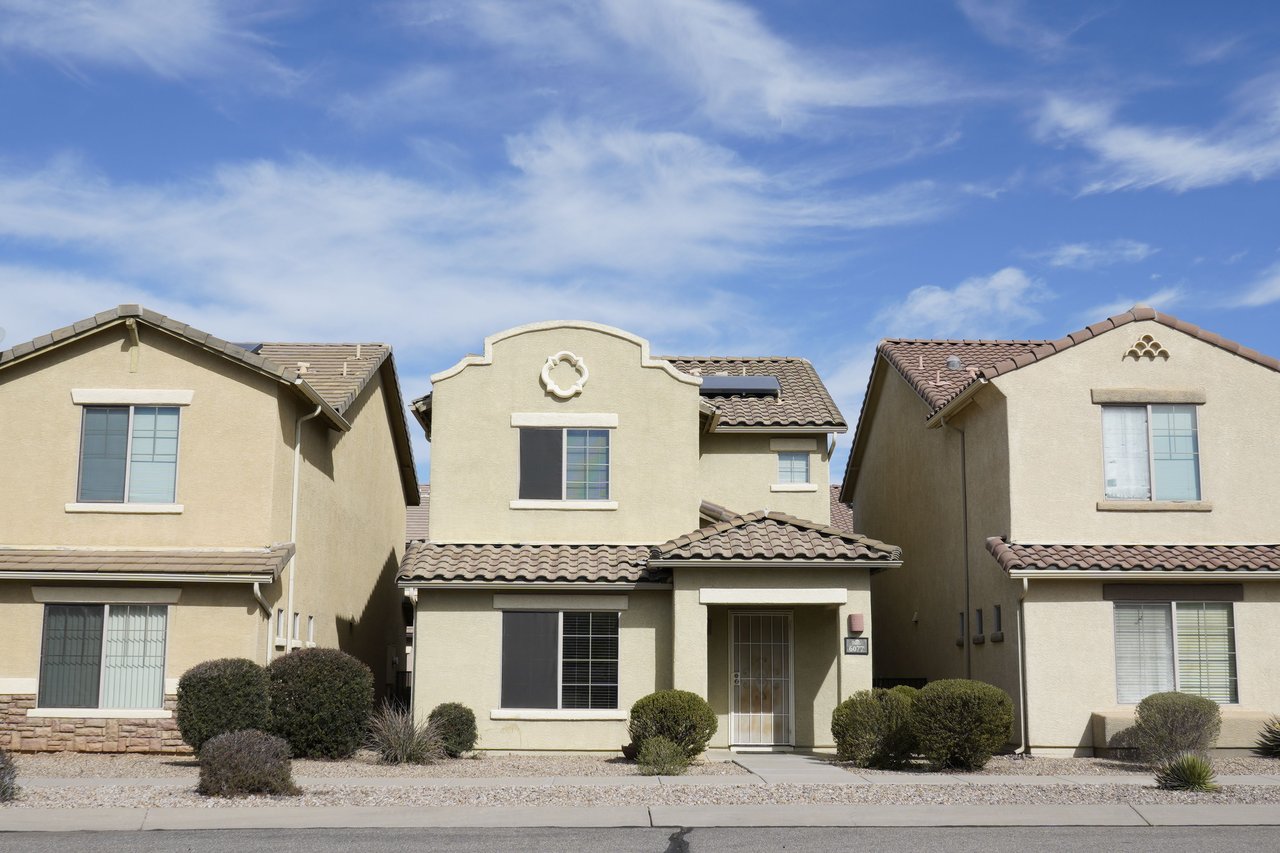
Two Scottsdale homes may feature similar kitchens, spacious living rooms, and attractive backyards, yet the experience of living in each property can be very different.
During showings, pay attention to details that may not be obvious in photographs. Does the living room receive enough natural light? Is there sufficient storage? Are the bedrooms positioned to provide privacy? Does the kitchen offer practical counter space, and does the overall layout feel comfortable?
Look beyond cosmetic features and consider how each space functions. A beautifully staged home may look impressive, but functionality matters long after the initial excitement of a showing fades.
It is also worth visiting both properties in person whenever possible. Photos and virtual tours are useful for narrowing down your options, but seeing a home firsthand can reveal details that influence your decision.
2. Compare the Exact Location
Two homes can share the same Scottsdale neighborhood or ZIP code without offering the same location advantages.
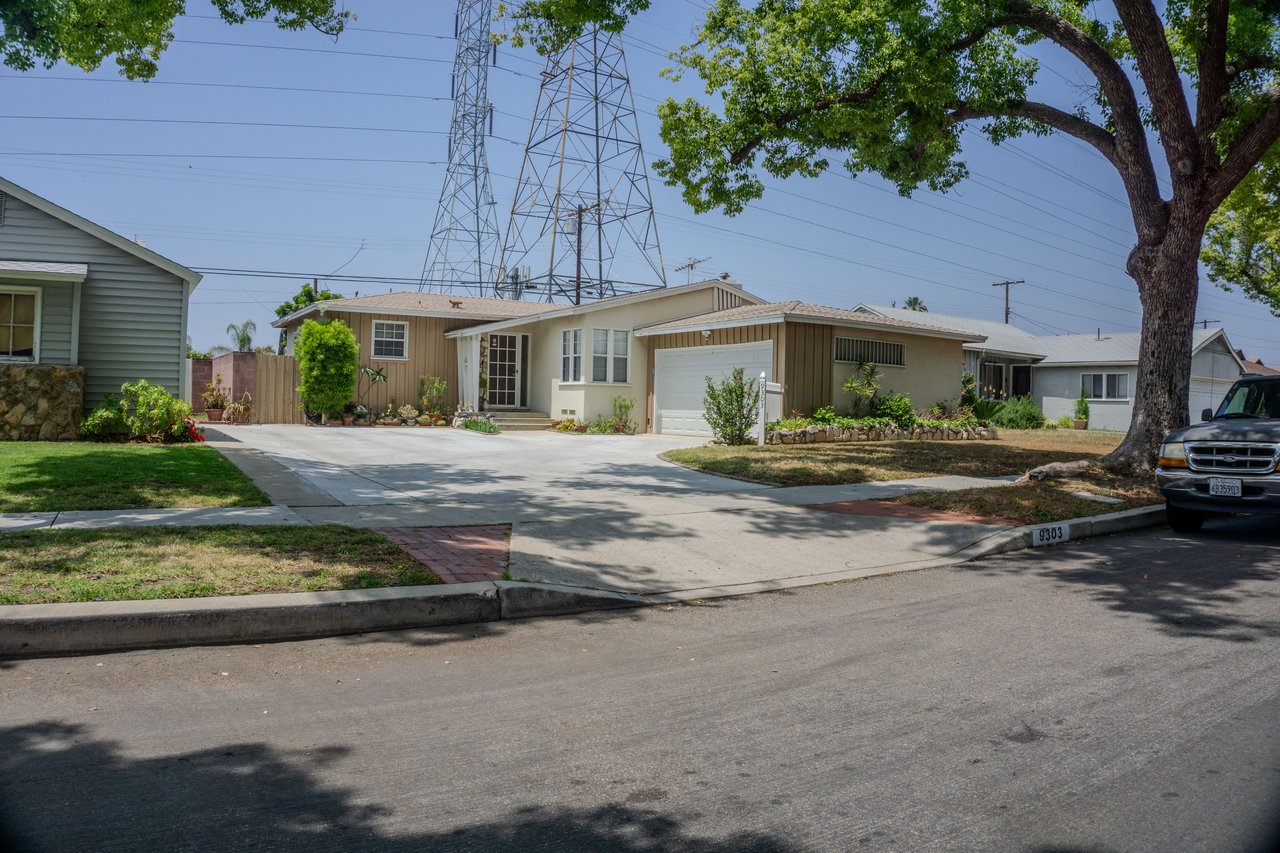
One property may sit on a quiet interior street, while another is closer to a busy road. One may have convenient access to shopping, dining, golf, or major commuting routes, while the other requires additional driving. Even homes within the same subdivision can differ in privacy, traffic exposure, views, and surrounding development.
Consider how each location fits your daily routine. If you work remotely, commute regularly, enjoy outdoor recreation, or frequently visit certain restaurants and shops, proximity to those destinations may influence your overall satisfaction.
Pay attention to the immediate surroundings, too. Visit the area at different times of day when possible to observe traffic, noise, parking, and neighborhood activity.
Location can also influence future resale appeal. While no location guarantees appreciation, a home's specific setting and access to desirable amenities may affect how it competes with other properties in the future.
The goal is to determine which property offers the best combination of convenience, comfort, and location benefits for your needs.
3. Evaluate the Floor Plan
Square footage tells you how much interior space a property has, but it does not tell you how effectively that space is used.
Two homes with nearly identical dimensions may have very different layouts. One may provide a spacious primary suite, a dedicated home office, and an open living area. The other may have awkward room transitions, limited storage, or bedrooms that do not accommodate your furniture comfortably.
Think about how you intend to use the home every day.
If you work remotely, is there a quiet room that can function as an office? If you frequently host guests, does the layout provide enough separation between guest bedrooms and the primary suite? If you enjoy entertaining, does the kitchen connect naturally to the living area and backyard?
Storage also deserves attention. Closets, pantry space, garage storage, and practical utility areas can make a significant difference in everyday comfort.
Consider your future needs as well. Your household, work arrangements, or lifestyle may change over time, so a flexible floor plan can be valuable.
The better layout is not necessarily the one with the largest rooms or the most open space. It is the one that supports your routines with the fewest compromises.
4. Check the Condition of Major Systems
A home can look beautifully updated while still having aging systems that may require expensive repairs. Fresh paint, new flooring, and modern fixtures improve appearance, but they do not necessarily indicate that the roof, plumbing, electrical components, or HVAC equipment are in good condition.
This is particularly important in Scottsdale, where air conditioning plays a central role in year-round comfort.
When comparing two similar homes, ask about the age, maintenance history, and condition of their major systems. Review available records for the HVAC equipment, roof, water heater, and other significant components. During the inspection process, pay attention to recommended repairs or areas that require further evaluation.
For example, one home may have a recently remodeled kitchen but an aging air conditioning system that could need replacement sooner than expected. Another may have less impressive finishes but newer equipment and documented maintenance.
Depending on the inspection findings and estimated costs, the second property could offer a more predictable ownership experience.
A professional home inspection can help identify potential concerns before you commit to a purchase. Depending on the findings, additional evaluations by qualified specialists may also be appropriate.
Remember that newer does not always mean problem-free, and older does not automatically mean a home is a poor choice. What matters is understanding each property's condition and the potential costs involved.
5. Compare the Backyard, Lot, and Privacy
Outdoor living is an important consideration for many Scottsdale buyers. Pools, covered patios, outdoor kitchens, mature landscaping, and mountain views can contribute to a property's appeal. However, two backyards that look similar in listing photos may offer very different experiences.
Start by considering usability. Is there enough covered space to sit outside comfortably? Does the patio receive significant afternoon sun? Is the pool positioned in a way that leaves room for other activities? Does the landscaping provide privacy without creating excessive maintenance requirements?
The lot itself also matters. Two properties with similar interior square footage may have different lot sizes, orientations, and surrounding conditions.
Privacy deserves particular attention. A backyard that backs to another home may feel different from one with greater separation from neighboring properties. Views, nearby development, and the position of neighboring windows can also influence how private the outdoor area feels.
Do not forget ongoing maintenance. Pools, irrigation systems, extensive landscaping, and outdoor kitchens can add enjoyment, but they may also increase ownership expenses.
Consider which outdoor features you will genuinely use. A smaller, well-designed backyard may suit your lifestyle better than a larger space that requires more maintenance than you want to manage.
6. Calculate the Total Cost of Ownership
When two homes have similar asking prices, it is tempting to assume they will cost roughly the same to own. In reality, the financial differences may extend well beyond the initial purchase.
Compare the expected costs associated with each property, including:
Property taxes and insurance: Review available tax information and obtain insurance estimates based on each property's characteristics.
HOA fees: Confirm the amount, payment frequency, and services covered by any homeowners association.
Utilities: Consider how the home's size, windows, insulation, HVAC efficiency, and pool equipment may affect ongoing expenses.
Maintenance and repairs: Account for inspection findings and anticipated maintenance, especially for older systems or outdoor features.
Renovations: Estimate the cost of any improvements you want to complete after moving in.
Financing terms also matter. The monthly payment will depend on factors such as the purchase price, down payment, interest rate, and loan structure.
For example, one property might have a slightly higher asking price but newer systems and lower association fees. Another might cost less upfront but require immediate repairs and have higher recurring expenses.
A side-by-side comparison can help you see the bigger financial picture. Rather than focusing only on the purchase price, estimate the total cost of owning each home and consider how those expenses fit your budget.
It is also wise to maintain a financial cushion for unexpected repairs and other homeownership costs. Even a well-maintained property can require attention after closing.
7. Review Comparable Sales and Long-Term Value
A property's asking price is not the same as its market value. To understand whether one home represents a stronger opportunity, compare each property with relevant recent sales and similar homes currently on the market.
Useful comparisons account for location, lot size, interior condition, layout, upgrades, views, privacy, and other meaningful differences.
Suppose two Scottsdale homes have similar square footage and bedroom counts. One is listed at a higher price, but comparable sales may support the difference because of its condition, lot, or location. The other may be priced lower because it needs repairs or has features that appeal to fewer buyers.
Reviewing comparable sales can help explain why the asking prices differ and whether either property appears competitively priced. Active listings provide additional context by showing what buyers can currently choose from.
It is also worth considering future resale appeal. A functional floor plan, well-maintained systems, suitable location, and usable outdoor spaces may help a property appeal to future buyers. However, appreciation is never guaranteed, and expensive upgrades do not always produce an equivalent increase in resale value.
Your personal plans should guide the decision, too. If you expect to stay in the home for many years, daily comfort and suitability may carry more weight than short-term resale considerations. If you anticipate moving within a few years, purchase price, marketability, and potential selling costs may deserve additional attention.
If neither property seems to offer the right balance of value and suitability, there is no need to choose one simply because both made your shortlist. Continuing your search may be the more sensible option.
Making the Final Decision
When two homes seem almost identical, the best choice often becomes clearer once you compare them consistently.
Create a simple side-by-side list covering location, layout, condition, outdoor space, ownership costs, and market value. Then consider how well each property fits your lifestyle and future plans.
Identify your nonnegotiable requirements and separate them from features that would simply be nice to have. A dedicated office may be essential for one buyer, while a private backyard or a newer HVAC system may be more important to another.
It can also help to rank your priorities. If location matters more than cosmetic upgrades, do not let a beautifully remodeled kitchen distract you from a less suitable setting. If predictable maintenance costs are a priority, investigate the condition of major systems before making a decision.
The goal is not to find a property that wins every category. It is to understand the trade-offs and determine which home provides the strongest overall fit.
Ultimately, the better purchase is not necessarily the one with the newest finishes, the most impressive photographs, or the lowest asking price. It is the property that offers the right balance of location, functionality, condition, financial sense, and personal comfort.
Choosing between two similar properties can be challenging, especially when the differences are not obvious during an initial showing. Understanding local market conditions, reviewing comparable sales, and looking beyond cosmetic features can help buyers make more informed decisions.
For personalized guidance on comparing properties and identifying opportunities in the Scottsdale market, connect with Scottsdale Real Estate Agent Denise McManus. A strategic approach to home buying can help you evaluate your options with greater confidence and focus on the property that best fits your priorities.
Q&A:
Q: What is the most important factor when comparing two similar Scottsdale homes?
A: Location, property condition, layout, total ownership costs, and personal priorities should all be considered together. The most important factor depends on your needs and budget.
Q: Should I choose the Scottsdale home with the lower asking price?
A: Not necessarily. Consider repair costs, ongoing expenses, location, and functionality before deciding which home offers better overall value.
Q: How can I tell whether two homes are priced fairly?
A: Review recent comparable sales and competing listings with similar characteristics. Differences in lot size, condition, upgrades, privacy, and location can help explain variations in asking prices.
Q: Why does the age of an HVAC system matter when buying a Scottsdale home?
A: Air conditioning is essential for comfort in Scottsdale's hot climate. The system's age, condition, maintenance history, and potential replacement cost can affect future expenses.
Q: Should I pay more for a home with better upgrades?
A: Only if the upgrades provide meaningful benefits and the asking price is supported by the property's overall value. Expensive finishes do not always translate into an equivalent increase in resale value.
Q: What should I do if I cannot decide between two homes?
A: Compare both properties side by side, rank your priorities, and evaluate the total cost of ownership. If neither home meets your needs or makes financial sense, continuing your search may be the better decision.