Eyeing a home near Camelback and wondering how to stand out in Arcadia’s mixed market? You are not alone. With prices often in the seven figures and a wide range of property types, the strongest offers balance confidence with smart protections. In this guide, you will learn the exact steps to price, structure, and present a winning offer tailored to Arcadia, plus the terms sellers value most. Let’s dive in.
Arcadia market at a glance
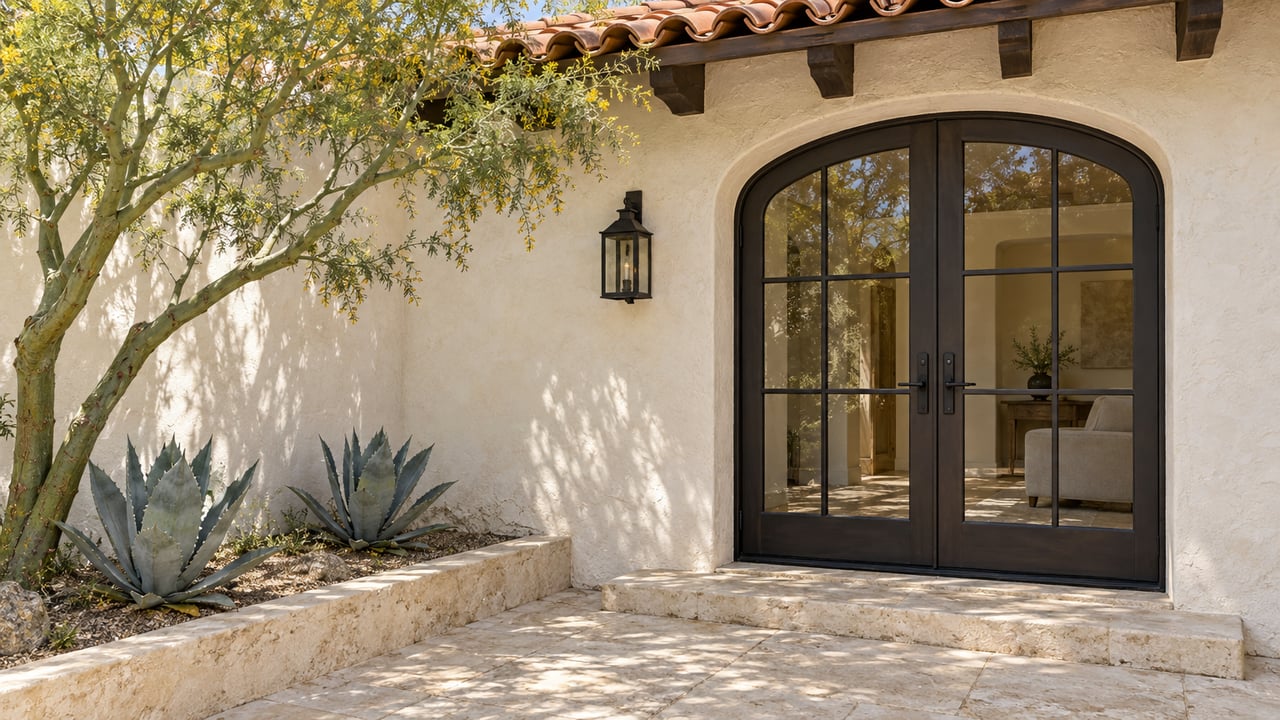
Arcadia spans an established Phoenix–Scottsdale corridor with mid‑century ranches, updated rebuilds, and larger irrigated lots that attract pool and outdoor living. Location and lot size can shift value quickly from Arcadia to Arcadia Lite and estate pockets.
As of January 2026, the neighborhood’s median sale price sits around $1.56 million, and the market is somewhat competitive. Desirable listings can see multiple offers, while others take longer to sell. The takeaway: fine‑tune your strategy to the sub‑area and property type.
What sellers value
Arcadia sellers often prioritize strength and certainty. Your goal is to make the decision easy without taking unnecessary risk.
- Certainty and speed. All‑cash or fully documented financing, tight but realistic timelines, and simple terms help you rise to the top.
- Clean contingencies. Short, well‑defined inspection, appraisal, and financing windows read stronger than blanket waivers. Arizona’s AAR forms and the BINSR process set standard timelines and steps that buyers and sellers follow. You should know them before you bid. Review the AAR inspection and BINSR flow.
- Flexible possession. A short, clearly written rent‑back can be a powerful edge when sellers need time to move.
- Clear documentation. Pre‑approval letters, lender contact info, and proof of funds reduce doubt and friction. For context on how lenders verify you, see this Consumer Financial Protection Bureau explainer.
Build a standout offer
Below is a practical playbook you can tailor to each property and seller.
Price with a CMA
Start with a targeted comparative market analysis that focuses on true Arcadia comps. Lot size, renovation level, and proximity to main corridors influence value and appraisal selection.
If you plan to reach above recent comps, decide in advance how you will handle a potential appraisal gap. Talk with your lender about limits and cash reserves before you write. For an overview of how appraisals and shortfalls are handled in practice, see this appraisal process guide.
Strengthen your financing
A standard pre‑qualification is not enough in close contests. Aim for a documented pre‑approval and, ideally, a conditional or underwriter‑reviewed approval. When a lender underwriter has already reviewed your file, sellers see less risk. Learn why a conditional approval matters with this quick explainer.
Coordinate timing with your lender so your offer timelines match loan milestones. This alignment shows professionalism and helps you close on schedule.
Show commitment with earnest money
In Arcadia, earnest‑money deposits commonly range from 1 to 3 percent, with higher tiers sometimes using larger signals of commitment. A bigger deposit can help, but only if your contingency protections and deadlines are clear. For local norms, see this overview of earnest money in Phoenix.
Navigate appraisal risk the smart way
Appraisal waivers are granted by lender systems on eligible files, not by contract language. You cannot force one in the offer. Read about recent program updates from Freddie Mac’s Loan Quality Advisor release.
If an appraisal is required, consider a capped appraisal‑gap clause to cover a set shortfall while keeping your appraisal contingency in place. Confirm with your lender that your approval supports the maximum price and any cash you commit. This appraisal guide explains common gap strategies.
Tighten, but protect, contingencies
Arizona’s AAR contract and the BINSR process give you a defined inspection period, often 7 to 10 days in common practice. Shortening to 5 days can strengthen your offer, but you must be prepared to schedule inspections quickly and respond by the deadline. See the Arizona buyer–seller process overview for timing basics.
Avoid waiving financing unless you are fully underwritten or paying cash. A conditional approval lets you shorten timelines with less risk.
Use smart pricing mechanics
In a multiple‑offer setting, an escalation clause can keep you competitive without revealing your ceiling up front. Always include a clear cap and require proof of a bona fide competing offer. For pros and cons, see this overview of escalation clauses.
Confirm with your lender that your pre‑approval supports the escalation cap. If your cap exceeds likely comps, plan for appraisal risk.
Know seller‑concession limits
If you request closing cost credits, make sure they fit your loan program’s rules. As a general guide, FHA often allows up to 6 percent, VA has a specific concessions cap (commonly cited as 4 percent for non‑closing‑cost items), and conventional caps vary by down payment. Check typical limits in this seller concessions explainer and confirm details with your lender.
Flex on timing and possession
A flexible closing date or a short, well‑documented rent‑back can be more valuable to a seller than a slightly higher price. If you offer a rent‑back, treat it as a formal agreement with daily rate, deposit, and insurance terms. Keep it simple, clear, and signed by all parties.
Your offer packet
Make your package easy to understand and verify. Submit these items together:
- One‑page cover sheet summarizing price, earnest‑money amount, and timelines.
- Pre‑approval letter, ideally showing conditional or underwriter‑reviewed status with your loan officer’s direct contact. See the CFPB’s note on how lenders verify credit and documents.
- Proof of funds for the down payment and any stated appraisal‑gap coverage.
- Executed AAR purchase contract with clear dates for inspection, financing, and close.
- If used, an escalation addendum and any appraisal‑gap language with a specific cap.
Risk management for Arcadia buyers
- Align early with your lender and agent. A conditional approval that backs your price, escalation cap, and appraisal‑gap cash is often the difference maker. Get everyone on the same page before you tour.
- Track deadlines precisely. Arizona’s AAR forms and BINSR set enforceable timelines. Missing them can affect your rights and earnest money. Get a system for reminders and responses. Review the AAR timeline overview here.
- Avoid blanket waivers. If you must assume risk to compete, do it with a clear cap and only after your lender signs off. Use strong documentation, not emotion, to win.
- Be fair‑housing aware. Many brokerages discourage personal buyer letters because they can invite consideration of protected characteristics. If you consider one, keep it neutral and property‑focused. Read this fair housing guidance.
Sample clause ideas
Use Arizona’s standard AAR forms and approved addenda wherever possible. Work with your agent to tailor any language below to your situation.
Escalation example: “Buyer offers $X and agrees to increase Buyer’s net offer by $Y above any bona fide competing offer, up to a maximum purchase price of $Z. Seller may require redacted evidence of the competing offer to trigger the escalation.” For background on escalation mechanics, see this overview.
Appraisal‑gap example: “If the appraisal is less than the purchase price, Buyer agrees to pay up to $N in cash toward the difference between the appraised value and the purchase price. Amounts above $N remain subject to the appraisal contingency.” Read more on appraisal gaps in this guide.
Short inspection window: “Buyer’s Inspection Period is 5 calendar days. Buyer will deliver BINSR on or before the deadline if Buyer seeks any repairs or credits.” See Arizona’s BINSR process overview.
Rent‑back basics: “Seller may occupy the Property after closing for up to X days at $P per day under a signed use‑and‑occupancy agreement. Seller will maintain insurance and indemnify Buyer during the occupancy period.”
Next steps
Arcadia rewards precision. When you pair a sharp CMA with underwriter‑reviewed financing, clear timelines, and thoughtful terms like a capped appraisal gap or short rent‑back, you give the seller what they want most: confidence. If you want a single point of contact who can align strategy, terms, and lending, connect with Denise McManus to build your winning Arcadia plan.
FAQs
How competitive are Arcadia home offers today?
- The market is somewhat competitive, with multiple offers on standout listings and longer times on others. Your strategy should match the sub‑area, lot size, and renovation level.
What financing letter makes the biggest impact in Arcadia?
- A conditional or underwriter‑reviewed approval is typically stronger than a basic pre‑approval because an underwriter has vetted your file. Sellers see less risk when that documentation is included.
Should I waive the appraisal on an Arcadia home?
- Only if you fully understand and can cover the risk. Consider a capped appraisal‑gap clause instead, and confirm with your lender that your approval and cash reserves support your maximum exposure.
How short should my inspection period be in Arizona?
- Many buyers use 7 to 10 days. Shortening to 5 days can strengthen your offer if you can schedule inspections quickly and meet the BINSR deadline set by the AAR contract.
Do escalation clauses work in Arcadia’s market?
- Yes, when written with a clear cap and proof requirement. Coordinate with your lender to ensure your financing supports the highest potential price under the clause.