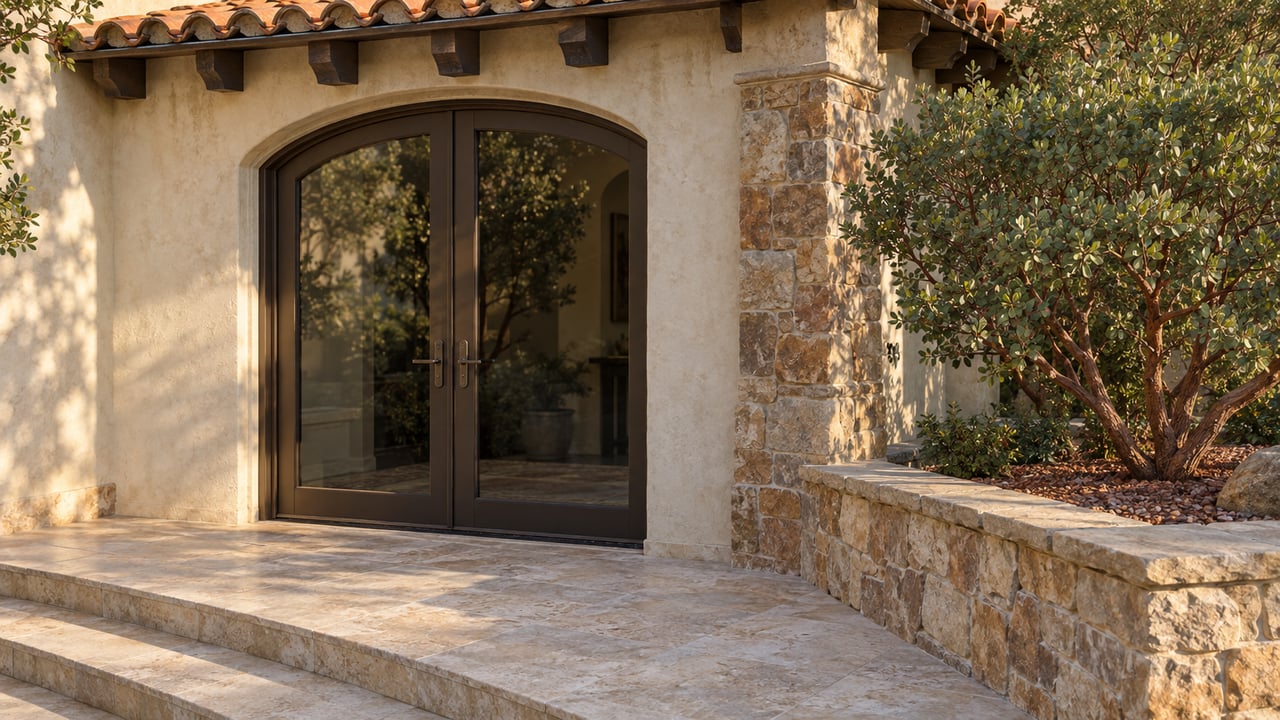
How to Price a Scottsdale Luxury Home When Buyers Have More Choices
Scottsdale Luxury Home Pricing Strategies for Sellers

When buyers have more homes to choose from, pricing becomes one of the most important decisions a Scottsdale luxury seller can make. A property may have beautiful architecture, premium finishes, mountain views, and an exceptional outdoor living space, but those features do not automatically guarantee that buyers will accept its asking price.
Today's luxury buyers have become more selective. When several comparable properties are available, they can take their time evaluating locations, comparing features, reviewing recent sales, and deciding which homes offer the strongest overall value. A property that is priced too aggressively may struggle to attract serious attention, even when it has qualities that make it stand out.
For sellers, this does not mean competing by offering the lowest price. It means understanding how buyers evaluate value, how competing listings influence expectations, and how to position a home within the current Scottsdale luxury real estate market.
A successful pricing strategy considers more than the home's original purchase price or the seller's preferred return. It accounts for recent comparable sales, active competition, property condition, location, buyer demand, and the features that make the home different.
The goal is to establish a price that reflects the property's strengths while giving qualified buyers a compelling reason to consider it.
Understand the Competition Before Setting the Price
One of the first steps in pricing a Scottsdale luxury home is understanding what buyers are comparing it against.
When inventory increases, buyers are no longer evaluating a property in isolation. They may be touring several homes in the same neighborhood, comparing similar floor plans, or considering properties in nearby communities that offer different amenities and price points.
This makes competitive market analysis especially important.
A useful pricing review should include three categories of properties:
Recently sold homes
Closed sales provide evidence of what buyers have actually been willing to pay. These properties help establish a realistic pricing range, particularly when they share similar characteristics with the home being listed.
Currently active listings
Active listings represent the seller's competition. They show what buyers can consider right now, including homes with similar square footage, bedroom counts, lot sizes, and amenities.
However, an active listing's asking price does not prove that the property is worth that amount. It simply reflects what another seller hopes to receive.
Pending properties
Pending listings can provide useful insight into recent buyer activity. Although the final sale price may not yet be public, these properties can help indicate which homes are attracting interest and moving toward a transaction.
The strongest analysis considers all three groups rather than relying on one attractive comparable sale.
For example, a luxury home may have sold at a premium several months ago, but the current market could offer buyers more alternatives. If competing properties have newer finishes, better views, or more desirable locations, the seller may need to account for those differences when establishing an asking price.
Look Beyond Square Footage and Price Per Square Foot
Price per square foot is a familiar real estate comparison, but it can be misleading when evaluating luxury properties.
Two Scottsdale homes with similar interior sizes may have very different market values because of their lots, architectural quality, views, privacy, construction, and overall condition.
A home with a smaller floor plan may command a stronger price if it sits on an exceptional lot with unobstructed mountain views. Another property may offer more square footage but have an outdated layout or limited outdoor space.
Luxury buyers often evaluate the complete experience a property provides.
When reviewing a home's value, consider:
Location: Is the property in a highly desirable neighborhood or community?
Lot characteristics: Does it offer usable outdoor space, privacy, elevation, or desirable views?
Architecture: Does the design have distinctive character and lasting appeal?
Construction quality: Are the materials, workmanship, and major systems in good condition?
Interior finishes: Are the kitchen, bathrooms, flooring, and fixtures consistent with buyer expectations?
Outdoor living: Does the property offer functional patios, pools, landscaping, and entertaining areas?
Amenities: Are there features that meaningfully improve the ownership experience?
These details help explain why one luxury home may deserve a higher price than another, even when their basic measurements appear similar.
The asking price should reflect the qualities buyers are likely to recognize and value, not simply the property's size.
Evaluate the Home Through a Buyer's Perspective
Sellers naturally have personal connections to their homes. They remember the renovations, the years of maintenance, the gatherings, and the money invested in improvements.
Buyers, however, approach the property differently.
They are comparing the home with other available options and asking whether its price makes sense relative to what else they could purchase.
A seller may consider a custom entertainment room a major selling point. A buyer may prefer a larger kitchen or a more functional home office. A seller may value an elaborate landscaping project, while a buyer may focus on the maintenance required to keep it looking that way.
This difference in perspective is important when setting a price.
Before listing, sellers should consider:
Which features are most likely to attract their target buyers?
Are the home's finishes consistent with competing properties?
Are there visible maintenance concerns that could affect perceived value?
Does the layout support the way luxury buyers want to live?
Are there improvements that genuinely differentiate the property?
Are there features that may be less appealing to the broader buyer pool?
This does not mean removing every personalized feature or renovating the entire home before selling. It means understanding how the property may be perceived by someone who has no emotional connection to it.
A realistic buyer perspective can help sellers avoid pricing decisions based on personal attachment rather than market evidence.
Do Not Assume Every Upgrade Adds Equal Value
Luxury homeowners often invest significantly in their properties. However, the cost of an improvement does not automatically translate into an equivalent increase in resale value.
A renovated kitchen, updated bathrooms, new flooring, and improved outdoor living spaces may strengthen a home's appeal. But the actual contribution to market value depends on the quality of the work, buyer preferences, neighborhood expectations, and competing properties.
Some upgrades may help a home compete more effectively without necessarily justifying a major price premium.
For example, replacing outdated lighting or refreshing interior paint may make a property more appealing, but those improvements should not be treated as dollar-for-dollar additions to the asking price.
Other features may carry greater importance depending on the property. A premium lot, exceptional mountain views, a well-designed guest casita, or a high-quality renovation may help distinguish a home from competing listings.
Sellers should separate three things:
Cost of improvement: What the homeowner originally paid for the upgrade.
Buyer appeal: How much the improvement matters to the likely buyer.
Market contribution: Whether comparable sales suggest that the feature supports a higher selling price.
This distinction helps prevent overpricing based on renovation expenses that the market may not fully recognize.
Position the Price Within the Right Buyer Range
Pricing is not only about determining what a home is worth. It is also about making sure the property reaches the buyers most likely to consider it.
Luxury buyers often search within specific budget ranges. A home priced just above a common search threshold may miss some potential buyers who have established a firm maximum.
For example, a buyer searching for properties up to a certain price may never see a home listed slightly above that limit, even if the difference is relatively small.
This makes the asking price and its position within the competitive market important.
Sellers should consider:
The price ranges in which similar homes are competing.
Whether the property is positioned above or below its closest alternatives.
The likely financial profile of the target buyer.
Whether the asking price reflects the property's strongest selling points.
How many comparable homes are currently available.
A pricing strategy should not rely on arbitrary price reductions just to appear in a particular search category. The number should still be supported by market evidence.
The objective is to position the home where qualified buyers can recognize its value and feel motivated to schedule a showing.
Pay Attention to Days on Market and Buyer Feedback
The first few weeks after a luxury home enters the market can provide valuable information.
A new listing often receives its strongest initial exposure when buyers, agents, and people monitoring the neighborhood become aware of its availability. If the property generates limited interest despite appropriate marketing, sellers should take a closer look at its positioning.
Days on market can help reveal how buyers are responding, although it should never be interpreted without context.
A property may take longer to sell because it has a highly specific buyer profile, an unusual layout, or limited comparable properties. Another home may remain available because its price is not competitive.
Sellers should monitor several indicators:
Showing activity
Are qualified buyers scheduling appointments? If interest is limited, the price, presentation, or marketing strategy may need review.
Buyer comments
Are visitors consistently mentioning the same concerns about condition, layout, finishes, or price?
Online engagement
Are buyers viewing the listing, saving it, or requesting additional information? Online activity can provide context, although it does not guarantee purchase intent.
Competing listing activity
Are similar properties receiving offers, reducing prices, or going pending? These changes may influence how buyers view the seller's home.
Market time
Is the property taking longer to attract serious interest than comparable homes?
Feedback should be evaluated objectively. One buyer's opinion does not determine market value, but repeated patterns may reveal something worth addressing.
A seller who responds thoughtfully to market feedback has a better opportunity to adjust the strategy before the listing becomes stale.
Understand Why Overpricing Can Cost Sellers More
Some sellers choose a higher initial asking price because they believe there is room for negotiation. Others want to test the market before committing to a more competitive number.
Although this approach may seem harmless, overpricing can create challenges.
When a home enters the market above what buyers consider reasonable, it may receive fewer showings and less serious attention. Buyers who have already compared similar properties may decide not to visit at all.
Over time, the listing can accumulate days on the market. If the seller eventually makes a substantial price reduction, buyers may wonder why the property has not sold or assume that something is wrong.
The result can be a weaker negotiating position than the seller initially expected.
Overpricing may lead to:
Fewer qualified showings.
Reduced urgency among interested buyers.
More time spent competing with newer listings.
Multiple price adjustments.
Greater difficulty maintaining buyer confidence.
Increased carrying costs while the property remains unsold.
This is especially relevant for luxury homes because the buyer pool can be more specialized. A property may need to reach a relatively specific group of buyers who value its location, design, or unique features.
The initial price should create a strong market position rather than rely on the hope that the perfect buyer will eventually overlook a significant pricing gap.
Use Presentation to Support the Asking Price
Pricing and presentation should work together.
Even a well-priced luxury home can struggle if its condition, photography, staging, or listing description fails to communicate its value. Buyers should be able to understand what makes the property distinctive before they schedule a showing.
Presentation is particularly important in Scottsdale, where outdoor living, architecture, views, and lifestyle features can influence a buyer's decision.
Before listing, sellers should review the property from the perspective of someone seeing it for the first time.
Consider the following:
Professional photography
High-quality photography should capture the home's best features, including architectural details, natural light, outdoor spaces, and views. Images should accurately represent the property.
Thoughtful staging
Staging can help buyers understand the scale and purpose of rooms. It should complement the home's architecture and avoid distracting from its strongest features.
Outdoor preparation
Pools, patios, landscaping, and entertaining areas should be clean and well maintained. Outdoor spaces are often an important part of the Scottsdale lifestyle.
Listing description
The property description should communicate meaningful details rather than rely on generic luxury language. Buyers should understand what makes the home different, from its lot and location to its design and amenities.
Maintenance and repairs
Visible issues can weaken the perception of value. Addressing reasonable maintenance concerns before listing can help support the asking price.
Strong presentation cannot compensate for an unrealistic price, but it can help buyers understand why a property deserves serious consideration.
Know When to Adjust the Price
A pricing strategy should be established before the property goes live, but it should not be treated as permanent regardless of market response.
If a home is receiving limited interest, sellers should review the original assumptions and determine whether the market is providing new information.
A price adjustment may be appropriate when:
Comparable homes have sold for less than expected.
Competing listings offer stronger value.
The property has received consistent feedback about its price.
Showing activity remains limited despite effective marketing.
Market conditions have shifted since the original price was established.
The home has been available longer than comparable properties without meaningful progress.
However, not every slow listing needs an immediate reduction. Sellers should first determine whether the issue is related to pricing, presentation, accessibility, property condition, or marketing reach.
If the price is the problem, a meaningful adjustment based on current market evidence may be more effective than several small reductions.
The purpose of a price adjustment is not simply to attract attention. It is to reposition the property so that its asking price better reflects what buyers are likely to consider reasonable.
Build a Pricing Strategy Around the Home's Strongest Advantages
Not all luxury homes compete in the same way. A custom estate with panoramic mountain views should not automatically be priced like a standard property in the same ZIP code. Likewise, a renovated home in an established neighborhood should be evaluated against properties with comparable condition and features.
The strongest pricing strategy identifies what makes the home distinctive and determines how much those characteristics matter in the current market.
For a Scottsdale luxury property, that may include:
A premium location within a sought-after community.
Unobstructed mountain or desert views.
An exceptional lot with privacy and usable outdoor space.
High-quality architecture and construction.
A recently completed, well-executed renovation.
Guest accommodations or flexible living spaces.
A thoughtfully designed outdoor entertaining area.
Access to desirable community or club amenities.
These advantages should be supported by relevant market evidence whenever possible.
Sellers should also understand which features are less likely to influence the final sale price. Highly personalized upgrades, expensive decorative elements, or amenities with limited buyer appeal may not justify the premium a homeowner expects.
The goal is to communicate a clear reason for the asking price. When buyers understand what makes the property different and see that its price is supported by the market, they have a stronger basis for considering it.
The Right Price Creates Opportunity, Not Just Attention
In a market where buyers have more choices, pricing a Scottsdale luxury home requires a balance of confidence and realism.
Sellers should not underestimate their property's value, but they should also avoid assuming that its original purchase price, renovation expenses, or personal significance determine what today's buyers will pay.
A strong strategy begins with accurate comparable sales, a clear understanding of current competition, and an honest assessment of the property's condition and features. It also considers buyer search behavior, market feedback, and the way the home is presented.
The right asking price does more than place a number on the listing. It establishes the property's position in the market, shapes buyer expectations, and influences the quality of interest it receives.
When pricing and presentation work together, a Scottsdale luxury home has a stronger opportunity to stand out for the right reasons and attract buyers who recognize its value.
Pricing a luxury home requires more than looking at recent sales or choosing a number based on personal expectations. It takes an understanding of the property's unique advantages, the competition, and what qualified buyers are actually responding to in the Scottsdale market.
For sellers preparing to bring a property to market, Scottsdale Real Estate Agent Denise McManus combines luxury real estate knowledge with structured finance experience to help clients evaluate their options and approach pricing with a thoughtful, market-informed strategy.
Q&A:
Q: How should I price my luxury home in Scottsdale?
A: Start with recent comparable sales, current competing listings, pending properties, and an evaluation of the home's location, condition, lot, and distinctive features.
Q: Should I price my Scottsdale luxury home higher to leave room for negotiation?
A: Not necessarily. An asking price that is too high may discourage qualified buyers from scheduling a showing. A competitive price can create stronger initial interest and a better negotiating position.
Q: Do renovations always increase a luxury home's asking price?
A: No. Renovations can improve market appeal, but their contribution to value depends on quality, buyer preferences, comparable sales, and the cost of the improvements.
Q: How do active listings affect my home's price?
A: Active listings show buyers what alternatives are available. Sellers should compare their property's features, condition, and price against those competing options.
Q: What does it mean if my luxury home has been on the market for a long time?
A: Extended market time may indicate a pricing, presentation, condition, or marketing issue. Sellers should review buyer feedback and comparable listing activity before deciding what to change.
Q: Should I reduce my price if my Scottsdale home is not receiving showings?
A: A price adjustment may be appropriate, but sellers should first determine whether the lack of interest is caused by pricing, presentation, accessibility, or other factors.
Q: Is price per square foot reliable for luxury homes?
A: It can provide useful context, but it should not be used alone. Lot quality, views, privacy, architecture, construction, and amenities can create substantial differences between properties with similar square footage.