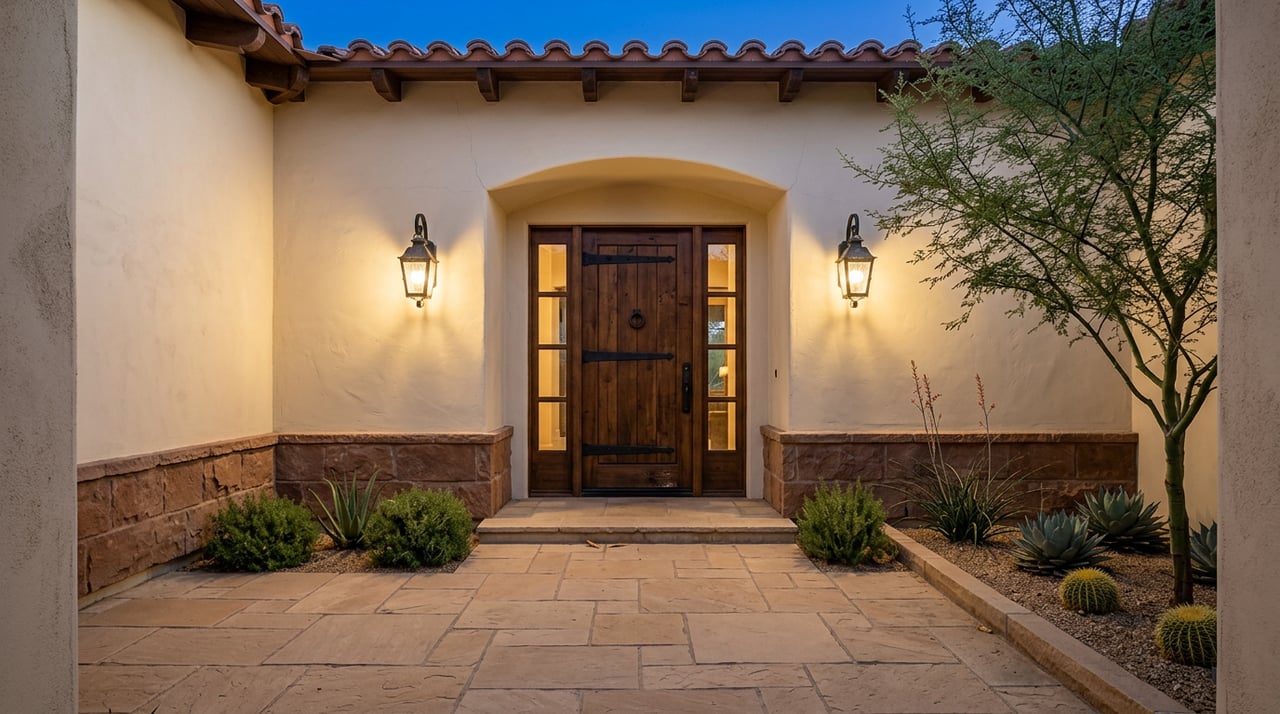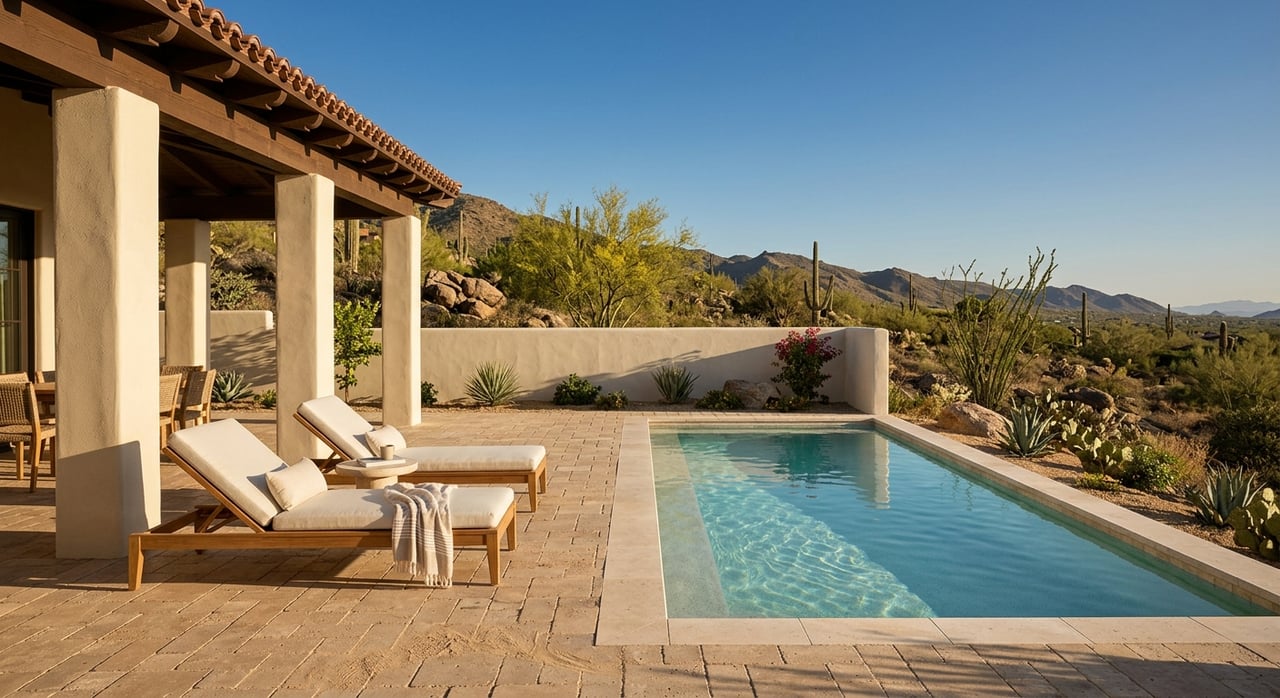
Imagine sipping your morning coffee as Four Peaks glows pink or watching the famous Fountain crest skyward from your patio. In Fountain Hills, a view is not just a backdrop, it shapes your daily rhythm, comfort and long-term resale potential. If you are drawn to hillside living, this guide shows you how elevation, orientation and smart design choices work together to make a view home both beautiful and practical. Let’s dive in.
Why Fountain Hills views stand out
Fountain Hills rises above much of the Valley, with the town listing about 1,520 feet at the fountain and higher elevations that reach roughly 3,000 feet near Golden Eagle. That topography creates hillside streets, layered neighborhoods and long sightlines that many buyers love. Views often frame the McDowell Mountains, Four Peaks and sweeping Valley of the Sun panoramas.
Access to nearby protected lands also matters. The town is adjacent to the McDowell Sonoran Preserve and close to McDowell Mountain Regional Park, where elevated trail viewpoints show the kind of vistas buyers prize. Proximity to protected open space can make a view more durable over time because those lands are less likely to be developed. Explore the preserve context on the City of Scottsdale’s site at the McDowell Sonoran Preserve page: City of Scottsdale Preserve. For a town overview and elevation context, see About Fountain Hills.
What “view” means block by block
Crest and upper‑ridge lots
Crest or upper‑ridge homes often deliver the longest panoramas and the most sky. You may also feel more wind and exposure, so plan for sturdy outdoor furnishings and thoughtful wind breaks. Privacy can be excellent because there are fewer rooflines above you. If sightlines matter, verify what can be built on nearby parcels before you buy.
Mid‑slope lots
Mid‑slope homes tend to balance view with everyday livability. You are elevated above the street for privacy yet protected from some wind. Pay attention to the rooflines in front of you and how a neighbor’s future tree growth or a second-story addition could change your view.
Lower and valley lots
Lower lots can feel more intimate and shaded, which helps in hot months. You might trade away some long-range horizon for near‑field desert washes or green space. If your goal is to capture a specific mountain silhouette, stand in the main living areas and patios, then confirm the angle with a simple map sketch.
When you want to be sure a view will last, planners use line‑of‑sight modeling called “viewshed” analysis. Even a basic aerial screenshot with arrows can help you and your appraiser document what you see. For the concept behind this, review ESRI’s overview of viewshed and line‑of‑sight tools.
Sun, orientation and daily comfort
East vs. west facing rooms
In Arizona, orientation is not just a preference, it shapes comfort and energy use. East‑facing rooms capture cooler morning light, great for breakfast patios. West‑facing glazing gets intense, low‑angle sun in late afternoon, which can raise cooling loads in summer. ENERGY STAR recommends low solar heat gain coefficient (SHGC) windows for east and west exposures in warm climates, plus strategic shading like awnings or screens. Get the national guidance at ENERGY STAR window performance.
Outdoor living upgrades that work
Thoughtful shade keeps outdoor rooms usable for more months of the year. Consider deep overhangs or pergolas, retractable screens, and well‑placed shade trees that protect west walls and patios. Light‑colored hardscape can reduce surface heat. Because this is the Sonoran Desert, pair your design with water‑wise plant choices and drip irrigation. The town’s resources can help you plan and maintain smart landscaping: Fountain Hills Water Conservation.
If your view includes the Fountain
The town’s signature fountain is a dramatic visual anchor. Under ideal conditions, three pumps can produce a plume up to about 560 feet. Public operation commonly uses two pumps on a regular hourly schedule, and operation can be limited during high winds or maintenance. The town also offers private, paid operation for special events, which is listed in the comprehensive fee schedule. For operating details, see this technical overview: Fountain mechanics and operation, and review the Town fee schedule for private‑use information.
Views and resale value
View quality often commands a premium at resale, but the size of that premium varies by the type of view and its scarcity. Academic studies using hedonic pricing consistently find positive value for scenic views, with the largest premiums often tied to water and broad waterfront exposure. Mountain and open‑space views also show positive effects, but with a wide range of outcomes depending on the market and how view quality is measured. For a concise research summary, see Pricing Residential Amenities: The Value of a View.
Local market snapshots show that overall pricing in Fountain Hills sits in the high‑$600Ks as of early 2026, and price per square foot can swing based on view quality, lot position and neighborhood. The only reliable way to estimate your view premium is to study recent closed sales where listings or appraisals documented fountain, mountain or panoramic views.
What can reduce a view’s value over time
The biggest risks include tree growth on adjacent lots, new construction that interrupts a sightline, and zoning or hillside rule changes that allow taller or denser building. Fountain Hills has considered hillside and disturbance rules over the years, so it pays to review recent council actions and recorded CC&Rs for neighboring parcels. See a representative council record here: Town Council minutes on hillside matters.
Buyer and seller checklist
Use this quick list to evaluate a view home and to present one well when you sell:
- Visit twice: sunrise and late afternoon. Note both the view and any west‑side heat or glare. For window and shading choices, consult ENERGY STAR performance guidance.
- Photograph from primary rooms and patios. Mark compass bearings and notable landmarks. Create a simple viewshed sketch or aerial screenshot showing adjacent lots and your sightlines. For the concept, see viewshed tools.
- Confirm permanence. Are adjacent parcels open space or parkland? Are there recorded building envelopes, conservation easements or CC&Rs that limit future height? Town codes and recorded plats are your references.
- Run targeted comps. Ask for closed sales where “mountain,” “fountain,” or “panoramic” views were documented so you can adjust for view explicitly rather than relying on medians.
- Invest in comfort upgrades. Low‑SHGC windows, well‑sized overhangs, privacy screening with xeric trees and light hardscape all translate to daily usability and stronger listing photos. Reference ENERGY STAR window guidance.
- If you see the Fountain, document it. Note the typical operation pattern and that wind or maintenance can pause runs. For context, link to fountain operation details in your digital brochure and reference the Town fee schedule if private operation is relevant.
Financing and strategy for rare views
Well‑positioned view homes can draw strong competition. If you need financing, getting fully underwritten early can make your offer more compelling and shorten timelines. Jumbo, portfolio or self‑employed solutions, along with investor‑friendly DSCR options, may give you the speed or flexibility to win without overbidding.
Working with an advisor who pairs local market expertise with lending know‑how can reduce handoffs and keep the deal moving. You get clear comps on the view premium, sharper inspection focus on orientation and outdoor livability, and a plan for upgrades that enhance both comfort and resale.
Ready to see the view for yourself?
If a Fountain Hills panorama is on your list, let’s match the right elevation, orientation and upgrades to your lifestyle and budget. For a private tour plan, a view‑focused comp study and financing options that keep you competitive, connect with Denise McManus. Get your instant home valuation and a strategy built around your goals.
FAQs
Will a west‑facing living room overheat in Fountain Hills summers?
- West exposures get intense late‑day sun, so combine low‑SHGC windows with shading like overhangs or screens, as recommended in ENERGY STAR window guidance.
Is a fountain view guaranteed year‑round in Fountain Hills?
- The Fountain is a permanent municipal feature, but daily operation can pause for wind or maintenance and typical displays follow an hourly schedule; see operating specifics in this fountain mechanics overview.
How much more do Fountain Hills view homes cost?
- View premiums vary widely by view type, angle and permanence; use a targeted comp analysis of recent sales that documented mountain, fountain or panoramic views and see the research summary on pricing views here: The Value of a View.
How can I tell if my view will last?
- Check adjacent parcel status, recorded building envelopes and CC&Rs, and ask about recent council or permit actions; a simple viewshed sketch helps document sightlines, and you can reference viewshed tools to understand the concept.
What outdoor upgrades make a view usable in summer?
- Combine deep shade structures, retractable screens, low‑SHGC glazing and xeric shade trees with drip irrigation; for water‑wise planning see Fountain Hills Water Conservation and for glazing choices see ENERGY STAR window performance.