Thinking about paying a premium for a golf-course view in North Scottsdale Estates, or wondering if an interior lot might be the smarter buy? You are not alone. Buyers and sellers in this pocket of Maricopa County ask this question every season because the answer can change with market conditions and the specific lot. In this guide, you will learn what truly drives value, what can reduce a golf premium, and a simple, local process to measure the difference so you can price or purchase with confidence. Let’s dive in.
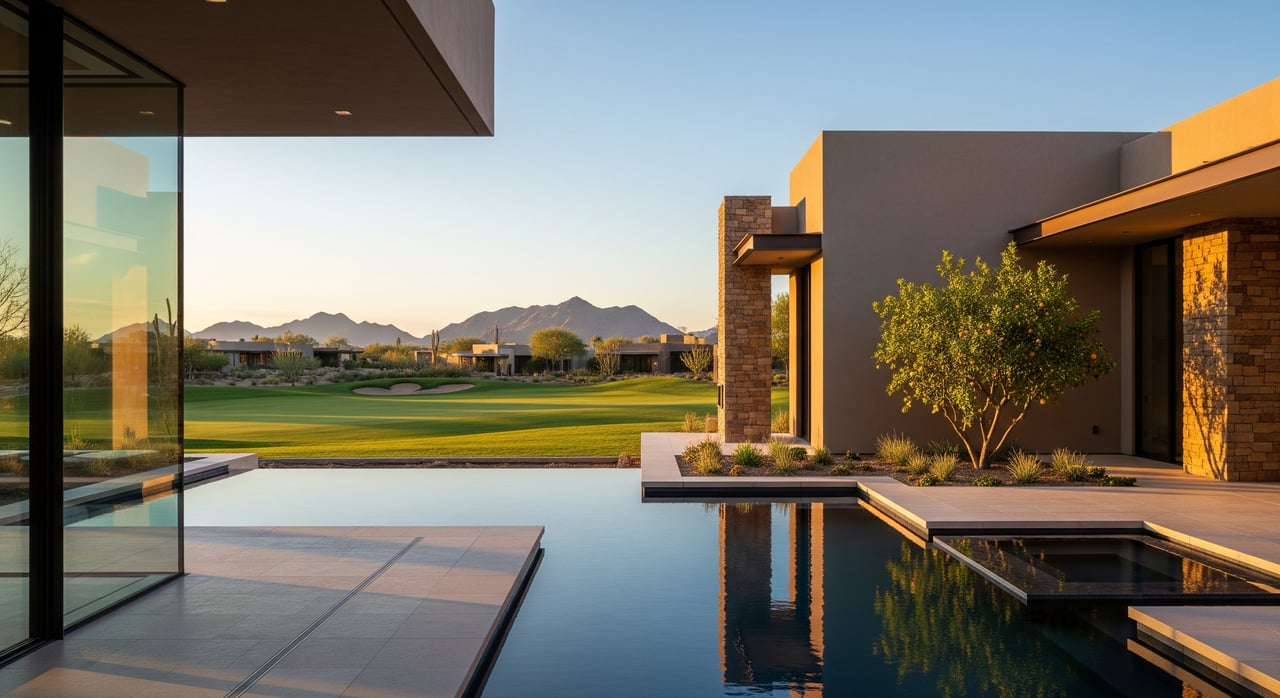
Golf-course lots: where value comes from
Golf-facing lots often command attention for a few clear reasons:
- Views and open space. A fairway or green view offers a maintained, uninterrupted outlook that many buyers prize.
- Scarcity and prestige. Course-frontage lots are limited, which can increase demand and perceived status.
- Lifestyle convenience. Easy access to the course, clubhouse and social activities can be a strong draw for golfers and luxury buyers.
These benefits tend to be strongest when the course is well maintained, the view corridor is wide, and the home’s outdoor spaces frame the scenery.
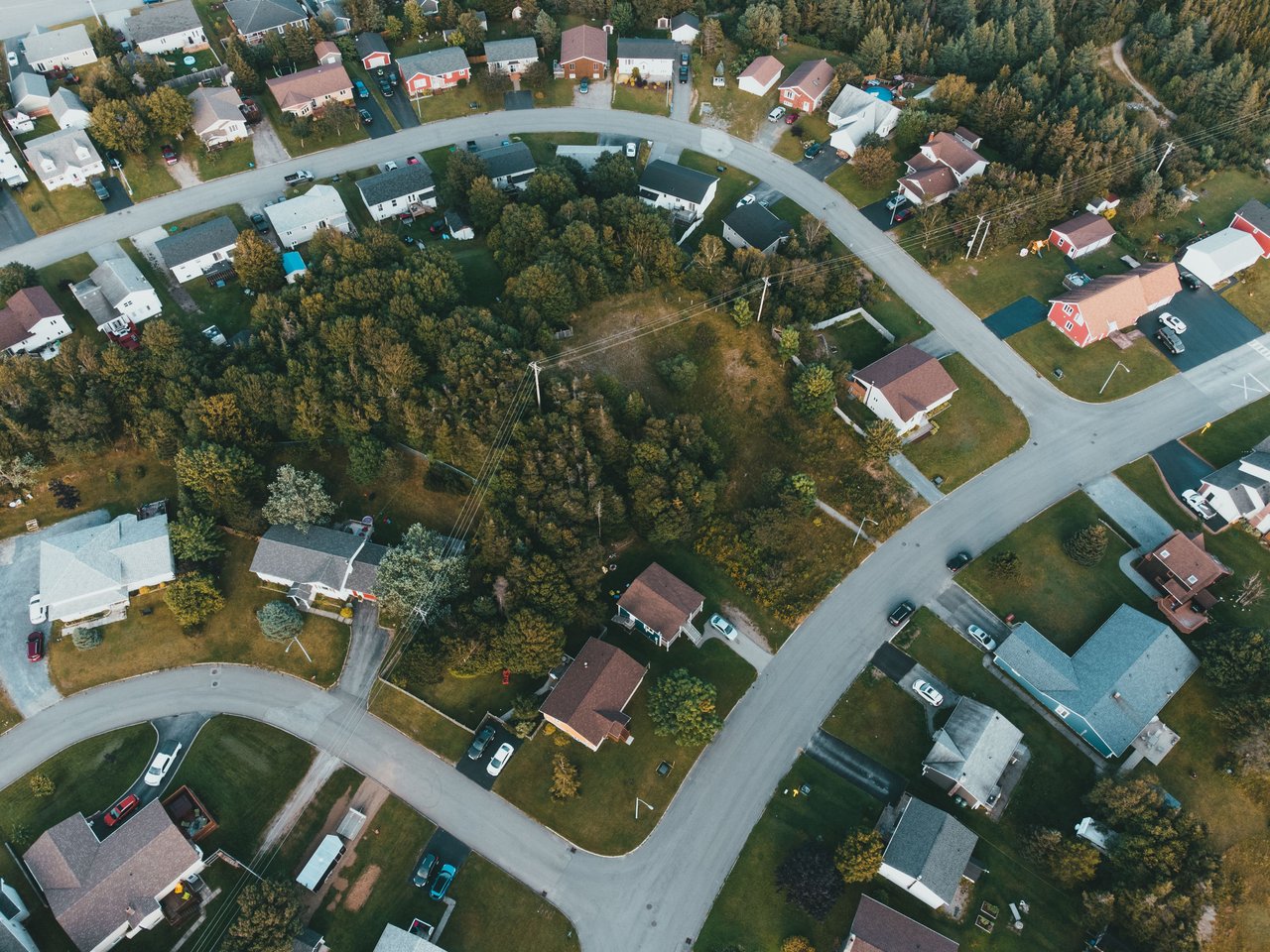
Interior lots: why many buyers prefer them
Interior lots can be just as compelling for different reasons:
- Privacy and quiet. You may avoid early-morning maintenance noise and onlookers near your yard.
- Flexible outdoor design. Pool, patio and landscaping choices may be easier without a public-facing backdrop.
- Lot shapes and usability. Some interior parcels offer layouts that better accommodate additions or guest spaces.
If you value privacy, a quiet morning, and more control over your backyard experience, an interior lot can be the better fit.
When the golf premium shrinks
A golf view does not guarantee a higher sale price. These factors can reduce or even erase a premium:
- Maintenance noise and schedules. Early mowers, tournament prep and events can be a nuisance for some buyers.
- Stray balls and safety. Hole layout and setback distances matter. Some locations see more errant shots than others.
- Chemicals and odor. Pesticide or fertilizer use can deter buyers who garden or are sensitive to chemical drift.
- Membership costs. Mandatory club fees or high initiation costs can limit the buyer pool and impact demand.
- Course type and access. Private, well-kept clubs often support stronger premiums than busy public facilities.
- Course viability. Course closures or redevelopment risk can weigh on values. Ownership stability and local plans matter.
- Easements and restrictions. Recorded maintenance or access easements can affect how you use your yard.
- Water and environmental issues. In Arizona, water sourcing and regulations can influence long-term operations and sentiment.
How to measure the premium locally
The most reliable way to estimate a golf premium in North Scottsdale Estates is to analyze recent local sales and isolate the effect of adjacency.
Define your lot types
Start by labeling each sale as a “golf-course lot” or an “interior lot.” Use parcel maps, listing remarks and photos to confirm true adjacency and view orientation. MLS flags can be wrong, so double-check.
Build paired comps
Pair similar homes where the major difference is the lot’s relationship to the course. Match for size, age, condition, pool, upgrades and lot size. The price difference across 3 to 5 strong pairs will tell you more than any rule of thumb.
Compare market velocity
Check days on market, list-to-sale price ratio and time to contract for each group. Faster absorption or stronger list-to-sale ratios on one lot type signal higher demand and support an adjustment.
Reconcile price per square foot
Look at price per square foot and total sale price together. Outdoor living and high-end hardscaping can skew PPSF. Always reconcile with lot size, view quality and overall condition.
Use cautious context
Academic and industry studies often find premiums in the single-digit to low-teen range. A working range of about 3 to 15 percent appears in many markets, but it is not a substitute for local analysis. Your paired sales in North Scottsdale Estates should drive any adjustment you use.
Validate with records
Confirm HOA rules and CC&Rs for setbacks, fencing and landscaping limits. Review assessor and recorder documents for taxes, special districts and recorded easements. Check flood maps to rule out hazard issues that could confound pricing.
Ownership costs that affect net value
- HOA vs club fees. Distinguish routine HOA assessments from private club dues. Verify whether memberships are optional, mandatory or transferable.
- Property taxes and assessments. Review tax history and any special districts that might affect carrying costs.
- Insurance and liability. Ask insurers about coverage for golf-related damage and any exclusions.
- Landscaping and maintenance obligations. Some CC&Rs limit fencing or plant height along the course.
- Water and utilities. Understand irrigation practices near the property and any implications for use or perception.
- Title and easements. Identify any golf, maintenance or access easements that affect yard use.
What to verify in North Scottsdale Estates
Use this quick local checklist before you price or write an offer:
- Identify the exact course that borders the neighborhood and confirm it is active.
- Pull 12 to 24 months of closed sales and tag each as golf-facing or interior.
- Compute medians for price and price per square foot, plus days on market and list-to-sale ratio for both groups.
- Review HOA CC&Rs for membership rules, setbacks, landscaping and view fencing.
- Check Maricopa County Assessor and Recorder records for taxes, easements and special districts.
- Review FEMA and county flood data for parcel-level risk.
- Scan local news and planning records for any course ownership or redevelopment signals.
Buyer checklist
- Walk the lot at different times of day to gauge noise, traffic and maintenance.
- Stand in potential backyard and patio locations to confirm the true view corridor.
- Review HOA documents for landscaping, fencing and height restrictions.
- Ask an insurance professional about coverage and premiums for golf-adjacent risks.
- Order title work early to surface any recorded easements.
- Verify membership requirements, initiation fees and transfer rules if a private club is involved.
Seller strategy to price and market
- Define your lot type and view quality clearly in your listing narrative and visuals.
- Build a paired-sales set to support your price, not just a general PPSF number.
- Disclose easements, fees and any restrictions to reduce surprises later.
- Highlight outdoor living, privacy glazing and ball-mitigation features where applicable.
- Consider minor improvements that frame the view and simplify yard maintenance.
- Price within a data-backed range and watch early showings for demand cues.
Financing and timing tips
If you are buying, creative financing can improve your position on either lot type. Jumbo or portfolio options can help you act quickly on a rare golf-front property, while rate strategies can preserve flexibility if you decide an interior lot delivers better value. If you are selling, a well-prepared buyer with strong financing often closes faster and with fewer concessions, which can effectively preserve your net.
Ready to compare your options in North Scottsdale Estates or get a data-backed opinion on value? Connect with Denise McManus for a paired-sales analysis and boutique marketing plan, or get your instant home valuation.
FAQs
Do golf-course views always increase value in North Scottsdale Estates?
- Not always, because demand depends on recent local comps, course condition, nuisance factors and fees, so use paired sales to confirm any premium.
How much more do golf-facing homes sell for here?
- There is no fixed number locally; many markets show 3 to 15 percent premiums, but rely on recent paired sales in North Scottsdale Estates.
Are golf-facing homes riskier or costlier to insure?
- It depends on the hole layout and setbacks; speak with your insurer and review recorded easements for potential exposures.
Could the neighboring course close or be redeveloped?
- It is possible in any market; monitor ownership records, local news and planning activity for signs that could influence value.
Do golf-facing homes sell faster than interior lots?
- Sometimes; compare days on market and list-to-sale ratios for each group in recent neighborhood sales to see current trends.
Are club memberships mandatory if I buy along the course?
- Rules vary by community and club; check HOA and club documents for membership requirements, initiation fees and transferability.