Scottsdale Homes With Mountain Views: What Buyers Should Evaluate
Buying Scottsdale Homes With Mountain Views: A Guide
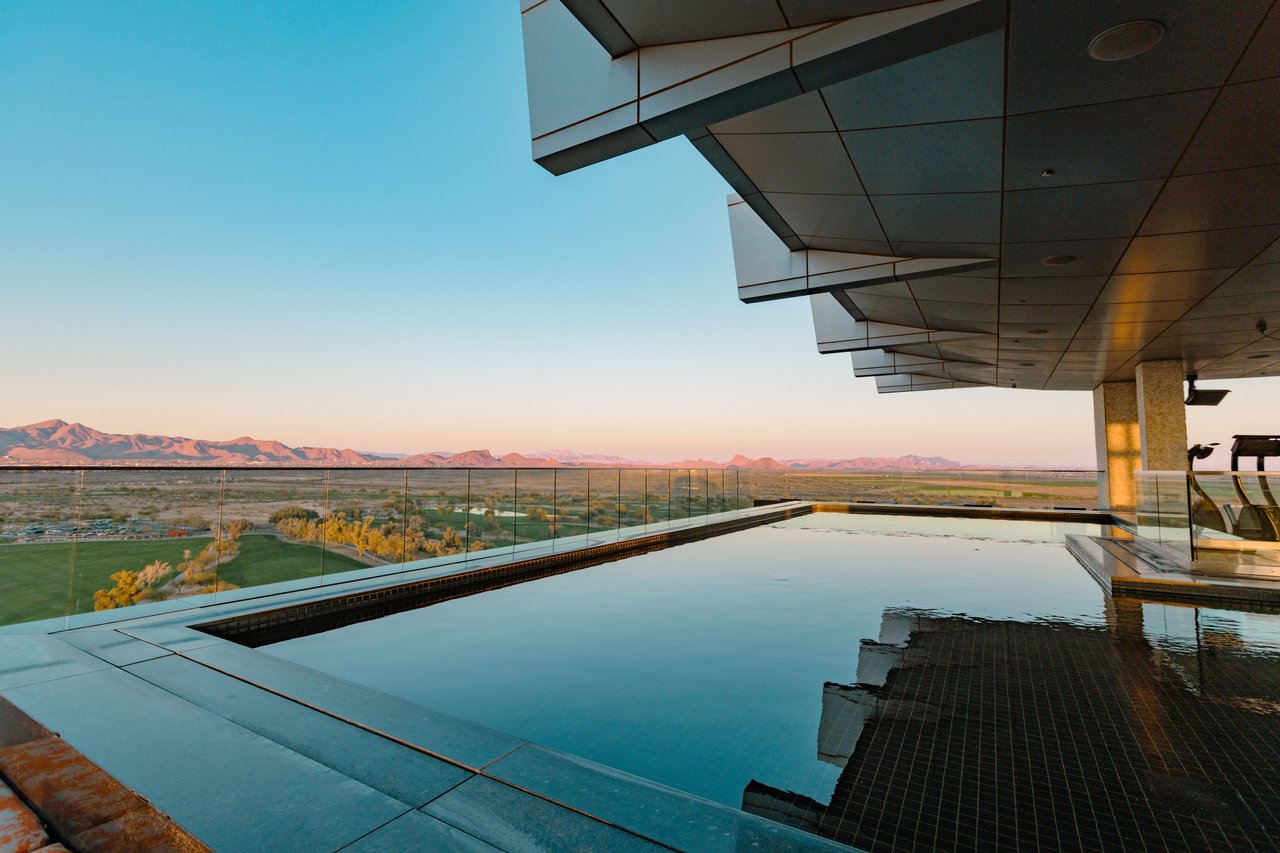
For buyers exploring Scottsdale luxury real estate, mountain views can also be an important consideration when comparing properties. Two homes with similar square footage, finishes, and amenities may offer very different experiences depending on their elevation, orientation, surrounding development, and access to open space.
However, purchasing a property with a beautiful view requires more than admiring the scenery during a showing. Buyers should understand whether the view is likely to remain unobstructed, how the property is positioned, what maintenance responsibilities come with the location, and whether the asking price reflects the home's actual advantages.
A mountain view can be a meaningful lifestyle feature and may contribute to a property's market appeal. The key is knowing what to evaluate before making a purchase. Understanding these details helps Scottsdale homebuyers make informed decisions and choose a property that offers both the setting and the long-term value they want.
Understand Which Mountain Views Matter to You
Scottsdale offers several distinctive desert and mountain settings. Depending on the property's location, buyers may enjoy views of the McDowell Mountains, Pinnacle Peak, Camelback Mountain, or surrounding desert ridgelines.
Not all mountain views create the same experience. Some properties offer expansive panoramas, while others provide a more focused view of a particular peak or hillside. The direction of the home, its elevation, and the surrounding landscape can all influence what residents see from different rooms and outdoor spaces.
Before beginning a search, consider what type of view is most important.
Panoramic Mountain Views
Some properties offer broad views across multiple mountain ranges or stretches of desert landscape. These settings may appeal to buyers who value expansive scenery and a strong connection to the surrounding environment.
Direct Mountain Views
Other homes are positioned to highlight a particular mountain or peak. The view may be more focused but can create a striking visual feature from the main living areas or backyard.
Desert and Mountain Views
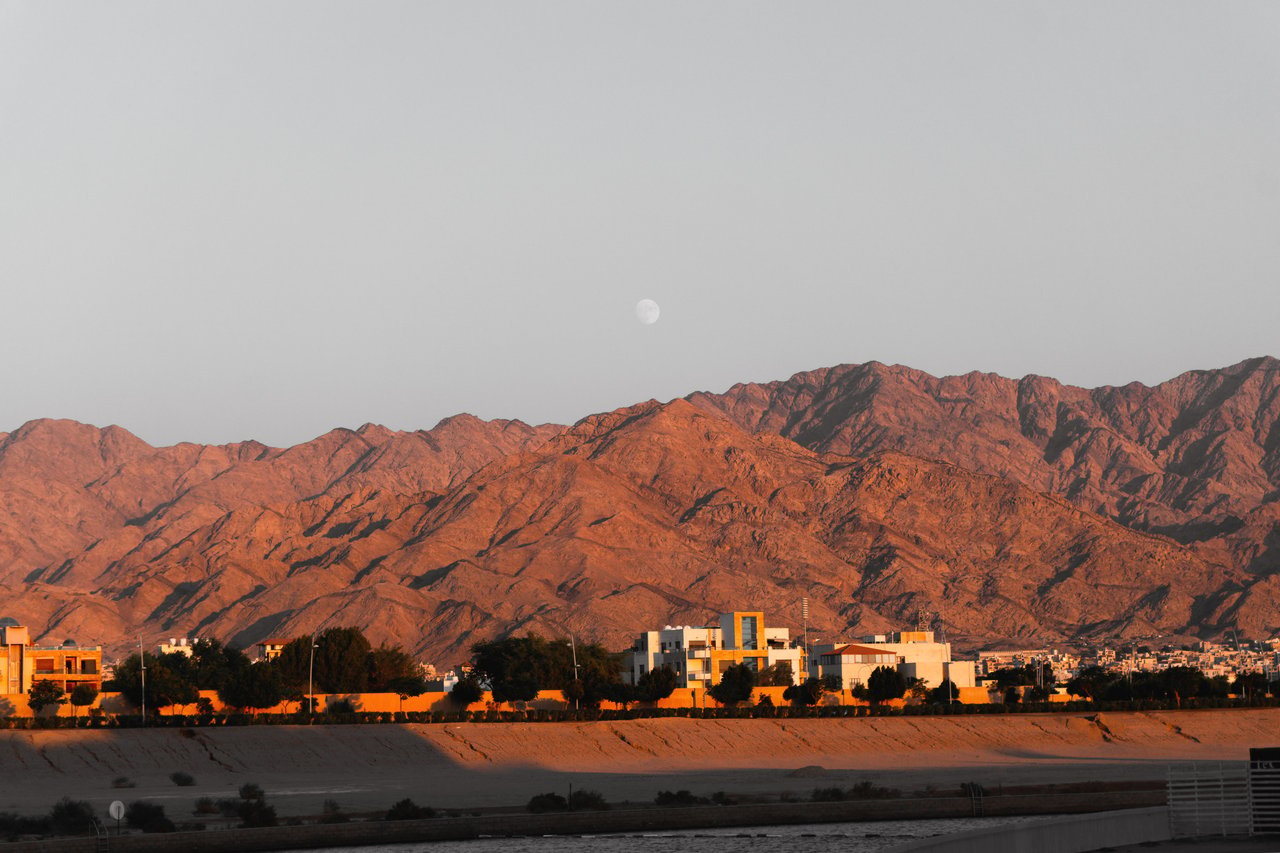
Some properties combine mountain backdrops with natural desert vegetation, open land, and rugged terrain. This can create a distinctly Arizona setting that appeals to buyers seeking a more natural residential environment.
Elevated Views
Homes positioned on hillsides or elevated parcels may offer a wider perspective of the surrounding landscape. However, buyers should also consider access, driveway design, drainage, and the practical implications of the property's terrain.
Understanding which views matter most helps narrow the search. A property does not need to offer every possible scenic feature to be the right choice. It needs to provide the setting that best supports the buyer's lifestyle and preferences.
Evaluate Whether the View Is Protected
One of the most important considerations when buying a mountain-view property is whether the scenery is likely to remain available over time.
A beautiful view during a showing does not automatically mean it will remain unchanged. Nearby vacant land, undeveloped parcels, and surrounding properties may be subject to future construction or landscaping changes.
For example, a home may currently enjoy an unobstructed mountain view because the neighboring parcel is vacant. If that land is developed later, the view could become partially or entirely blocked.
Buyers should investigate the surroundings before assuming a view is permanent.
Important questions include:
Is the property adjacent to protected open space or public land?
Are there vacant parcels nearby that could be developed?
What zoning regulations apply to neighboring properties?
Are there planned residential or commercial developments in the area?
Could future construction affect the view from the backyard or main living spaces?
Are there community restrictions that help preserve certain sightlines?
Properties near established open space or protected natural areas may offer a stronger degree of scenic stability, although buyers should still verify the applicable land ownership, boundaries, and development restrictions.
A local real estate professional can help identify potential concerns, while zoning records, planning documents, and relevant public information can provide additional context.
The goal is not to guarantee that a view will never change. It is to understand the factors that could affect it before committing to the purchase.
Pay Attention to Lot Orientation and Elevation
A property's location on a street or within a neighborhood can significantly influence the quality of its mountain views.
Even homes within the same community may have different sightlines because of their elevation, lot orientation, building placement, and surrounding structures.
A property positioned slightly higher on a hillside may capture a broader view than a nearby home on flatter terrain. Similarly, a backyard facing the mountains may provide a more enjoyable outdoor experience than a property where the scenery is visible only from an upstairs bedroom.
When evaluating a home, consider:
Direction of the Main Living Areas
Look at which rooms offer the best views. Ideally, the scenery should be visible from spaces where the household spends the most time, such as the living room, kitchen, primary bedroom, or outdoor patio.
Backyard Orientation
For buyers who enjoy outdoor entertaining, the backyard's position can be especially important. A property with mountain views from the pool, covered patio, or outdoor dining area may provide greater everyday enjoyment.
Elevation
Higher elevation can create more expansive views, but it may also introduce considerations involving slopes, retaining walls, driveway access, and drainage.
Window Placement
Large windows and sliding glass doors can frame the surrounding landscape. Consider whether the home's design takes advantage of the view or limits it to a few specific areas.
Sun Exposure
The direction of the property can affect natural light, shade, and outdoor comfort. In Scottsdale's desert climate, buyers should pay attention to how direct sunlight reaches patios, pools, and interior rooms throughout the day.
A strong mountain-view property combines attractive scenery with a layout that allows residents to enjoy it comfortably.
Consider Privacy and Surrounding Development
Mountain views and privacy often go hand in hand, but one does not automatically guarantee the other.
A home may offer impressive scenery while still being exposed to neighboring properties, nearby roads, or public viewing areas. Buyers should evaluate how the property feels from both inside and outside the home.
Pay attention to:
The distance between the home and neighboring houses
Whether nearby properties overlook the backyard
The location of windows facing outdoor living areas
Street visibility and pedestrian activity
Nearby trails, parks, or public access points
Existing walls, landscaping, and natural barriers
Some Scottsdale luxury communities offer gated entrances, larger parcels, or carefully planned building placements that contribute to a greater sense of privacy. However, buyers should assess each property individually rather than assume all homes in a particular community offer the same experience.
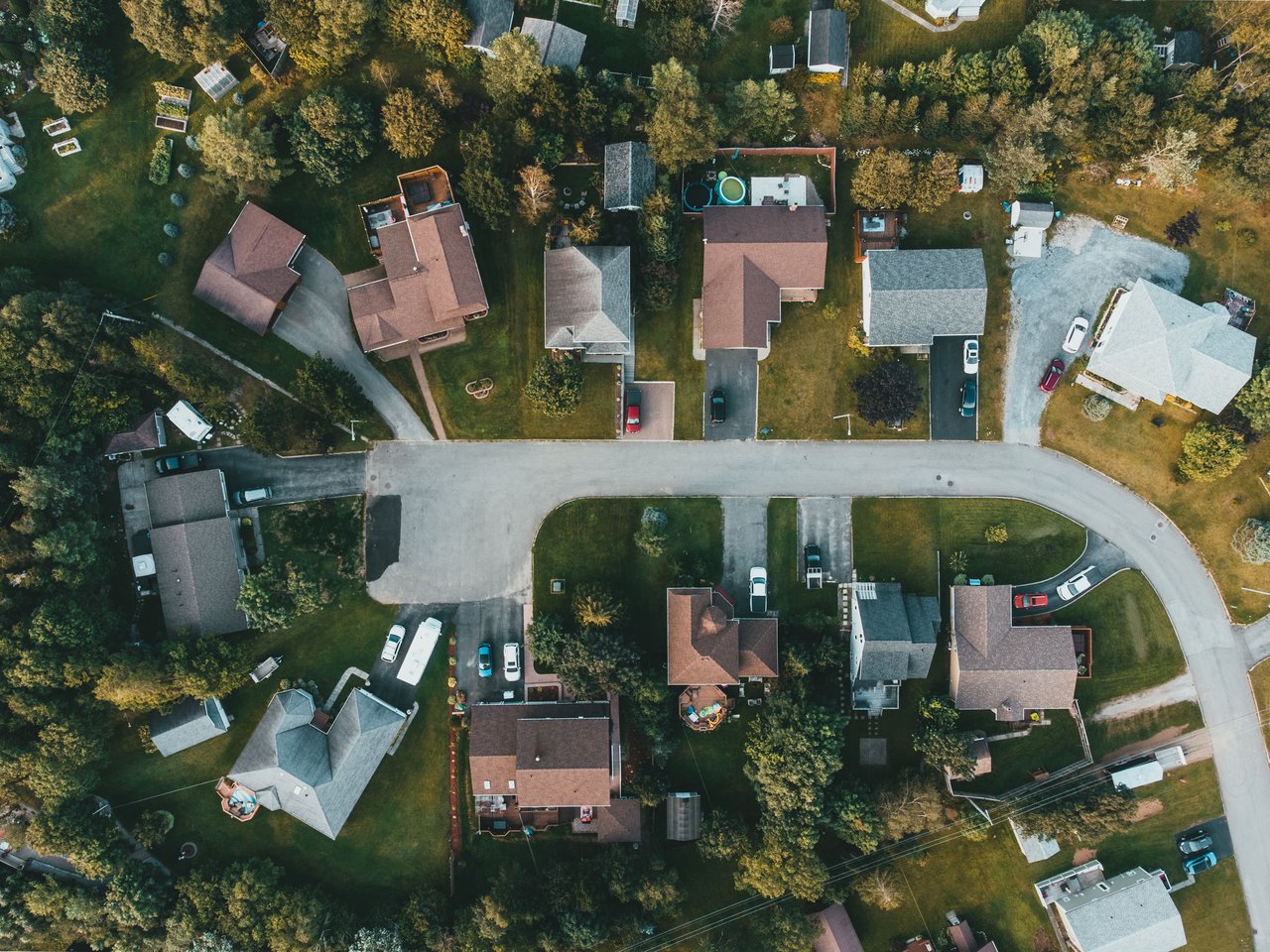
Privacy can also be affected by future development. A vacant parcel below or beside an elevated property may eventually contain a new structure. Understanding neighboring land uses is therefore an important part of evaluating the home's long-term setting.
Look Beyond the View and Evaluate the Entire Property
A mountain view can make a strong first impression, but it should not distract buyers from the property's overall condition and functionality.
A home with exceptional scenery may still have concerns involving its roof, plumbing, electrical systems, foundation, or other major components. Buyers should evaluate these areas with the same care they would apply to any other property.
The inspection process should consider the home's age, construction quality, previous improvements, and maintenance history.
Depending on the property's features and location, buyers may also want to evaluate:
Roof and Exterior Condition
Desert sun, temperature changes, wind, and seasonal weather can affect roofing materials, exterior finishes, and other building components.
Drainage and Grading
Properties located on slopes or near natural drainage paths should be evaluated for proper water management. Buyers should understand how runoff moves around the property during heavy rainfall.
Retaining Walls and Sloped Areas
Some hillside properties rely on retaining walls or engineered landscaping. These features should be examined for visible deterioration, drainage concerns, and maintenance requirements.
Windows and Doors
Large windows are often a major feature of mountain-view homes. Buyers should check their condition, seals, operation, and energy performance.
Outdoor Structures
Pools, patios, decks, outdoor kitchens, and other amenities should be inspected for condition and functionality.
A scenic setting adds appeal, but the home itself must also meet the buyer's expectations for comfort, quality, and ongoing maintenance.
Understand the Impact of Sunlight and Heat
Mountain views are often enjoyed through large windows, expansive glass doors, and outdoor living spaces. While these design elements can create beautiful views, they also make sun exposure an important consideration.
In Scottsdale, the intensity of the desert sun can influence interior temperatures, glare, and outdoor comfort. A room with an excellent mountain view may become less comfortable during certain hours if it receives significant direct sunlight.
Buyers should visit the property at different times of the day when possible.
Consider the following:
Which rooms receive direct afternoon sunlight?
Does the backyard have adequate shade?
Are covered patios positioned to provide comfortable outdoor use?
Do the windows have appropriate glazing or protective treatments?
Are window coverings included or needed?
Does the home have an efficient cooling system?
Are outdoor seating and entertaining areas comfortable during warmer months?
A well-designed mountain-view home should balance scenery with practical comfort. Shade structures, covered patios, landscaping, and properly selected windows can help improve the experience.
Evaluate the Maintenance Requirements of the Location
Properties with mountain and desert views can come with unique maintenance considerations. Depending on the setting, buyers may need to account for hillside landscaping, native vegetation, rocky terrain, irrigation systems, drainage features, and outdoor structures exposed to the elements.
Homes located near natural desert areas may also experience more dust, wildlife activity, and seasonal vegetation changes than properties in more developed neighborhoods.
Potential maintenance considerations include:
Desert landscaping and irrigation
Erosion control on sloped areas
Retaining wall inspections
Exterior cleaning and window maintenance
Pool and patio upkeep
Pest management
Roof and drainage inspections
Maintenance of outdoor lighting and hardscape
Buyers should also understand whether landscaping is governed by an HOA and whether there are restrictions on removing or modifying native vegetation.
For those who travel frequently or prefer a low-maintenance lifestyle, it may be worth comparing a property with extensive grounds against one with a smaller, professionally maintained outdoor area.
The ideal mountain-view home should offer the desired setting without creating more maintenance than the buyer is prepared to manage.
Review HOA Rules, Zoning, and Property Restrictions
Some Scottsdale mountain-view properties are located within gated or planned communities with specific architectural standards and property restrictions.
These rules can affect how homeowners maintain or modify their properties. For example, an HOA may have requirements covering exterior colors, landscaping, walls, lighting, additions, and other improvements.
Buyers should review the relevant community documents before purchasing.
Important details to investigate include:
Architectural Guidelines
These may regulate additions, exterior changes, landscaping, and other modifications that affect the appearance of the home or neighborhood.
Landscaping Restrictions
Certain communities may have guidelines regarding vegetation, irrigation, walls, and the removal of existing plants.
Building Height and Setbacks
Zoning and community requirements can influence how structures are positioned and how tall they can be. These rules may also affect the views available from neighboring properties.
Easements and Property Boundaries
Recorded easements can limit how portions of a lot are used. Buyers should review available surveys and title information to understand these restrictions.
Future Improvements
If the buyer intends to add a casita, pool, patio, or other feature, they should confirm whether the project is permitted before relying on the property's apparent available space.
Understanding these restrictions is particularly important when purchasing a home because of its views. A buyer may have plans for outdoor improvements that are not permitted under the applicable rules.
Compare Mountain-View Properties With Recent Sales
A mountain view can contribute to a property's appeal, but buyers should understand how much of a premium they may be paying for it.
Not all views carry the same market significance. A broad, unobstructed panorama may appeal to a different group of buyers than a partial mountain view visible from one room.
To evaluate pricing, compare the property with recent sales that share similar characteristics.
Look at:
Neighborhood and location
Lot size and usable land
View type and visibility
Elevation and orientation
Home size and condition
Architectural style and quality
Outdoor living features
Privacy and surrounding development
Recent comparable sale prices
For luxury properties, finding truly comparable homes can be challenging. A custom estate with a protected mountain backdrop may have few direct comparisons, making local market knowledge especially valuable.
Buyers should also consider the property's time on market, previous price adjustments, and competition from similar active listings.
A scenic view can support buyer interest, but it should be considered alongside the property's complete features and current market position.
Understand How Mountain Views May Affect Resale Appeal
A distinctive setting can help a property stand out when it eventually returns to the market. Buyers who appreciate Arizona's desert landscape may be drawn to homes with mountain backdrops, open views, and well-designed outdoor spaces.
However, resale appeal depends on more than scenery.
A property's location, condition, architectural design, functionality, and pricing all influence its competitiveness. A home with a beautiful view but outdated systems or a difficult layout may appeal to a narrower group of buyers than a well-maintained property that balances views with everyday convenience.
Buyers considering long-term ownership should think about whether the view is likely to remain an attractive feature for future purchasers.
A few useful questions include:
Is the mountain view visible from the main living areas?
Does the property offer privacy as well as scenery?
Is the outdoor space functional and inviting?
Are there nearby development risks?
Is the home in a desirable and accessible neighborhood?
Does the asking price reflect recent comparable sales?
No view guarantees appreciation or a particular resale outcome. Still, a well-positioned property with attractive scenery and strong overall condition may have qualities that help distinguish it in the market.
Explore Scottsdale Neighborhoods Known for Scenic Settings
Buyers searching for mountain-view homes may want to explore several areas of Scottsdale, depending on their budget, preferred property style, and lifestyle priorities.
North Scottsdale
North Scottsdale is a natural starting point for buyers interested in desert scenery, mountain backdrops, larger parcels, and luxury communities. Areas near the McDowell Mountains and Pinnacle Peak offer a range of residential settings, from gated estates to custom desert homes.
Desert Mountain
Desert Mountain is known for its private residential setting, golf-oriented lifestyle, and Sonoran Desert surroundings. Buyers may find homes with distinctive mountain and desert views, depending on their location within the community.
Estancia
Located near Pinnacle Peak, Estancia is an established luxury community with custom homes and a dramatic desert landscape. Individual properties should be evaluated for their specific views, privacy, and lot characteristics.
Silverleaf
Silverleaf offers an upscale residential environment within the DC Ranch area. Its properties vary in elevation, architecture, and setting, so buyers should compare individual homes rather than assume every residence offers the same views.
McDowell Mountain Ranch
This established North Scottsdale community offers access to desert scenery, recreational amenities, and a variety of home styles. Certain properties may provide mountain views depending on their position and surrounding development.
These neighborhoods offer different lifestyles and ownership considerations. Buyers should explore specific streets, communities, and properties to determine which setting best matches their priorities.
Questions to Ask During a Mountain-View Home Tour
A property tour is an opportunity to look beyond the listing photographs and evaluate how the home actually functions.
When viewing a mountain-view property, buyers should ask:
Which rooms offer the best mountain views?
Is the view visible from the backyard and main living areas?
Is nearby vacant land privately owned or protected open space?
Are there known development plans in the surrounding area?
What are the property's drainage and grading characteristics?
Are there retaining walls or other hillside structures that require maintenance?
What HOA or zoning restrictions apply?
Does the home receive significant afternoon sun?
What maintenance is required for the landscaping and outdoor features?
How do comparable mountain-view homes in the neighborhood compare in price?
If the property is particularly unique, buyers may also want to review surveys, title documents, HOA records, and available planning information.
A thorough evaluation helps distinguish a home that simply looks impressive from one that offers lasting practical value.
Choose a View That Enhances Your Everyday Lifestyle
A mountain view can make a Scottsdale home feel special, but its real value is measured by how well it fits the way the homeowner wants to live.
For some buyers, the priority may be enjoying sunrise views from the primary bedroom. Others may want a backyard that frames the mountains while providing space for outdoor dining and entertaining. Some may prefer a private elevated setting, while others value convenient access to shopping, dining, and community amenities just as much as the scenery.
The best property balances these preferences with sound construction, manageable maintenance, appropriate pricing, and a location that supports long-term plans.
Rather than focusing only on the most dramatic view, buyers should consider the complete property and its surroundings. That approach can help identify a home that offers more than an attractive backdrop. It can provide a setting that makes everyday life in Scottsdale more enjoyable.
A beautiful mountain view can be one of the most memorable features of a Scottsdale luxury home, but buyers should understand what supports that view and how the property performs beyond its scenery. From lot orientation and privacy to future development, maintenance, and market value, every detail deserves careful consideration.
Scottsdale Real Estate Agent Denise McManus helps buyers explore Scottsdale properties with an informed perspective on location, lifestyle, and the details that distinguish one luxury home from another. Whether searching for a desert estate, a private residence near the McDowell Mountains, or a home with an exceptional outdoor setting, the right local guidance can help make the buying process more strategic and rewarding.
Q&A:
Q: Where can buyers find homes with mountain views in Scottsdale?
A: Buyers may find mountain-view properties throughout Scottsdale, particularly in parts of North Scottsdale, near Pinnacle Peak, and within communities such as Desert Mountain, Estancia, Silverleaf, and McDowell Mountain Ranch. The specific views vary by property location and elevation.
Q: Do mountain views increase a Scottsdale home's value?
A: Mountain views can contribute to a property's market appeal, particularly when they are expansive, unobstructed, and visible from important living spaces. However, value also depends on location, lot size, condition, design, privacy, and comparable sales.
Q: How can buyers determine whether a mountain view will remain unobstructed?
A: Buyers should investigate neighboring land ownership, zoning, vacant parcels, development plans, and applicable restrictions. Proximity to protected open space may help preserve the surrounding scenery, but buyers should verify the details rather than assume a view is permanent.
Q: Is a home at a higher elevation always better for mountain views?
A: Not necessarily. Higher elevation may provide broader views, but the property's orientation, nearby structures, terrain, and window placement also matter. Buyers should evaluate the actual sightlines from the home's interior and outdoor spaces.
Q: What maintenance issues should buyers consider with mountain-view properties?
A: Depending on the location, buyers may need to consider hillside landscaping, drainage, erosion control, retaining walls, irrigation, exterior cleaning, and maintenance of outdoor features.
Q: Are mountain-view homes more expensive in Scottsdale?
A: Some mountain-view properties command higher prices because of their location, privacy, views, and distinctive settings. However, the premium varies by neighborhood, property characteristics, and current market conditions.
Q: What should buyers inspect when purchasing a home on a hillside?
A: Buyers should pay attention to grading, drainage, retaining walls, foundations, roof condition, driveway access, and any visible signs of erosion or water intrusion. Qualified inspections may be necessary to evaluate specific concerns.
Q: Can homeowners build additional structures on a mountain-view lot?
A: It depends on zoning regulations, setbacks, easements, HOA guidelines, and other property restrictions. Buyers should confirm what improvements are permitted before assuming they can add a guest casita, pool, patio, or other structure.
Q: Should buyers prioritize mountain views over neighborhood convenience?
A: The decision depends on lifestyle priorities. A beautiful view may be important, but buyers should also consider commute times, shopping, dining, recreational access, privacy, and long-term ownership needs. The strongest choice balances scenery with everyday convenience.