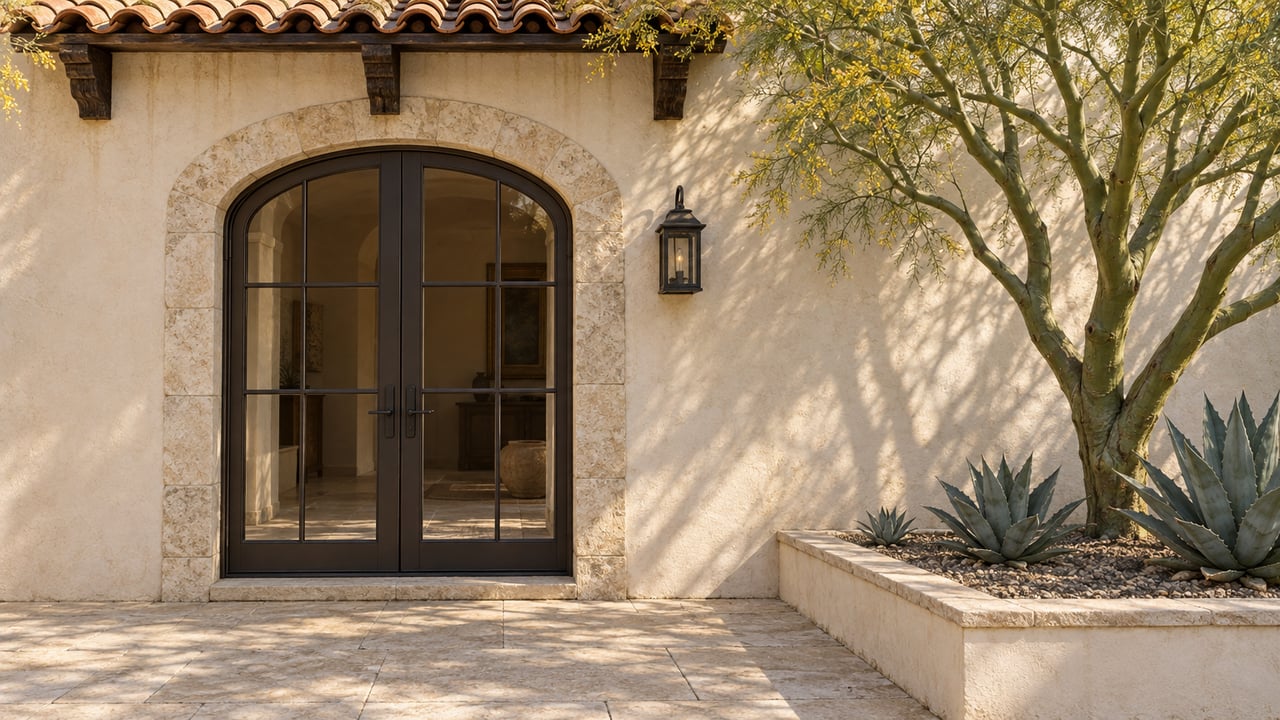
The 7 Things to Check Before Making an Offer on a Scottsdale Home
Buying a Home in Scottsdale, AZ: 7 Checks Before You Offer
Scottsdale offers a wide range of real estate options, from low-maintenance condominiums and gated communities to golf-course homes and custom estates with mountain views. Each property comes with its own considerations, including neighborhood conditions, maintenance requirements, homeowners association rules, insurance needs, and long-term resale potential.
In a competitive or changing market, the excitement of finding the right home can make it tempting to submit an offer quickly. However, taking time to evaluate the property's condition, pricing, and potential costs can help buyers make a more informed decision and reduce the risk of unexpected surprises.
Before making an offer on a Scottsdale home, there are seven important areas worth reviewing. These checks can help buyers identify potential concerns, understand the property's value, and determine whether the home truly fits their lifestyle and financial goals.
1. Review Comparable Sales and the Asking Price
The asking price is a starting point for negotiations, not proof of a home's market value. Before making an offer, buyers should understand how the property compares with similar homes that have recently sold in the same neighborhood or nearby communities.
Comparable sales, often called comps, provide useful context for evaluating whether a property is priced reasonably. The most relevant comparisons typically involve homes with similar square footage, lot size, age, condition, layout, and amenities. Location is especially important in Scottsdale, where homes in different subdivisions or communities can have substantially different values.
For example, two homes with similar interior square footage may differ significantly in value because one has mountain views, a larger lot, updated systems, or access to a desirable golf community. Another may require renovations or have less privacy from neighboring properties.
Buyers should consider several types of market information:
Recently sold homes: These show what buyers have actually paid for comparable properties.
Pending sales: These can offer insight into current buyer activity, although final sale prices and terms may not yet be available.
Active listings: These show the alternatives buyers can consider and help reveal the level of competition.
Price reductions: These may indicate that some sellers have adjusted their expectations, although the reason for each reduction should be evaluated individually.
It is also important to distinguish between a property's asking price and its likely market value. A home priced below comparable sales may attract multiple offers, while an overpriced property may provide room for negotiation. Neither situation should be assumed without reviewing the evidence.
Before submitting an offer, buyers should discuss the pricing strategy with their real estate agent. The goal is not simply to offer less than the asking price. It is to submit an offer supported by market data, property condition, and the buyer's priorities.
2. Schedule a Thorough Home Inspection
A property may look move-in ready during a showing while still having issues that are difficult to identify without a professional evaluation. A home inspection can help buyers understand the condition of major systems and components before proceeding toward closing.
In Scottsdale, the desert climate creates particular considerations. Intense summer heat, prolonged sun exposure, dust, and seasonal storms can affect roofing materials, exterior finishes, windows, air-conditioning systems, and outdoor features.
Buyers should pay close attention to the following areas:
Roof and exterior condition
Ask about the roof's age, visible wear, previous repairs, and any signs of water intrusion. The type of roofing material and its maintenance history can influence future expenses. Exterior stucco, paint, windows, and seals should also be evaluated for deterioration or damage.
Heating and cooling systems
Air conditioning is essential to comfortable living in Arizona. Ask about the age and maintenance history of the HVAC system, and have it evaluated as appropriate. A system that struggles to cool the home or requires significant repairs could create an immediate expense.
Plumbing and electrical systems
The inspection should identify visible concerns with plumbing fixtures, water pressure, drainage, electrical components, and other accessible systems. Buyers should ask whether any further specialist evaluations are recommended.
Signs of water intrusion
Although Scottsdale receives less rainfall than many other regions, water management remains important. Inspectors may identify concerns involving roof leaks, plumbing leaks, drainage, grading, or moisture around windows and doors.
Pools, spas, and outdoor equipment
For properties with pools, spas, irrigation systems, or outdoor kitchens, buyers should determine whether these features require separate inspections or servicing. Pool equipment, pumps, heaters, and related systems can involve significant maintenance costs.
A general home inspection does not necessarily cover every issue or specialized system. Depending on the property, buyers may need additional evaluations for pools, pest activity, sewer lines, roofing, HVAC equipment, or other components.
The inspection period is also an opportunity to ask questions. Buyers should understand which findings are routine maintenance items, which may require further investigation, and which could materially affect the property's value or safety.
3. Understand the HOA Rules, Fees, and Restrictions
Many Scottsdale homes are located in planned communities, condominium developments, or neighborhoods with a homeowners association. These communities may offer amenities such as gated access, shared landscaping, community pools, fitness facilities, or maintained common areas. However, association membership can also come with financial obligations and restrictions.
Before making an offer, buyers should determine whether the property belongs to an HOA and review the applicable documents.
Understand the total cost of ownership.
Monthly or annual HOA fees can affect affordability. Buyers should verify the current amount, payment schedule, and what the fee covers. Some associations include landscaping, exterior maintenance, or certain utilities, while others primarily fund shared amenities and common-area expenses.
It is also worth asking whether special assessments are pending or anticipated. An association may need additional funds for repairs, infrastructure projects, or reserve shortfalls. These expenses can increase the buyer's cost beyond the regular dues.
Review the community rules.
Association restrictions can influence how a property may be used. Depending on the community, rules may address exterior modifications, landscaping, parking, pets, rental arrangements, holiday decorations, or architectural changes.
Buyers considering a home as a seasonal residence or rental property should pay particular attention to rental restrictions, minimum lease periods, occupancy rules, and any applicable approval requirements. A property that appears suitable for a specific investment strategy may not permit the intended use.
Evaluate the association's financial health.
Where available, review the association's budget, reserve information, meeting minutes, insurance details, and records of significant repairs or disputes. These documents can provide insight into the community's financial planning and maintenance priorities.
For buyers considering condominiums or townhomes, it is especially important to understand which maintenance responsibilities belong to the association and which belong to the individual owner.
The objective is to know what living in the community will involve before committing to the purchase.
4. Investigate the Neighborhood and Its Surroundings
A home can meet every requirement on paper and still be the wrong fit if the surrounding area does not support the buyer's lifestyle. Before making an offer, buyers should explore the neighborhood at different times of day and consider how it may function beyond the initial showing.
Scottsdale encompasses a variety of residential environments. Some buyers prioritize proximity to Old Town restaurants, shopping, and entertainment. Others prefer North Scottsdale's mountain scenery, golf communities, larger lots, or access to outdoor recreation.
The right location depends on how the buyer intends to live.
Consider everyday convenience.
Evaluate travel times to work, schools, grocery stores, healthcare providers, restaurants, fitness facilities, and other frequently visited destinations. A neighborhood that feels convenient during a weekend showing may have different traffic patterns during weekday commute hours.
Look beyond the individual property.
Visit nearby streets and observe parking, traffic, lighting, noise, and the general condition of surrounding properties. Consider whether nearby commercial developments, vacant parcels, or construction projects could affect privacy, views, or convenience in the future.
For properties marketed around scenic surroundings, buyers should investigate whether views are protected or could change as nearby land is developed. A current mountain view may be an important selling point, but the long-term outlook depends on surrounding ownership, zoning, and development possibilities.
Research local conditions.
Buyers may wish to investigate flood-related concerns, drainage, road projects, zoning, and planned development through appropriate local sources. Scottsdale's desert setting does not eliminate the possibility of localized flooding or stormwater issues.
It is also useful to consider the neighborhood's appeal to future buyers. Location, access, community amenities, and surrounding development can influence long-term demand, although no factor guarantees future appreciation.
A few additional visits and a review of publicly available information can reveal details that a single showing may not capture.
5. Evaluate Insurance, Utilities, and Ongoing Ownership Costs
The purchase price and mortgage payment represent only part of the financial commitment involved in owning a home. Buyers should estimate the property's ongoing costs before submitting an offer so they can determine whether the home fits their budget comfortably.
In Scottsdale, operating expenses can vary according to the home's size, age, construction, landscaping, pool features, and energy efficiency.
Request an insurance estimate.
Before committing to a purchase, buyers should speak with an insurance professional about the property's insurability and estimated premium. Costs can vary based on replacement value, roof condition, construction details, coverage selections, and other underwriting factors.
A luxury property with custom finishes, extensive outdoor improvements, or specialized features may require a different coverage assessment than a smaller home.
Buyers should confirm what is covered, what exclusions apply, and whether separate coverage may be appropriate for particular risks. Condominium buyers should also understand how the association's master policy works alongside an individual owner's policy.
Review utility expenses.
Ask whether the seller can provide recent utility bills or other records that help establish typical usage. Electricity expenses can rise during the summer when air conditioning operates heavily, particularly in larger homes with high ceilings or substantial sun exposure.
Pool pumps, outdoor lighting, irrigation systems, and extensive landscaping can add to operating costs. Features such as efficient windows, insulation, shade structures, and modern HVAC equipment may help manage consumption, but actual expenses depend on how the property is used.
Plan for maintenance and repairs.
Even a well-maintained home requires ongoing attention. Buyers should consider the age of major systems, anticipated replacements, pool maintenance, landscaping, pest prevention, and exterior upkeep.
For larger estates, the budget may also need to account for specialized services, security systems, smart-home technology, or extensive grounds maintenance.
A realistic ownership budget helps buyers distinguish between a home they can purchase and a home they can comfortably maintain.
6. Check the Property's Features, Boundaries, and Disclosures
Marketing photographs and listing descriptions can make a property look straightforward, but buyers should verify important details rather than relying solely on what they see online.
This is particularly important when a home has undergone renovations, includes substantial outdoor improvements, or is being marketed for distinctive features.
Confirm the property's size and boundaries.
Buyers should review available property records and determine whether a survey or other boundary verification is appropriate. Fences, walls, landscaping, driveways, and other improvements do not necessarily establish the legal property boundaries.
If the property includes a large lot, guesthouse, detached structure, or unusual configuration, additional verification may be worthwhile.
Ask about permits and renovations.
If the home has an addition, converted space, major remodel, or significant system upgrade, ask for available permits, invoices, warranties, and other supporting documentation. Requirements depend on the work performed and applicable regulations.
Buyers should not assume that every visible improvement was completed with the necessary approvals. Unpermitted work can create questions about compliance, insurability, financing, and future resale.
Review seller disclosures carefully.
Seller disclosures and related property documents can reveal known issues, past repairs, water intrusion, system problems, or other information relevant to the purchase. The exact documents and obligations depend on the property type and applicable law.
Buyers should read disclosures carefully and ask follow-up questions when information is unclear or incomplete. If a concern requires technical expertise, a qualified inspector, contractor, attorney, or other appropriate professional may be needed.
Evaluate special features objectively.
A home may include solar equipment, smart-home systems, outdoor kitchens, custom lighting, or upgraded appliances. Buyers should clarify what is included in the sale and whether any equipment is leased, financed, transferable, or subject to separate agreements.
For a solar system, for example, ownership terms and any outstanding payment obligations may affect the transaction. For smart-home equipment, buyers should determine which components will remain and how system access and control will be transferred.
Verifying these details helps prevent misunderstandings after closing.
7. Build the Right Offer Strategy and Protect Your Interests
Once the property, neighborhood, and likely costs have been evaluated, the next step is to structure an offer that reflects the buyer's priorities and protects their interests.
A strong offer is not simply the highest price. Sellers may also consider financing strength, contingencies, closing timelines, earnest money, and the likelihood that the transaction will proceed smoothly.
Buyers should work with their real estate agent to understand the available options and how each term may affect their position.
Choose a price supported by the evidence.
The offer should reflect comparable sales, current competition, the property's condition, and the buyer's assessment of value. Buyers should also determine their maximum comfortable purchase price before negotiations begin.
In a multiple-offer situation, increasing the price may improve the offer's appeal, but buyers should avoid allowing competition to push them beyond their financial limits.
Understand contingencies and deadlines.
Inspection, financing, appraisal, and other contractual provisions can provide important protections, depending on the terms of the agreement. Buyers should understand the purpose of each provision, the applicable deadlines, and the consequences of failing to meet them.
Contingencies should never be removed casually simply to make an offer appear more attractive. Buyers should consult their agent and, when appropriate, a qualified legal or financial professional before agreeing to terms they do not fully understand.
Confirm financing and cash requirements.
Buyers using a mortgage should obtain appropriate lender guidance and understand their estimated down payment, closing costs, monthly payment, and available funds for repairs or improvements.
Even cash buyers should account for closing expenses, insurance, inspections, association fees, and near-term maintenance needs.
Think about the seller's priorities.
A seller may prefer a particular closing date, a predictable financing process, or flexibility around possession. Where possible, an offer that accommodates the seller's practical needs may be more compelling without requiring the buyer to overpay.
The most effective strategy balances competitiveness with financial discipline and clear contractual protections.
A Final Checklist Before You Submit an Offer
Before making an offer on a Scottsdale home, confirm that you have addressed these seven areas:
Reviewed comparable sales and the asking price.
Arranged a professional inspection strategy and identified any specialized evaluations needed.
Reviewed HOA fees, restrictions, financial information, and rental rules where applicable.
Explored the neighborhood and researched relevant local conditions.
Estimated insurance, utilities, maintenance, and other ownership costs.
Checked available disclosures, property details, renovation documentation, and included features.
Discussed offer terms, financing, contingencies, and deadlines with your real estate agent.
Not every property will require the same level of investigation. A condominium, a newly constructed home, and a custom estate may raise different questions. The purpose of the checklist is to identify the issues that matter most for the specific property before the buyer makes a binding commitment.
Make Your Offer With Confidence, Not Guesswork
Buying a home in Scottsdale can be an exciting opportunity, whether the goal is to enjoy the desert lifestyle, relocate closer to work and family, or purchase a property that supports long-term plans.
However, the most attractive home is not always the best purchase. A property's true value depends on more than its appearance. Pricing, condition, location, ongoing expenses, restrictions, and contract terms all influence whether the purchase makes sense.
Taking time to investigate these factors can help buyers negotiate more effectively, plan for future costs, and make decisions with a clearer understanding of the risks and benefits.
Preparation does not eliminate every uncertainty, but it can help buyers avoid preventable surprises and move forward with greater confidence.
Planning to buy a home in Scottsdale? Before you make an offer, get a clearer picture of the property's market value, neighborhood, and potential ownership costs.
Scottsdale Real Estate Agent Denise McManus can help buyers evaluate their options, understand local market conditions, and approach the purchasing process with a strategy tailored to their goals. Whether you are searching for a primary residence, a seasonal home, or a luxury property, the right guidance can help you make a more informed decision.
Q&A:
Q: What should I check first before making an offer on a Scottsdale home?
A: Start by reviewing comparable sales and the asking price, then assess the property's condition, location, ownership costs, and any applicable HOA requirements. These factors help establish whether the home fits your needs and budget.
Q: Is a home inspection necessary when buying a house in Scottsdale?
A: A professional inspection is strongly recommended. Arizona's heat and sun exposure can affect roofing, HVAC systems, and exterior materials. Additional inspections may be appropriate for pools, pest concerns, or other specialized systems.
Q: What should I know about HOAs in Scottsdale?
A: Review association fees, rules, financial information, potential assessments, and any rental restrictions. These requirements can affect both your ongoing expenses and how you use the property.
Q: How do I know if a Scottsdale home is priced fairly?
A: Compare the home with recent sales and similar properties currently on the market. Account for location, condition, lot size, upgrades, views, and other features that influence value.
Q: What additional costs should I budget for when buying a Scottsdale home?
A: Beyond the purchase price and mortgage, consider insurance, property taxes, utilities, HOA fees, inspections, closing costs, routine maintenance, and potential repairs. Pool and landscaping expenses may also be significant.
Q: Should I waive the inspection contingency to make my offer more competitive?
A: Waiving an inspection contingency can increase risk by limiting your ability to respond to property concerns under the contract. Discuss the available options, deadlines, and potential consequences with your real estate agent before making that decision.
Q: Who can help me evaluate a home before making an offer in Scottsdale?
A: Scottsdale Real Estate Agent Denise McManus can help buyers assess local market conditions, compare properties, and develop an offer strategy aligned with their goals and priorities.