The Difference Between a Home That Looks Expensive and One That Feels Expensive
What Makes a Scottsdale Home Truly Feel Luxurious
Some homes immediately look expensive. They may feature dramatic chandeliers, oversized furniture, imported finishes, statement walls, and highly polished interiors. Everything appears designed to make an impression.
But there is another category of home that does something different.
It feels expensive.
The distinction can be subtle, but experienced buyers often notice it almost immediately. A home that truly feels luxurious tends to offer a sense of proportion, privacy, craftsmanship, comfort, functionality, and cohesion that goes beyond individual finishes.
This distinction matters in Scottsdale's luxury real estate market, where buyers have access to a wide range of high-end properties. A large price tag does not automatically translate into a luxurious experience. Conversely, a property does not need to be filled with flashy details to feel exceptionally well designed.
True luxury is often found in the details that are not immediately obvious.
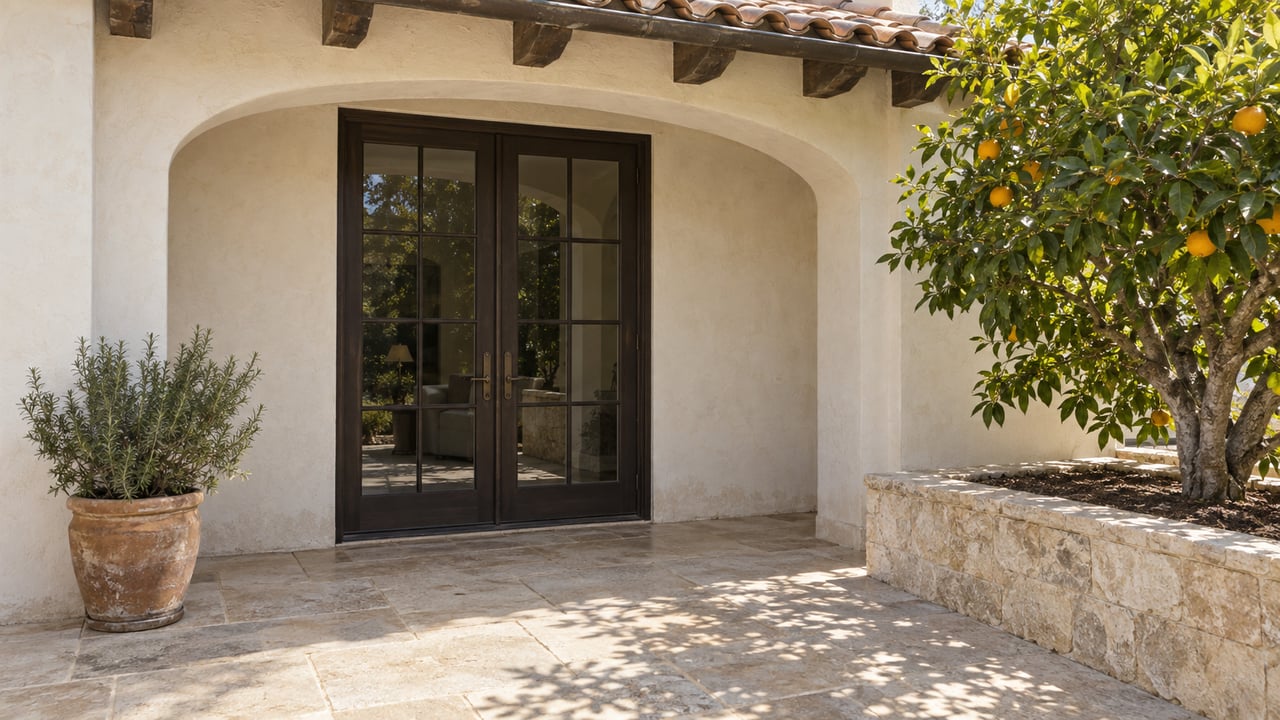
It can be the way natural light moves through a room, the quality of the doors and hardware, the privacy of the lot, the relationship between the architecture and landscape, or the ease with which the home transitions from entertaining spaces to private areas.
For Scottsdale buyers, understanding this difference can make it easier to recognize genuine quality rather than simply expensive-looking design.
Expensive Looking Is Often About Appearance
A home that looks expensive usually makes an immediate visual statement.
Think dramatic lighting, oversized art, bold furniture, highly visible stone, elaborate kitchens, and perfectly styled rooms.
There is nothing inherently wrong with any of these features. They can be beautiful and appropriate when thoughtfully executed.
The issue is when visual impact becomes the primary objective.
A room can contain expensive materials and still feel disconnected. A kitchen can feature high-end appliances while having poor workflow. A bathroom can use beautiful stone while lacking comfortable proportions.
The home may photograph well, but the experience of living there may not match the impression created by the photographs.
Luxury is not simply about what catches the eye first.
A Home That Feels Expensive Usually Has Better Proportion
One of the first things people notice when entering a truly well-designed home may be difficult to describe.
The rooms simply feel right.
Ceiling heights, window placement, furniture proportions, door sizes, hallways, room dimensions, and sightlines work together naturally.
Nothing feels unnecessarily oversized or cramped.
This is particularly important in larger Scottsdale homes. More square footage does not automatically create a luxurious feeling. If the proportions are poorly considered, a large home can actually feel less comfortable.
Thoughtful proportions create a sense of balance.
That balance often contributes more to the perception of luxury than simply adding more expensive materials.
Craftsmanship Is Difficult to Fake
Materials can be purchased.
Craftsmanship has to be executed.
A home may use beautiful marble, hardwood, or custom cabinetry, but the quality becomes apparent in the details.
Look closely at the joinery. Examine the alignment of cabinetry. Pay attention to how doors close, how drawers operate, how trim meets the walls, and how different materials transition from one surface to another.
High-quality craftsmanship tends to create consistency throughout the property.
The details do not call attention to themselves.
They simply work.
That is one of the defining characteristics of homes that genuinely feel luxurious.
Expensive Materials Are Not the Same as Quality Materials
A high price tag on a material does not automatically make it the right choice.
True luxury is often about selecting materials that are appropriate for the architecture, climate, use, and overall design.
In Scottsdale, this can be particularly important.
Materials need to perform in a desert environment. Exterior finishes need to withstand intense sun and temperature fluctuations. Landscaping needs to be appropriate for the climate. Outdoor materials need to balance appearance with durability.
The best luxury properties tend to use materials because they make sense, not simply because they are expensive.
That distinction creates a more timeless result.
Luxury Often Feels Quiet
One of the most interesting characteristics of genuinely luxurious homes is that they do not always announce themselves.
There may be fewer decorative elements.
Instead, the architecture, materials, light, views, and landscaping do the work.
A quiet entry can feel more sophisticated than an overly elaborate foyer. A beautifully proportioned living room can feel more luxurious than one filled with statement pieces.
This does not mean luxury has to be minimal.
It means the design has confidence.
The home does not need every feature to compete for attention.
Privacy Is One of the Most Valuable Luxury Features
In Scottsdale, privacy can be more meaningful than many visible upgrades.
A home with a private lot, thoughtful landscaping, limited sightlines, and a carefully designed outdoor environment can feel significantly more luxurious than a property with more expensive finishes but little separation from neighboring homes.
Privacy creates a sense of retreat.
That is particularly valuable for buyers who view their home as a place to disconnect, entertain privately, or enjoy outdoor living without feeling exposed.
It is also difficult to add after purchase.
Paint can change. Countertops can change. Fixtures can change.
A property's fundamental privacy is much harder to create.
Outdoor Living Should Feel Like an Extension of the Home
Scottsdale luxury is not confined to the interior.
A truly luxurious property often treats outdoor space as an extension of the home's architecture.
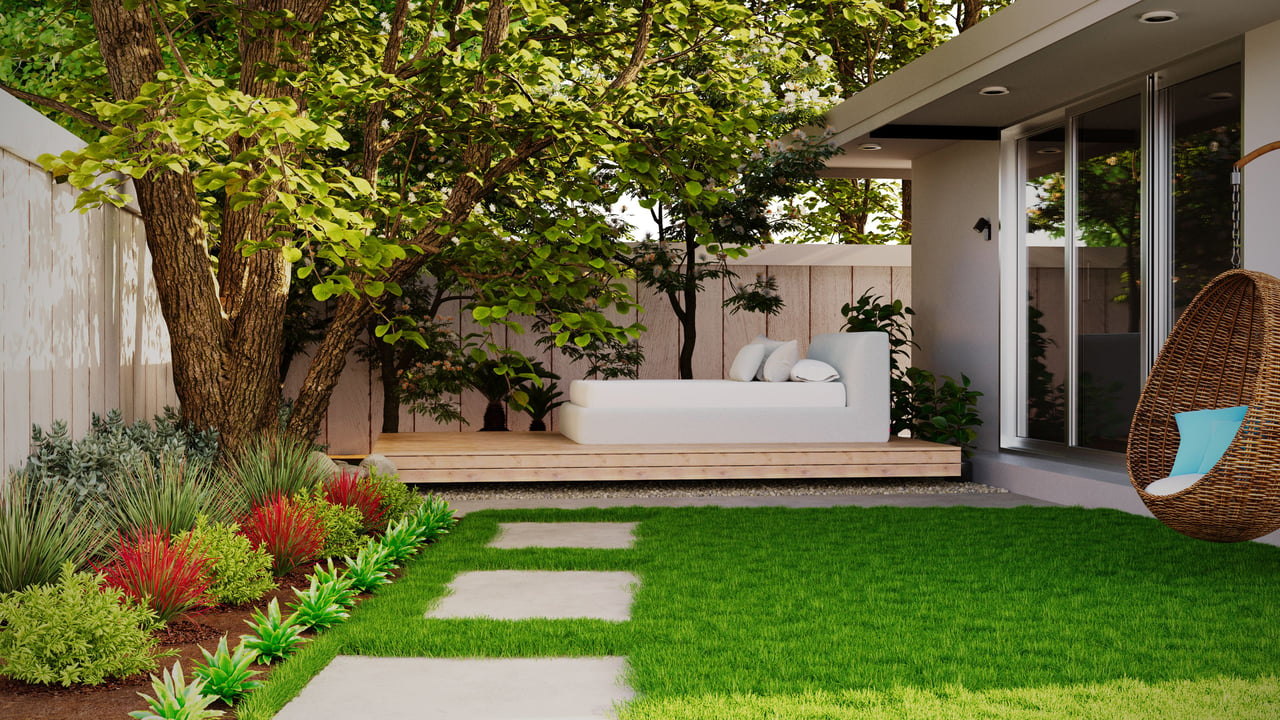
Covered patios, outdoor kitchens, pools, fireplaces, shaded seating, mature landscaping, and carefully framed views can create a seamless relationship between inside and outside.
The key is integration.
An expensive home may have a pool and outdoor kitchen added to a backyard without much consideration for how the spaces relate to one another.
A home that feels luxurious usually has a more deliberate connection between architecture, landscape, and lifestyle.
The outdoor environment feels like it belongs to the home.
Technology Should Make Life Easier
Smart-home technology can be an impressive feature, but technology alone does not create luxury.
The best technology tends to be integrated rather than displayed.
Lighting, climate control, security, audio, shades, pool systems, and other home functions can be controlled conveniently without making the home feel like a showroom for technology.
The objective is ease.
When technology works quietly in the background, it supports the homeowner's experience instead of becoming the experience itself.
That is an important distinction between having expensive technology and having a sophisticated home.
Comfort Matters More Than Showing Off
A home can be visually spectacular and still not be comfortable.
Luxury should ultimately make daily life better.
That means comfortable temperatures, useful storage, good acoustics, functional kitchens, private bedrooms, convenient bathrooms, appropriate lighting, and spaces that work for the way the homeowners actually live.
A home that looks impressive but requires constant adjustments can become frustrating.
A home that feels effortless tends to feel more valuable over time.
This is why experienced luxury buyers often evaluate function as closely as appearance.
The Best Luxury Homes Have Cohesion
A truly expensive-feeling home usually has a clear visual and architectural language.
The materials work together.
The lighting supports the architecture.
The landscaping complements the structure.
The furniture fits the scale of the rooms.
The exterior relates naturally to the interior.
Nothing feels randomly selected.
This does not mean every room needs to look identical.
Instead, there is a sense that every part of the property belongs to the same overall vision.
Cohesion creates sophistication.
Location Can Make a Home Feel More Valuable
Luxury does not stop at the property line.
A home's location contributes significantly to the overall experience.
A property with mountain views, privacy, proximity to Scottsdale's amenities, access to golf, or a particularly desirable neighborhood can provide qualities that cannot simply be replicated through renovation.
This is why buyers should evaluate the entire property experience.
A beautifully renovated home in an ordinary setting may offer a different kind of luxury than a more understated home with an exceptional lot and irreplaceable location.
Both can be valuable.
But the source of that value is different.
The Details You Do Not Immediately Notice Often Matter Most
Some of the most meaningful luxury features are easy to overlook during a quick showing.
How quiet is the home?
How does the temperature feel from room to room?
Are the windows positioned to capture the best views?
Does the floor plan provide privacy?
Does the lighting feel natural?
Do the doors and cabinets operate smoothly?
Does the landscaping create a sense of privacy?
Are the materials durable enough for the climate?
Does the home feel effortless to navigate?
These details may never appear in a listing headline.
But they influence how the property feels every day.
Expensive Does Not Always Mean Timeless
A home can be expensive because it incorporates current trends.
That does not necessarily mean those choices will remain desirable over time.
Luxury buyers should consider whether a property's design has staying power.
Timeless materials, strong architecture, quality craftsmanship, thoughtful landscaping, and adaptable spaces often have greater long-term appeal than features chosen primarily because they are fashionable at the moment.
This does not mean a home should feel traditional or conservative.
Contemporary design can be timeless when it is based on strong principles rather than short-lived trends.
How Buyers Can Recognize the Difference
When touring Scottsdale luxury homes, buyers should ask more than whether they like the finishes.
Ask how the home feels.
Does the property feel calm?
Does the layout make sense?
Is there privacy?
Are the materials appropriate for the architecture?
Does the outdoor space feel connected to the interior?
Is the craftsmanship consistent?
Does the home feel comfortable?
Does the property take advantage of its location?
Would the home still feel special without the furniture and accessories?
These questions can reveal the difference between a home that has been designed to look expensive and one that has been designed to provide a genuinely elevated experience.
True Luxury Is About the Experience
Ultimately, the difference between looking expensive and feeling expensive comes down to how the property works as a whole.
A home that looks expensive may impress you when you walk through the door.
A home that feels expensive tends to continue impressing you after the initial reaction fades.
It is comfortable. It is private. It is well proportioned. It is thoughtfully designed. Its materials make sense. Its craftsmanship is evident. Its indoor and outdoor spaces work together. Its technology supports the lifestyle. Its location adds something that cannot be recreated.
That is the kind of luxury that tends to remain relevant.
For Scottsdale buyers, recognizing that difference can help shift the focus from simply asking, "How much did this home cost to build?" to a much more meaningful question:
"How will this home feel to live in?"
If you are searching for a Scottsdale luxury home, looking beyond the obvious finishes can help you identify the properties that offer genuine quality, comfort, privacy, and long-term appeal.
For guidance on Scottsdale luxury properties and what distinguishes exceptional homes in the market, connect with Scottsdale Real Estate Agent Denise McManus. Her knowledge of Scottsdale real estate can help buyers evaluate the details that contribute to both the financial and lifestyle value of a luxury property.
Q&A:
Q: What is the biggest difference between a home that looks expensive and one that feels expensive?
A: A home that looks expensive often relies heavily on visible finishes and decorative features. A home that feels expensive typically combines quality craftsmanship, thoughtful proportions, comfort, privacy, functionality, cohesive design, and a strong relationship between the property and its surroundings.
Q: Do expensive materials automatically make a home luxurious?
A: No. The quality, appropriateness, installation, durability, and relationship between materials matter more than price alone. Luxury is often created through thoughtful selection rather than simply using the most expensive materials.
Q: Why is privacy considered a luxury feature?
A: Privacy creates a sense of retreat and can significantly improve the experience of living in a home. In Scottsdale, a private lot and thoughtfully designed landscaping can be particularly valuable for outdoor living.
Q: How important is craftsmanship in a luxury home?
A: Craftsmanship is one of the clearest indicators of quality. Details such as cabinetry, hardware, doors, trim, material transitions, and construction consistency can reveal whether a home was thoughtfully executed.
Q: Does technology make a Scottsdale home feel more luxurious?
A: Technology can enhance luxury when it improves convenience, comfort, security, and efficiency. The best smart-home systems tend to integrate seamlessly into the property rather than becoming the primary focus.
Q: Should buyers prioritize trends when purchasing a luxury home?
A: Buyers should consider whether the home's design has long-term appeal rather than focusing exclusively on current trends. Strong architecture, quality materials, thoughtful proportions, and functional spaces generally have more staying power.
Q: Can a smaller Scottsdale home feel more luxurious than a larger one?
A: Absolutely. Size alone does not create luxury. A smaller home with exceptional craftsmanship, privacy, design, outdoor living, and location can provide a more elevated experience than a larger home with poor proportions or limited functionality.
Q: What should buyers focus on when touring Scottsdale luxury homes?
A: Buyers should evaluate the complete experience, including craftsmanship, layout, comfort, privacy, natural light, materials, outdoor living, technology, location, views, and how naturally all of these elements work together.