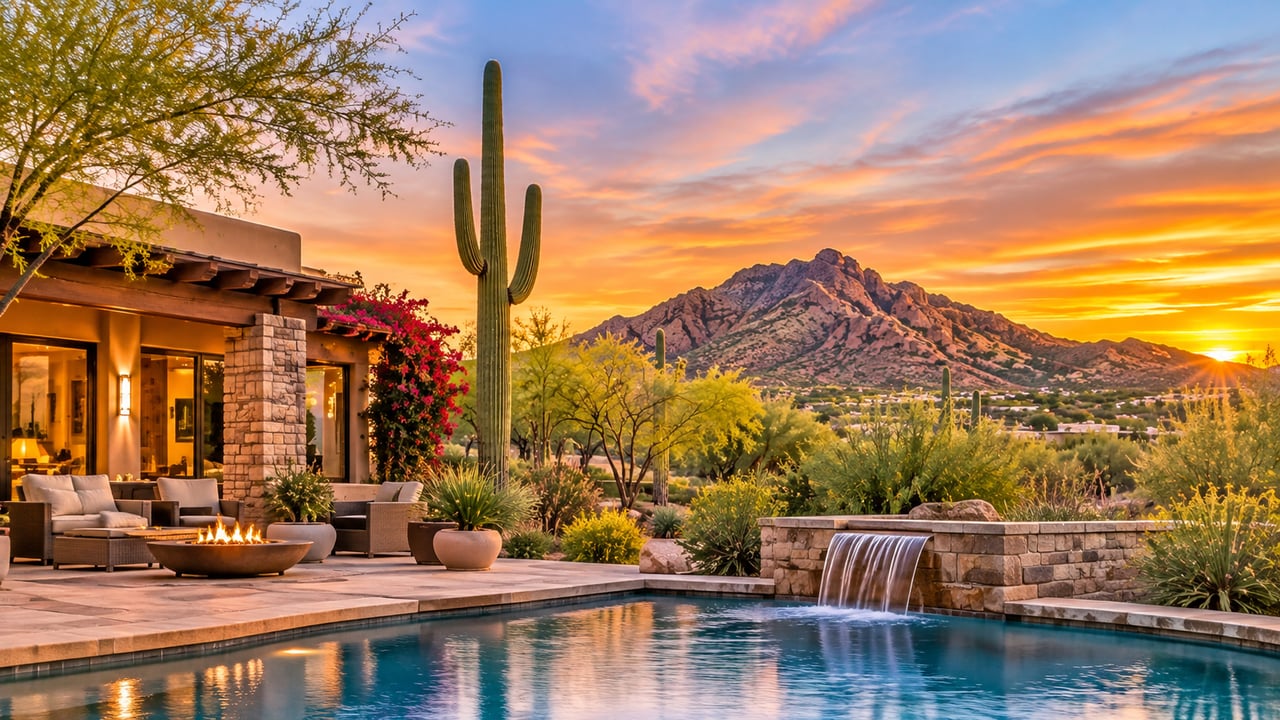
The True Cost of Owning a Luxury Home in Scottsdale
Luxury Homeownership Costs in Scottsdale: What Buyers Should Expect
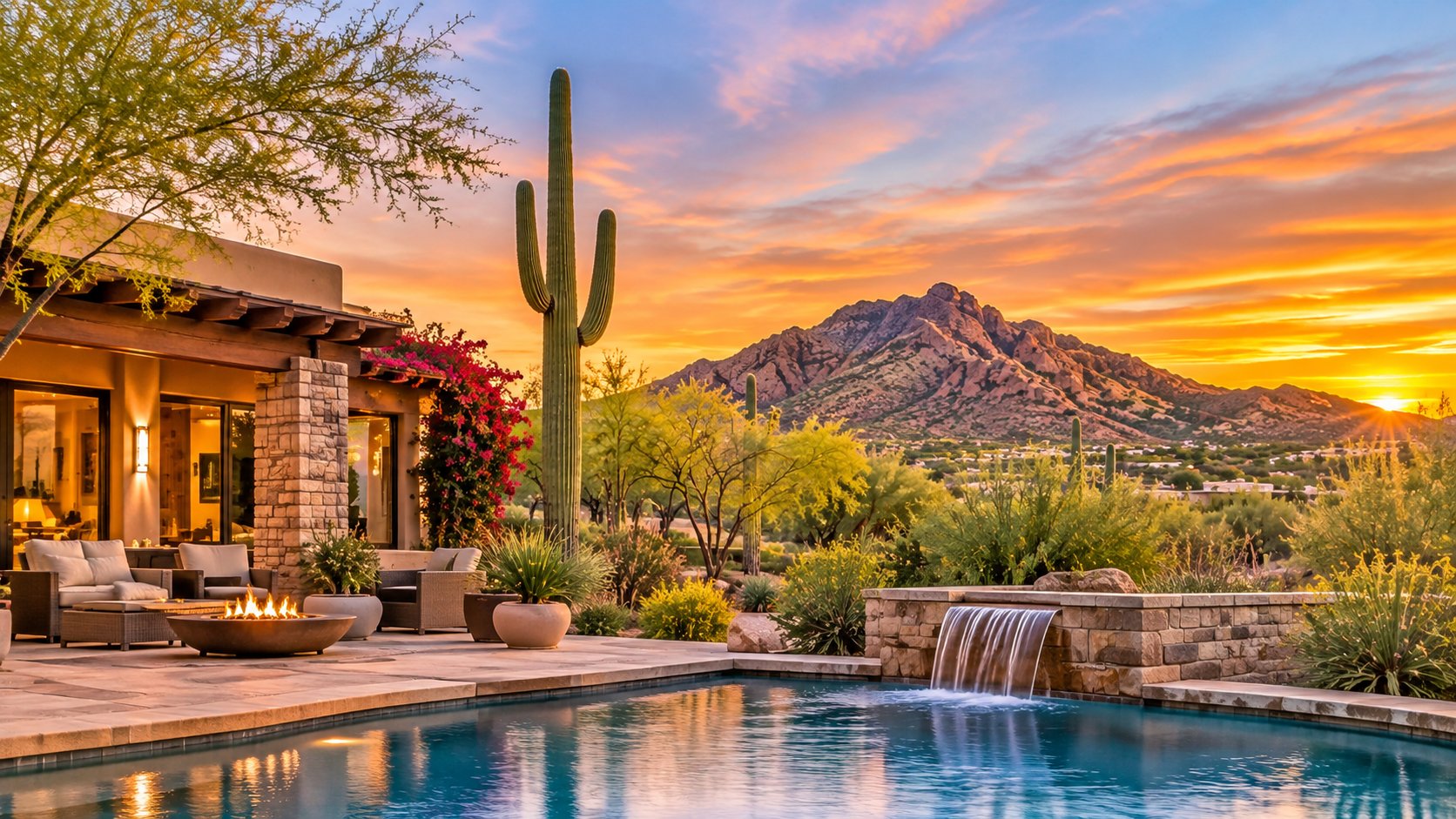
Purchasing a luxury home in Scottsdale is an exciting milestone. From expansive desert estates and private golf course residences to contemporary homes with resort-inspired outdoor spaces, the area offers properties designed around comfort, privacy, and an elevated lifestyle.
However, the purchase price is only one part of the financial commitment.
Owning a high-end property involves ongoing expenses that can vary significantly depending on its size, location, age, construction, amenities, and maintenance requirements. A home with a large pool, extensive landscaping, guest casita, smart-home technology, and custom finishes may require a different ownership budget than a smaller luxury residence in a low-maintenance community.
For buyers relocating to Scottsdale, purchasing a second home, or upgrading to a larger property, understanding these expenses before making an offer is essential. Property taxes, homeowners insurance, utilities, HOA fees, maintenance, and unexpected repairs can all influence the long-term cost of ownership.
A beautiful home should support the lifestyle a buyer wants without creating unnecessary financial pressure. Understanding the full cost of owning a luxury home in Scottsdale helps buyers make informed decisions, plan for ongoing responsibilities, and choose a property that aligns with their financial priorities.
The Purchase Price Is Only the Beginning
Luxury homebuyers often focus heavily on the asking price, down payment, and closing costs when evaluating a property. While these are important considerations, they do not represent the complete financial picture.
Once the transaction closes, homeowners become responsible for the property's ongoing operating expenses.
These costs can include:
Property taxes.
Homeowners insurance.
Mortgage payments, if applicable.
HOA or community association fees.
Electricity, water, gas, and internet.
Pool and landscaping maintenance.
HVAC servicing.
General repairs and replacements.
Security and smart-home system expenses.
Property management for seasonal residences.
The amount spent on each category depends on the property and how it is used.
For example, a luxury home occupied year-round may have different utility and maintenance patterns from a seasonal residence that remains vacant for several months. A gated community may include certain exterior services in its HOA fees, while a standalone estate may require the homeowner to arrange everything independently.
Before purchasing, buyers should estimate the recurring expenses associated with the specific property rather than relying on general assumptions about luxury homeownership.
Property Taxes in Scottsdale
Property taxes are among the most important recurring expenses to consider when purchasing a home in Scottsdale.
Arizona property taxes are based on assessed property values and applicable tax rates established by the relevant taxing jurisdictions. The amount owed depends on several factors, including the property's location, classification, valuation, and applicable exemptions.
One important distinction for buyers is that a property's purchase price and its taxable assessed value are not necessarily identical.
Arizona uses a valuation system that includes limited property value and full cash value. The property's classification also affects how its assessed value is calculated for tax purposes.
Buyers should review the current property tax information and understand that future tax amounts may change. A previous owner's tax bill should not automatically be treated as a guaranteed estimate of what the next owner will pay.
For higher-value properties, even a relatively small change in the applicable tax amount can affect the annual ownership budget.
Before closing, buyers should request the property's available tax information and consult the appropriate county assessor or a qualified tax professional if they have questions about valuation, classification, or potential exemptions.
Homeowners Insurance and Property Coverage
Insurance is another significant expense that luxury buyers should evaluate early in the purchasing process.
A high-end home may require more extensive coverage because of its replacement cost, custom materials, specialty features, and overall property value.
In Scottsdale, insurance considerations can include:
Dwelling Coverage
This helps protect the home's structure against covered losses. For luxury properties, the estimated cost of rebuilding may be considerably different from the property's market value.
Custom architecture, specialty finishes, imported materials, and high-end construction details can influence replacement costs.
Personal Property Coverage
Luxury homeowners may own valuable furniture, artwork, jewelry, collectibles, electronics, and other possessions. Standard policy limits may not provide sufficient coverage for every high-value item.
Some belongings may require scheduled coverage or additional protection.
Liability Coverage
Liability protection is particularly important for properties with swimming pools, guest accommodations, outdoor entertainment areas, and other features where visitors may be present.
Additional Structures
A property may include detached garages, guest houses, casitas, outdoor kitchens, storage buildings, or other structures that require appropriate coverage.
Buyers should obtain insurance estimates before finalizing their purchase. Premiums and coverage availability can vary based on the property's construction, location, claims history, age, roof condition, and other underwriting factors.
It is also worth reviewing exclusions, deductibles, and coverage limits rather than comparing policies based only on the annual premium.
Utilities Can Add Up in a Large Luxury Home
Scottsdale's desert climate makes energy management an important part of homeownership.
During warmer months, air conditioning systems work hard to maintain comfortable indoor temperatures. Larger homes with expansive windows, multiple living areas, high ceilings, and guest spaces may require more energy to cool than smaller properties.
The property's design and construction can make a meaningful difference in utility expenses.
Factors that may influence energy consumption include:
Total interior square footage.
Window size, orientation, and efficiency.
Insulation and air sealing.
Ceiling height and architectural design.
Number and efficiency of HVAC systems.
Smart thermostat settings.
Occupancy patterns.
Pool heating and other specialty equipment.
Water usage is another consideration. A large property with extensive landscaping, multiple bathrooms, a swimming pool, and outdoor water features may have higher water expenses.
Buyers should request available utility information from the seller when possible. Reviewing historical bills can help establish a more realistic estimate of the property's operating costs.
For newer or recently renovated homes, it may also be useful to review documentation about energy-efficient windows, HVAC equipment, insulation, and other improvements.
HVAC Maintenance Is Essential in Arizona
In Scottsdale, a reliable heating and cooling system is more than a convenience. It is an important part of maintaining the home's comfort and protecting its interior.
Luxury homes may have multiple HVAC units or zoned systems designed to regulate temperatures in different parts of the property. These systems can provide greater control, but they may also require more specialized servicing.
Routine maintenance can include:
Replacing air filters.
Cleaning coils and system components.
Inspecting condensate drains.
Checking refrigerant levels when appropriate.
Testing thermostats and controls.
Inspecting ductwork.
Scheduling professional system maintenance.
The age, condition, and efficiency of the equipment should be evaluated before purchasing.
If the home has multiple systems, buyers should ask for service records and identify whether any units may need replacement in the near future.
An older system that appears functional during a showing may still represent a significant future expense.
It is also important to understand whether the home uses conventional HVAC equipment, a specialized system, or integrated smart-home controls. Replacement and repair costs can vary depending on the equipment and availability of qualified technicians.
Pool and Outdoor Living Maintenance
Outdoor living is one of the defining features of many luxury homes in Scottsdale.
Pools, spas, outdoor kitchens, fire features, covered patios, and landscaped entertaining areas can make a property feel like a private resort. However, these amenities also introduce recurring maintenance responsibilities.
Swimming Pool Maintenance
A swimming pool requires regular cleaning, water balancing, equipment inspections, and ongoing care. Depending on the property's setup, homeowners may also need to budget for professional pool service, repairs, and equipment replacement.
Pool pumps, filters, heaters, automation systems, and lighting can all require maintenance over time.
Spa and Water Features
Spas and decorative water features may involve additional electricity, water treatment, cleaning, and equipment expenses.
Outdoor Kitchens
Outdoor appliances, grills, refrigerators, and plumbing fixtures should be cleaned and inspected regularly. Exposure to heat, dust, and outdoor conditions can affect their performance and lifespan.
Fire Features
Outdoor fireplaces and fire pits may require cleaning, fuel, and periodic inspections. Gas connections and ignition systems should be maintained appropriately.
The more extensive the outdoor amenities, the more important it becomes to understand the cost of keeping them in good condition.
Before purchasing, buyers should ask whether pool and outdoor equipment has been serviced recently and whether any repairs or replacements are recommended.
Landscaping and Desert Yard Maintenance
Scottsdale's desert environment offers a distinctive landscape, but desert landscaping does not mean a property requires no maintenance.
Luxury homes may include mature trees, native plants, decorative gravel, artificial turf, irrigation systems, outdoor lighting, and carefully designed gardens.
These features contribute to the property's appearance and outdoor experience, but they require ongoing care.
Landscaping expenses may include:
Regular trimming and pruning.
Weed and debris removal.
Irrigation system inspections.
Tree care and occasional replacement.
Pest management.
Seasonal plant maintenance.
Gravel and decorative ground-cover replacement.
Outdoor lighting repairs.
Properties with extensive grounds or mature landscaping may require professional landscape services.
Buyers should also inspect irrigation systems for leaks, damaged valves, and inefficient watering patterns. Even small problems can result in unnecessary water expenses or damage to plants.
A property with desert-adapted landscaping may have different maintenance requirements from one with extensive grass, elaborate gardens, or water-intensive features.
Understanding the existing landscape design can help buyers estimate the time and money required to maintain the property.
HOA Fees and Community Association Expenses
Some Scottsdale luxury homes are located in gated communities, golf neighborhoods, condominium developments, or planned residential communities with homeowners associations.
HOA fees are an important part of the ownership budget because they can cover services and amenities that homeowners might otherwise pay for independently.
Depending on the community, fees may contribute to:
Shared landscaping and common area maintenance.
Private roads and entry gates.
Community pools and fitness facilities.
Clubhouses and recreational amenities.
Exterior maintenance in certain developments.
Security-related services.
Association management and administrative expenses.
The amount varies considerably from one community to another.
A luxury condominium may have a different fee structure from a detached home in a gated neighborhood. Communities with extensive amenities or significant shared maintenance responsibilities may also have higher fees.
Buyers should look beyond the monthly or quarterly payment and understand what the association actually provides.
It is equally important to review the association's financial health. Budget information, reserve funding, meeting minutes, and special assessment history can help identify potential future expenses.
Special assessments are additional charges that may be imposed to cover major repairs, unexpected expenses, or projects that are not adequately funded through regular HOA fees.
A community with attractive amenities should also have a clear plan for maintaining them.
Repairs, Replacements, and Long-Term Maintenance
Every home requires maintenance, but luxury properties may have more complex systems, custom finishes, and specialized features.
A property can look immaculate during a showing while still having components that are approaching the end of their useful life.
Buyers should evaluate the age and condition of major systems before purchasing, including:
Roofing
Roof materials, installation quality, exposure, and maintenance history influence long-term performance. Buyers should review available records and address any concerns identified during inspection.
Windows and Doors
Large glass panels, custom doors, and specialty window systems may require professional repairs or replacement. Seals, hardware, and operation should be checked.
Plumbing
Luxury homes may include multiple bathrooms, specialty fixtures, outdoor showers, water filtration systems, and extensive plumbing networks. Leaks and aging components should be addressed promptly.
Electrical Systems
Smart-home equipment, lighting controls, entertainment systems, and specialty appliances may require specialized maintenance or upgrades.
Appliances
High-end kitchen appliances can be expensive to repair or replace, particularly when they involve custom installation or specialized components.
Interior Finishes
Natural stone, hardwood flooring, custom cabinetry, specialty paint, and other premium materials may require specific cleaning products and maintenance techniques.
A professional home inspection can help identify visible concerns, but buyers may also need additional evaluations for specialized systems, pools, roofing, or other property features.
It is wise to consider the property's age and maintenance history when estimating future expenses.
Smart-Home Technology and Security Costs
Many luxury properties in Scottsdale include integrated technology designed to improve convenience, comfort, and security.
Features may include automated lighting, smart thermostats, motorized window coverings, whole-home audio, surveillance cameras, access controls, and centralized home automation systems.
These features can enhance the ownership experience, but they may also involve recurring expenses.
Potential costs include:
Security monitoring subscriptions.
Smart-home software or service subscriptions.
Internet and networking equipment.
System updates and technical support.
Replacement of cameras, sensors, and controllers.
Maintenance of automated lighting and climate systems.
Some technology may also become outdated over time. Buyers should understand whether the equipment is supported, whether subscriptions are transferable, and whether specialized technicians are needed for repairs.
For seasonal homeowners, remote monitoring can be especially valuable. However, the system should be tested and properly configured before the property is left vacant.
A well-maintained smart-home system can provide convenience, but buyers should include its operating and replacement costs in their ownership budget.
Property Management for Seasonal and Second-Home Owners
Scottsdale attracts buyers who plan to use their homes seasonally rather than live in them throughout the year.
For these owners, property management or home watch services can be an important part of protecting the investment.
A vacant luxury home still needs attention. Air conditioning systems, plumbing, landscaping, pools, security equipment, and other features should be monitored even when the owner is away.
Depending on the property and service agreement, a home watch or property management provider may coordinate:
Routine property inspections.
Visual checks for leaks or water damage.
HVAC monitoring.
Pool and landscaping services.
Mail and package management.
Security system checks.
Contractor access.
Emergency maintenance coordination.
The level of service varies, so buyers should understand what is included before hiring a provider.
Some homeowners prefer to coordinate individual vendors themselves. Others value having one point of contact responsible for overseeing the property.
The right approach depends on the amount of time the owner spends in Arizona, the home's complexity, and the owner's comfort with managing maintenance remotely.
Mortgage Payments and Financing Expenses
For buyers who finance their luxury home, mortgage payments are another major component of ownership costs.
Higher-priced properties may require jumbo financing, depending on the loan amount and applicable conforming loan limits.
The monthly mortgage payment may include principal and interest, while property taxes and homeowners insurance may be paid separately or through an escrow account.
Buyers should compare available financing options and understand how the loan structure affects their monthly obligations.
Important factors include:
Interest rate and loan term.
Down payment amount.
Loan origination and lender fees.
Monthly principal and interest.
Property tax and insurance expenses.
Cash reserve requirements.
Potential rate adjustments for adjustable-rate mortgages.
A larger down payment may reduce the loan balance and monthly payment, but it also means committing more capital to the property.
Cash buyers avoid mortgage interest and required principal payments, but they still need to account for taxes, insurance, maintenance, and other expenses.
The best approach depends on the buyer's financial circumstances and long-term priorities. A qualified lender and financial advisor can help evaluate the options.
Closing Costs and Initial Move-In Expenses
The financial commitment begins before the first mortgage payment or maintenance bill arrives.
Luxury homebuyers should prepare for transaction-related costs and initial expenses associated with moving into the property.
Depending on the transaction, closing costs may include:
Title and escrow charges.
Recording fees.
Lender-related expenses, when financing is used.
Appraisal and inspection costs.
Prepaid property taxes.
Homeowners insurance premiums.
Other contractual or transaction expenses.
After closing, buyers may also choose to invest in furniture, window treatments, landscaping adjustments, security upgrades, smart-home integration, or other improvements.
Luxury properties can have custom dimensions and specialty features that require more planning when furnishing or updating the home.
Buyers relocating from another state should also consider moving expenses, temporary accommodations, storage, and transportation.
Creating a separate budget for closing and initial setup costs can help prevent these expenses from affecting funds intended for ongoing ownership.
Build a Realistic Luxury Home Maintenance Reserve
One of the most useful financial habits for luxury homeowners is setting aside money for future maintenance and unexpected repairs.
Even well-maintained homes experience wear and tear. Equipment eventually needs replacement, outdoor features require servicing, and unexpected problems can arise.
A maintenance reserve provides financial flexibility when these expenses occur.
Rather than relying on a universal percentage of the home's value, buyers should consider the actual property characteristics.
A useful starting point is to evaluate:
The age and condition of major systems.
The size and complexity of the property.
Pool and landscaping requirements.
The number of specialty features.
Recent inspection findings.
Upcoming equipment replacements.
The cost of maintaining similar properties.
For example, a recently renovated home with modern systems may have different near-term maintenance needs from an older custom estate with original equipment.
A reserve should reflect the property's actual condition and expected maintenance schedule.
Buyers should also distinguish between routine maintenance expenses and major capital improvements. Replacing an HVAC system or renovating an outdoor kitchen may require a separate financial plan.
How the Cost of Ownership Affects Resale Value
The cost of owning a luxury home can also influence its future marketability.
Buyers considering resale should think about whether the property's ongoing expenses are reasonable for its location, size, and features.
Some amenities may attract a specific group of buyers, while others may introduce maintenance responsibilities that not every buyer wants.
For example, an expansive outdoor entertainment area may be appealing to someone who enjoys hosting guests. However, a buyer seeking a low-maintenance seasonal residence may prefer a smaller, more manageable outdoor space.
HOA fees can also affect a property's appeal, particularly when they are significantly higher than those of comparable communities without a clear difference in services or amenities.
The condition of major systems, quality of maintenance, and availability of service records can also influence buyer confidence.
A property that has been consistently maintained may be easier to present and evaluate when it eventually returns to the market.
However, not every improvement or amenity guarantees a higher resale price. Buyers should consider the local market, property type, neighborhood expectations, and likely future buyer preferences.
Questions to Ask Before Buying a Luxury Home in Scottsdale
Before making an offer, buyers should ask questions that reveal the property's actual operating costs and future maintenance needs.
Consider asking:
What were the property's average monthly utility expenses over the past year?
How old are the HVAC systems, and when were they last serviced?
What are the current annual property taxes?
What does the homeowners insurance policy typically cost?
Are there HOA fees, and what services do they cover?
Have any special assessments been approved or discussed?
What are the average pool and landscaping maintenance expenses?
Are there major repairs or replacements recommended?
Does the home include smart-home or security subscriptions?
If the property is seasonal, what maintenance services will be needed while it is vacant?
Buyers should request supporting documentation when available. Utility bills, service records, warranties, HOA documents, and insurance estimates can help create a more accurate ownership budget.
The answers may also help buyers compare two properties that appear similar in price but have very different ongoing expenses.
Work With a Local Real Estate Professional Who Understands the Full Picture
Evaluating the true cost of a luxury home requires more than reviewing its listing price.
Buyers need to understand how location, property condition, amenities, community rules, and ongoing maintenance responsibilities affect the ownership experience.
An experienced local real estate professional can help identify questions to ask, review available property information, compare neighborhood options, and coordinate with other professionals involved in the transaction.
For buyers considering Scottsdale luxury real estate, local knowledge can be particularly valuable. A home in a gated community may have a different cost structure from a standalone estate. A property with extensive landscaping and outdoor amenities may require a different maintenance budget from a lock-and-leave residence.
The right guidance helps buyers evaluate not only what a property offers but also what it will take to own and maintain it.
Make Sure the Lifestyle Fits the Financial Commitment
A luxury home should be enjoyable, comfortable, and aligned with the owner's financial goals.
Scottsdale offers a variety of properties designed around different lifestyles, from low-maintenance residences to expansive custom estates with extensive amenities.
Each comes with a different set of responsibilities.
Understanding property taxes, insurance, utilities, HOA fees, maintenance, financing, and long-term reserves helps buyers make decisions with fewer surprises.
The most expensive home is not necessarily the best fit, and the lowest-maintenance property is not automatically the right choice.
The ideal purchase is one that balances location, lifestyle, property features, and long-term affordability.
When buyers understand the complete cost of ownership before making an offer, they can enjoy their Scottsdale home with greater confidence and a clearer financial plan.
Buying a luxury home in Scottsdale is about more than finding the right property. It is also about understanding the ongoing expenses, maintenance responsibilities, and financial considerations that come with ownership.
Working with an experienced Scottsdale Real Estate Agent can help buyers evaluate properties beyond the asking price, compare neighborhoods, and identify important questions before making a purchase.
Connect with Denise McManus, Scottsdale Real Estate Agent, for guidance on navigating the luxury market and finding a home that aligns with your lifestyle, financial priorities, and long-term goals.
Q&A:
Q: How much does it cost to maintain a luxury home in Scottsdale?
A: Costs vary depending on the property's size, age, condition, amenities, and maintenance requirements. Buyers should account for landscaping, pool service, HVAC maintenance, utilities, insurance, repairs, and any applicable HOA fees.
Q: Are property taxes higher for luxury homes in Scottsdale?
A: Higher-value properties may have higher property tax obligations, but the actual amount depends on assessed value, property classification, location, and applicable tax rates. Buyers should review the property's current tax information before purchasing.
Q: How much does homeowners insurance cost for a luxury home?
A: Insurance premiums depend on factors such as replacement cost, construction, location, property features, coverage limits, and claims history. Buyers should obtain property-specific estimates rather than relying on a general average.
Q: Are utilities expensive for large homes in Scottsdale?
A: Utility expenses can be significant, particularly during hot months when air conditioning systems operate frequently. Square footage, insulation, window efficiency, HVAC equipment, pool systems, and water usage can all influence monthly costs.
Q: Does a luxury home with a pool require a lot of maintenance?
A: A pool requires regular cleaning, water treatment, equipment inspections, and occasional repairs. Heated pools and additional water features may introduce further electricity and maintenance expenses.
Q: What expenses should seasonal homeowners in Scottsdale expect?
A: Seasonal homeowners should budget for property checks, landscaping, pool maintenance, HVAC servicing, security monitoring, utilities, and potential property management or home watch services while they are away.
Q: Do HOA fees cover all exterior maintenance?
A: Not necessarily. Coverage depends on the community and its governing documents. Some associations maintain shared landscaping and common areas, while others cover certain exterior building components. Buyers should confirm exactly what is included.
Q: Should I create a maintenance reserve for my luxury home?
A: Yes. Setting aside funds for routine upkeep, unexpected repairs, and major equipment replacements can help homeowners manage expenses without disrupting other financial priorities. The appropriate amount depends on the property's condition and features.
Q: Is buying a newer luxury home less expensive to maintain?
A: Newer homes may have more modern systems and fewer immediate repair needs, but they still require ongoing maintenance. Buyers should evaluate construction quality, warranties, equipment, landscaping, and inspection findings rather than assuming a newer property will always cost less to maintain.
Q: What should I review before purchasing a luxury home in Scottsdale?
A: Buyers should review property taxes, insurance estimates, utility history, HOA documents, maintenance records, inspection findings, warranties, and the condition of major systems. These details help establish a more realistic picture of the property's total ownership cost.