What Makes a Scottsdale Luxury Home Worth Its Asking Price?
Scottsdale Luxury Home Value: What Buyers Should Look For
For luxury buyers, understanding what makes a home worth its asking price requires looking beyond its most obvious features. The value of a Scottsdale luxury home is influenced by its location, setting, construction quality, design, outdoor living spaces, amenities, and overall condition. Market conditions and comparable sales also play an important role.
A well-priced luxury property should offer more than an impressive presentation. It should provide a combination of lifestyle benefits, practical functionality, and characteristics that support its position in the market. Knowing how to evaluate those elements can help buyers make informed decisions and recognize when a property represents genuine value.
Location Is One of the Strongest Drivers of Value
Location remains one of the most important factors influencing luxury home values in Scottsdale. Even within the same general area, two properties can have significantly different levels of desirability based on their surroundings, accessibility, views, and neighborhood characteristics.
A home in a well-established luxury community may benefit from maintained streetscapes, attractive surroundings, convenient access to dining and shopping, and proximity to recreational amenities. Communities such as Silverleaf, DC Ranch, Desert Mountain, and Estancia each offer distinct environments and lifestyle experiences that appeal to different buyers.
However, a recognizable neighborhood name does not automatically make every property within it worth its asking price. Buyers should consider the specific location of the home within the community.
Factors worth evaluating include:
Proximity to major roads, shopping, restaurants, and everyday conveniences.
Access to golf courses, hiking trails, and recreational amenities.
Privacy from neighboring properties and surrounding streets.
Mountain views, city views, or desirable natural surroundings.
The overall condition and reputation of the surrounding community.
A property with a desirable setting can offer advantages that cannot easily be recreated through renovations. This is especially important in the luxury market, where buyers often prioritize location and lifestyle just as much as the home itself.
Architecture and Design Should Reflect Lasting Quality
Luxury design is not simply about making a home look expensive. The strongest properties combine architectural character, thoughtful layouts, quality materials, and details that contribute to a cohesive living experience.
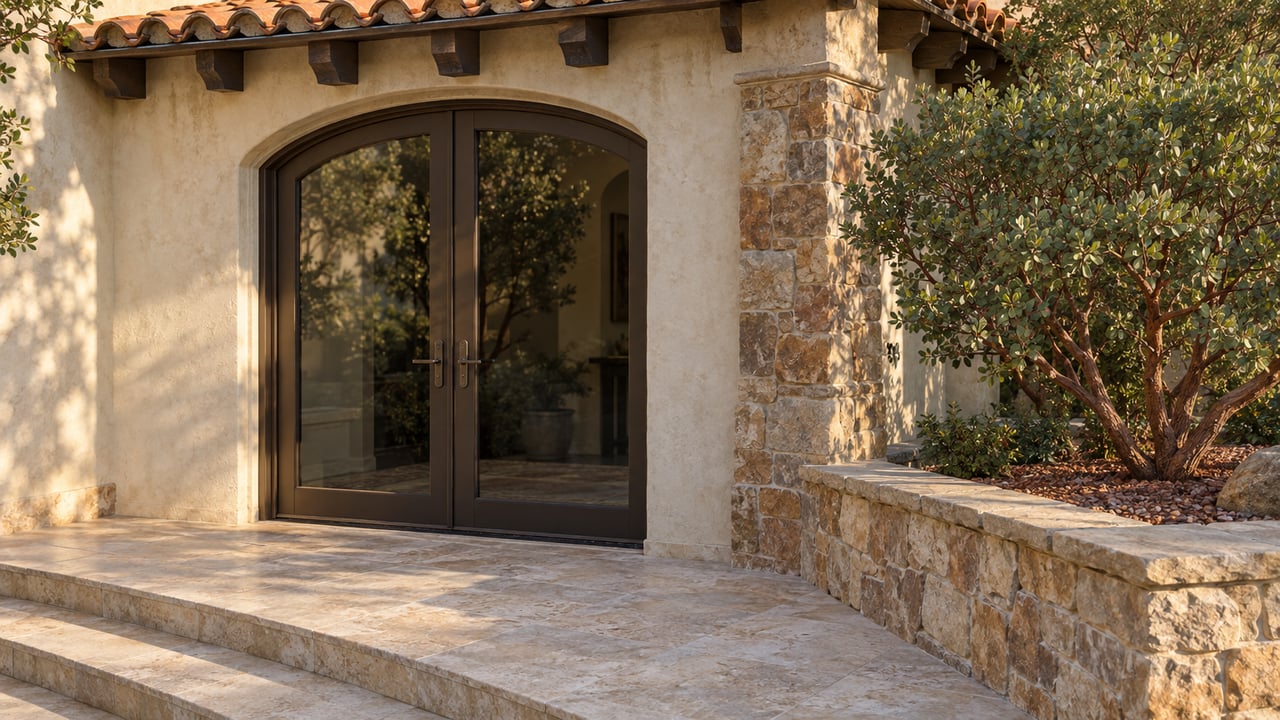
In Scottsdale, architecture often responds to the surrounding desert landscape. Contemporary desert homes, modern estates, and Spanish-inspired properties can all appeal to luxury buyers when their design is intentional and well executed.
The quality of the architecture should be evident both inside and outside the home. Buyers should look at how the property connects its living spaces, how natural light enters the rooms, and whether the design makes the most of the surrounding views.
Important details include:
Ceiling heights and room proportions.
Natural light and window placement.
Quality of flooring, cabinetry, countertops, and fixtures.
Consistency of materials and finishes throughout the home.
Functional transitions between indoor and outdoor spaces.
Architectural details that give the property a distinctive identity.
A home with timeless design and quality craftsmanship may remain appealing longer than one built around highly specific trends. Buyers should distinguish between finishes that create an immediate visual impression and construction details that contribute to the property's overall quality.
Construction Quality Matters More Than Expensive Finishes
A beautifully staged home can create a strong first impression, but the condition and quality of its construction deserve just as much attention.
Luxury buyers should look beyond decorative upgrades and consider the systems and materials that support the property. A home with premium appliances and designer lighting may still require significant investment if its roof, plumbing, electrical systems, or HVAC equipment are aging.
Construction quality can influence future maintenance expenses, comfort, and the overall ownership experience.
During a property evaluation, buyers should consider:
The age and condition of the roof.
HVAC system performance and maintenance history.
Plumbing and electrical systems.
Window quality, insulation, and energy efficiency.
Foundation and structural condition.
Workmanship in kitchens, bathrooms, and custom installations.
Records of renovations, repairs, and major improvements.
A professional home inspection is particularly important when purchasing a high-value property. Depending on the home, additional evaluations may be appropriate for roofing, pools, landscaping, drainage, or specialized equipment.
The goal is to understand what the asking price includes and whether the property's condition supports that price. A home that has been consistently maintained may offer more practical value than one with impressive cosmetic upgrades but unresolved maintenance concerns.
Outdoor Living Can Add Significant Lifestyle Value
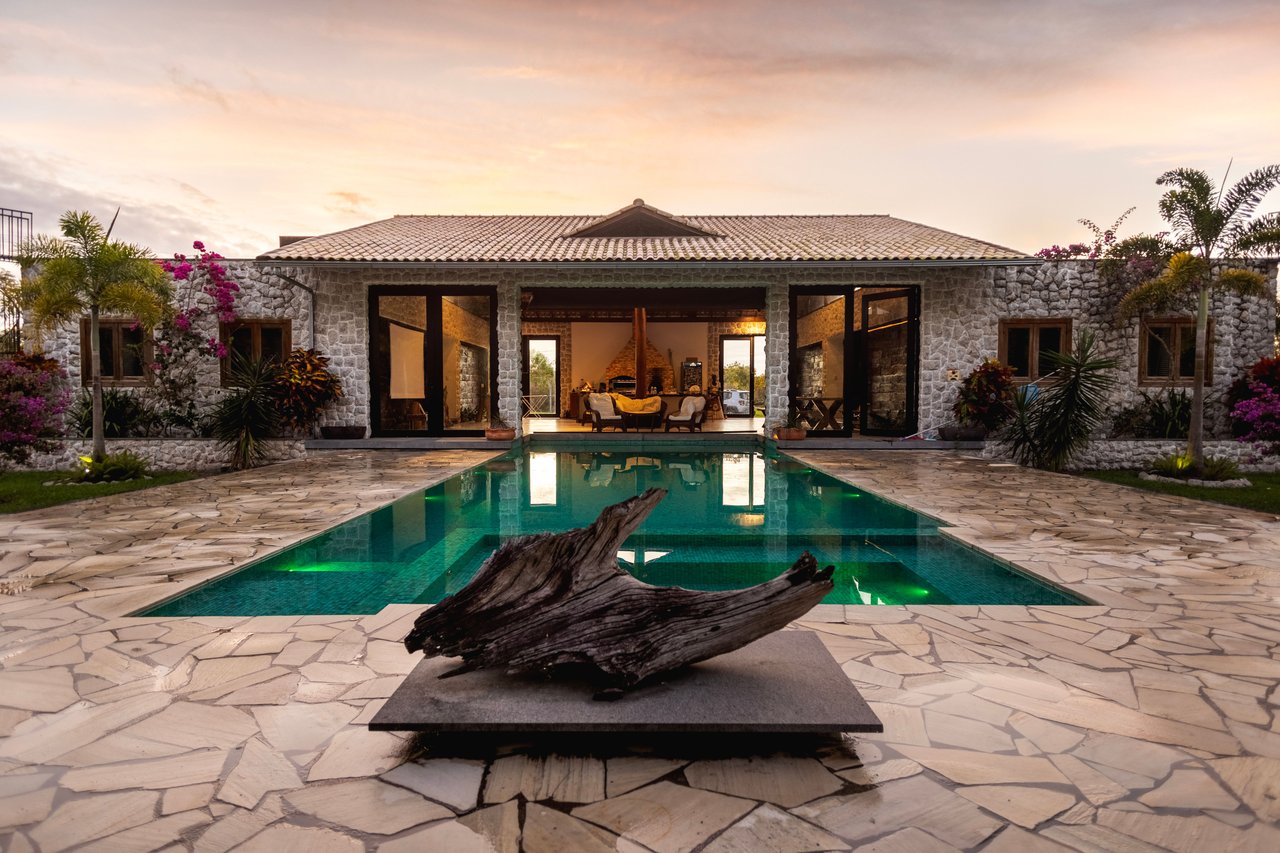
Outdoor living is an important part of the Scottsdale lifestyle. With the region's desert scenery and opportunities to enjoy outdoor spaces throughout much of the year, a well-designed backyard can make a luxury property considerably more appealing.
However, not every pool, patio, or outdoor kitchen adds the same level of value. The quality of the design, usability of the space, privacy, and connection to the home's interior all matter.
A thoughtfully designed outdoor environment may include:
A pool and spa that complement the property's layout.
Covered patios and shaded seating areas.
Outdoor kitchens and dining spaces.
Fire features and comfortable gathering areas.
Professionally designed desert landscaping.
Landscape lighting and irrigation systems.
Mountain or desert views that enhance the setting.
Buyers should consider whether the outdoor space is practical for everyday use, not just attractive in photographs. Shade, orientation, maintenance requirements, and privacy can all influence how enjoyable the space will be.
A backyard that feels like a natural extension of the home can strengthen its lifestyle appeal. In a market where buyers often prioritize entertaining, relaxation, and indoor-outdoor living, that experience can be an important part of a property's overall desirability.
Privacy and Lot Characteristics Can Set a Property Apart
In the luxury market, the land beneath a home can be just as important as the structure itself.
Lot size is one consideration, but usable space, positioning, topography, and privacy often provide a clearer picture of a property's value. A larger lot does not necessarily mean a better property if much of the land is difficult to use or does not support the buyer's preferred lifestyle.
Some buyers prioritize expansive grounds, while others prefer a manageable lot with exceptional views and a private outdoor environment.
Important lot characteristics include:
Distance from neighboring homes.
Elevation and views.
Orientation and sun exposure.
Usable outdoor space.
Landscaping and natural features.
Potential limitations related to easements or community restrictions.
Room for future improvements, where permitted.
A property positioned on a premium lot may have advantages that are difficult to duplicate. For example, an elevated homesite with unobstructed mountain views may offer a different level of appeal than a similarly sized property surrounded by neighboring structures.
Privacy also deserves careful consideration. Buyers should evaluate sightlines from neighboring homes, nearby roads, community spaces, and outdoor gathering areas.
These details can have a meaningful impact on the experience of living in the property and may help explain differences in pricing between otherwise comparable homes.
Amenities Should Match the Buyer's Lifestyle
Luxury homes often feature amenities designed to make everyday living more comfortable and convenient. These may include home theaters, wine rooms, fitness spaces, temperature-controlled garages, guest casitas, smart-home systems, and resort-style pools.
While these features can increase a property's appeal, their value depends on how well they serve the needs of the next owner.
A private guest casita may be especially useful for buyers who frequently host family and visitors. A dedicated office may be important to an executive who works remotely. A well-designed fitness room may be more valuable to someone who prioritizes wellness than an elaborate entertainment space.
Buyers should evaluate amenities based on three questions:
Are the features functional? A room should serve a practical purpose, and specialized equipment should be in good working condition.
Are they well integrated into the home? Amenities should feel intentional rather than added simply to make the property appear more luxurious.
Will they matter to future buyers? Features with broader appeal may help a property remain competitive when it eventually returns to the market.
Smart-home technology also deserves attention. Automated lighting, climate control, security systems, and integrated entertainment can improve convenience, but buyers should understand the technology, compatibility, maintenance requirements, and potential upgrade costs.
The most valuable amenities are not necessarily the most expensive ones. They are the features that make the home more functional, comfortable, and aligned with the lifestyle it promises.
Comparable Sales Help Establish Whether the Price Is Supported
Even an exceptional property needs to be evaluated against the market. A luxury home may have outstanding finishes, a desirable location, and impressive amenities, but its asking price should still be supported by relevant market evidence.
Comparable sales provide an important starting point. These are recently sold properties with similar characteristics, such as location, size, lot features, condition, and overall quality.
However, luxury properties can be difficult to compare because no two estates are exactly alike. A home with a premium view, extensive renovations, a guest house, or an unusually private lot may require a more detailed evaluation than a standard comparison based on square footage.
Buyers should consider:
Recent closed sales in the same community or nearby areas.
Differences in lot size, views, and privacy.
Age, condition, and quality of construction.
Renovations and improvements completed by the seller.
Current competing listings.
Recent price reductions and the amount of time comparable homes spent on the market.
Active listings show what sellers are currently asking, but closed sales provide stronger evidence of what buyers have actually been willing to pay.
Days on market and price adjustments can also provide useful context. A property that has been available for an extended period may present an opportunity for negotiation, but the reason for its longer marketing period should be investigated. The asking price may be too ambitious, or the home may have characteristics that limit its buyer pool.
The objective is not simply to find the least expensive property. It is to determine whether the asking price reflects the home's actual position in the current market.
Future Ownership Costs Should Be Part of the Evaluation
The purchase price is only one part of owning a luxury home. Buyers should also consider the ongoing expenses associated with maintaining the property and its amenities.
Larger homes, extensive landscaping, pools, specialized equipment, and community amenities can create substantial recurring costs. These expenses should be considered before deciding whether a home fits the buyer's financial plans.
Potential ownership costs include:
Property taxes.
Homeowners insurance.
HOA or community fees.
Pool and landscape maintenance.
HVAC servicing and utility expenses.
Repairs and replacement of major systems.
Maintenance of guest houses, outdoor kitchens, and other specialized amenities.
Insurance deserves particular attention. Coverage availability, premiums, deductibles, and property-specific requirements can vary. Buyers should obtain insurance information early in the transaction rather than treating it as a final closing detail.
Community fees and restrictions should also be reviewed carefully. Some luxury neighborhoods offer extensive amenities and services, while others have different fee structures and responsibilities.
A home may be worth its asking price but still carry ownership expenses that do not align with a buyer's priorities. Understanding the full financial picture helps buyers evaluate the property more realistically.
A Luxury Home's Value Is the Combination of Its Features
Ultimately, no single feature determines whether a Scottsdale luxury home is worth its asking price. Its value comes from how its location, architecture, construction, lot, privacy, amenities, and condition work together.
A property may have a smaller floor plan but offer a superior lot and more desirable views. Another may have extensive upgrades but require significant maintenance. A third may command a premium because of its location within a sought-after community.
Luxury buyers should avoid making decisions based on price per square foot alone. That figure can provide context, but it does not fully account for the characteristics that make one property more desirable than another.
The strongest purchase decisions come from understanding both the home's tangible features and the lifestyle it offers, then comparing those qualities with current market evidence.
A luxury home should justify its price through a combination of quality, location, functionality, and market position. When those elements align, buyers can move forward with a clearer understanding of what they are purchasing and why the property may be worth the investment.
Finding the right luxury home in Scottsdale takes more than comparing listing prices. It requires understanding the details that influence value, recognizing the difference between attractive features and meaningful advantages, and evaluating each property within its local market.
Working with an experienced professional can help buyers assess those details and make decisions with greater confidence. Scottsdale Real Estate Agent Denise McManus brings together luxury real estate knowledge and structured finance experience to help clients navigate Scottsdale's property market with a thoughtful, informed approach.
Q&A:
Q: What makes a luxury home worth its asking price in Scottsdale?
A: Location, architectural quality, construction, lot characteristics, privacy, outdoor living, amenities, and comparable market sales all contribute to a property's value.
Q: Does a higher price per square foot mean a Scottsdale home is more valuable?
A: Not necessarily. Price per square foot is one comparison tool, but it does not fully account for views, lot quality, privacy, construction, or unique property features.
Q: Do mountain views increase a Scottsdale home's value?
A: Desirable mountain views can strengthen a property's appeal, particularly when they are unobstructed and paired with a well-positioned lot.
Q: Are luxury home upgrades always worth paying more for?
A: No. Upgrades are most valuable when they are well executed, functional, appropriate for the property, and likely to appeal to future buyers.
Q: How can buyers determine if a Scottsdale luxury home is overpriced?
A: Buyers should review recent comparable sales, competing listings, property condition, days on market, price adjustments, and the home's distinctive features.
Q: Should buyers get a home inspection when purchasing a luxury property?
A: Yes. A professional inspection can identify potential concerns involving major systems, structural components, and other areas that may require additional evaluation.
Q: What ongoing expenses should luxury homebuyers consider?
A: Buyers should account for property taxes, insurance, HOA fees, utilities, landscaping, pool maintenance, and repairs or replacement of major systems.