What to Look for During a Scottsdale Home Showing
Scottsdale Home Showing Tips for Smart Buyers
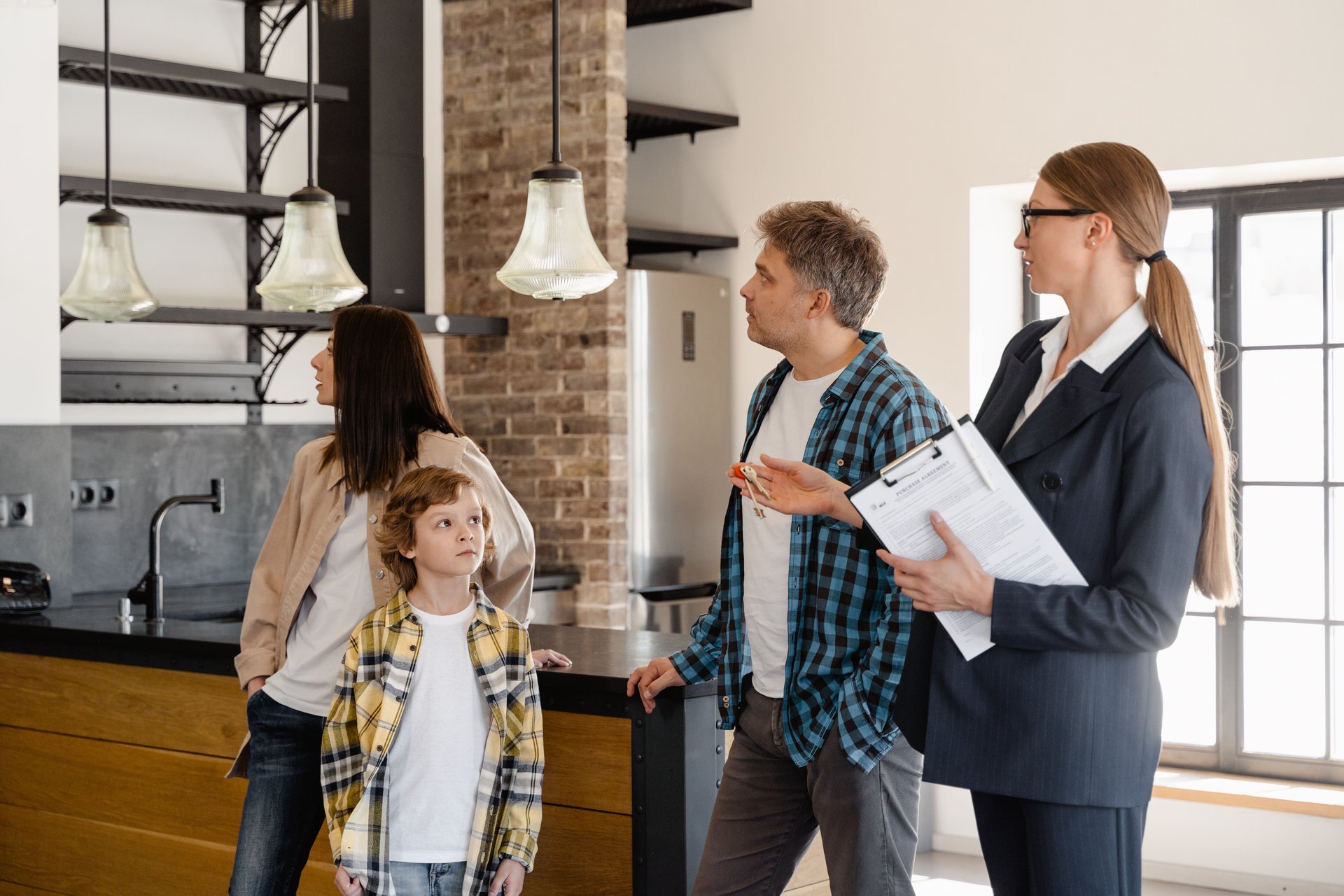
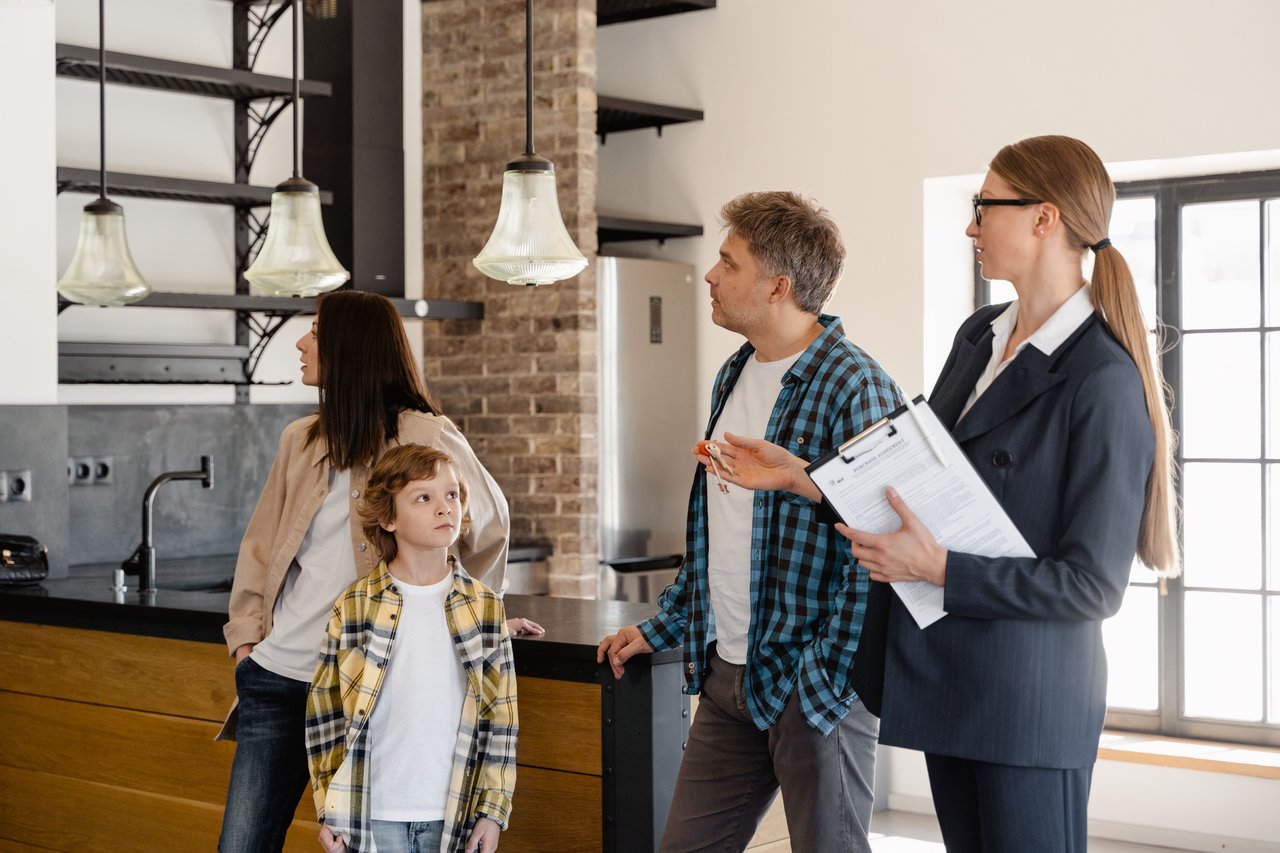
Walking into a Scottsdale home for the first time can be exciting.
The architecture catches your attention. The kitchen looks impressive. The backyard feels like a resort. Maybe there is a mountain view that immediately makes you want to make an offer.
But a beautiful first impression is only part of the story.
A successful home showing is an opportunity to look beyond the staging and understand how the property will actually work for your lifestyle. From the floor plan and natural light to the condition of the roof, HVAC system, pool, and outdoor spaces, there are details worth noticing before you decide whether a home deserves a closer look.
If you're shopping for a home in Scottsdale, here's what to pay attention to during your next showing.
1. Start With the Location, Not the Living Room
Before getting distracted by the finishes, consider where the home is located.
Scottsdale has dramatically different neighborhoods, and the lifestyle can change from one community to another.
Think about:
- Distance to work or school
- Access to major roads
- Nearby restaurants and shopping
- Golf courses and recreational amenities
- Hiking and outdoor activities
- Privacy and surrounding development
- Traffic and noise
A beautiful home in the wrong location can quickly become a frustrating purchase.
The neighborhood should work for your everyday life, not just look good during a showing.
2. Pay Attention to the Floor Plan
Square footage doesn't tell the whole story.
Two homes with the same amount of space can feel completely different depending on the layout.
As you walk through the property, think about how you would actually use each room.
Is there enough separation between bedrooms and entertaining areas?
Does the kitchen connect naturally to the living space?
Is there a practical home office?
Does the primary suite feel private?
Are there awkward hallways or rooms that are difficult to furnish?
A functional floor plan can be more valuable than an impressive number on the listing.
3. Look at Natural Light
Scottsdale is known for its abundant sunshine, so natural light can have a major impact on how a home feels.
Look at the direction of the windows and how sunlight enters the rooms.
Pay attention to whether certain spaces feel bright, shaded, or overly exposed.
Also consider how the light changes throughout the day. A home that looks beautiful during a midday showing may feel very different in the morning or evening.
4. Examine the Windows and Doors
Windows and doors can influence energy efficiency, comfort, noise, and long-term maintenance.
Look for visible signs of:
- Damaged frames
- Cracked glass
- Failed seals
- Difficulty opening or closing
- Excessive wear
- Gaps around doors
In Arizona's climate, quality windows and effective insulation can be especially important for maintaining indoor comfort.
These details may not be obvious in listing photos, but they can become significant after closing.
5. Don't Ignore the HVAC System
In Scottsdale, air conditioning isn't a luxury. It's an essential part of comfortable living.
During a showing, ask about the age and maintenance history of the HVAC systems.
If possible, look at:
- The age of the equipment
- Number of units
- Maintenance records
- Recent repairs
- Efficiency ratings
- Whether different areas of the home have separate controls
An older HVAC system doesn't automatically mean you should walk away. But it should factor into your evaluation and potential future expenses.
6. Study the Outdoor Space
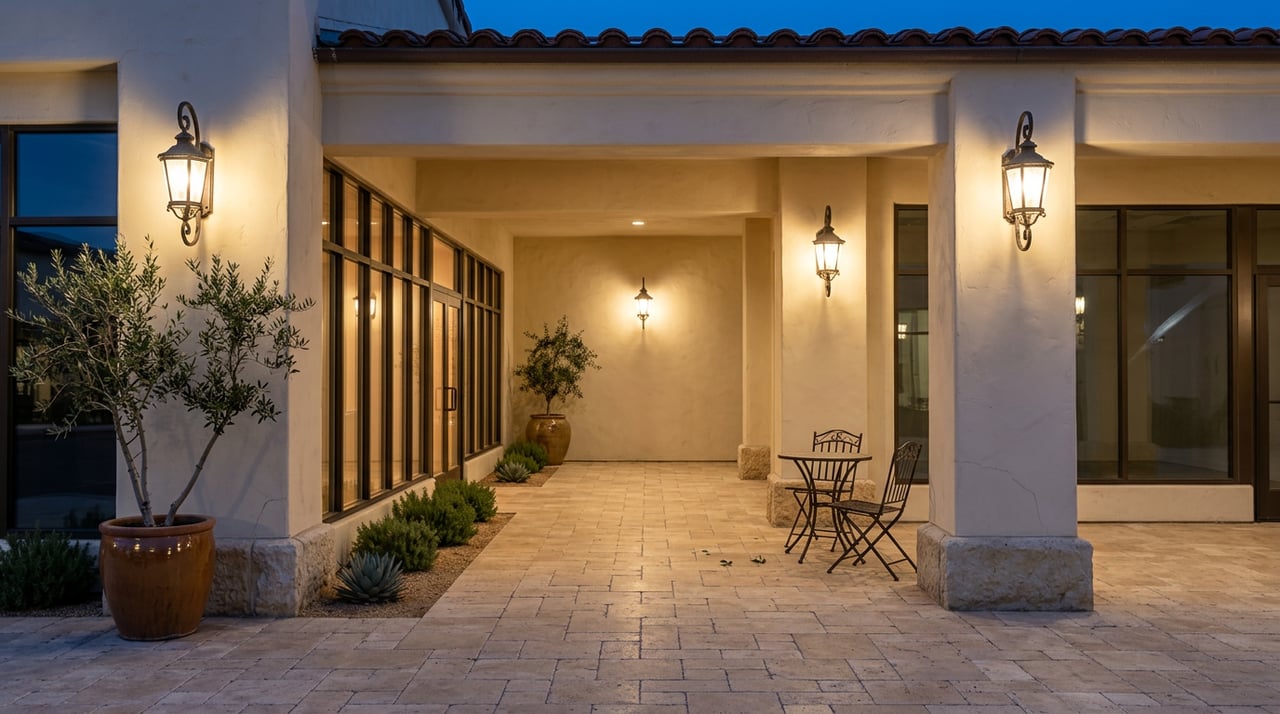
Outdoor living is one of Scottsdale's biggest lifestyle advantages.
Don't simply admire the pool and patio. Think about how you'll use them.
Ask yourself:
- Is there enough shade?
- Is the patio functional for entertaining?
- Does the pool receive too much or too little sun?
- Is the landscaping easy to maintain?
- Is there enough privacy?
- Are there mountain or sunset views?
- Is outdoor lighting adequate?
A backyard can be one of the most valuable features of a Scottsdale home, especially when it is designed for year-round entertaining.
7. Look Closely at the Pool
A resort-style pool can be a major selling point, but it also comes with maintenance and ownership costs.
During the showing, look at the overall condition of the pool and surrounding equipment.
Check for obvious signs of:
- Cracked decking
- Damaged finishes
- Worn equipment
- Water issues
- Outdated pumps or heaters
Ask about recent maintenance and repairs.
A pool can add tremendous lifestyle value, but buyers should understand the cost of maintaining it.
8. Check the Roof and Exterior
The roof may not be the first thing buyers notice, but it can be one of the most important.
Look for visible signs of wear, damaged materials, staining, or areas that appear recently repaired.
The same applies to exterior walls, stucco, drainage, patios, and landscaping.
You won't be able to identify every potential issue during a showing, which is why a professional inspection is essential. However, noticing obvious concerns early can help you ask better questions before moving forward.
9. Listen to the Home
Sometimes you need to stop looking and simply listen.
Is there traffic noise?
Can you hear neighboring homes?
Are mechanical systems unusually loud?
Does the property feel peaceful?
Sound can have a significant impact on your experience of a home, particularly in communities near major roads, entertainment districts, or busy intersections.
A quiet home during a showing may feel very different during rush hour, so consider visiting the area at different times when possible.
10. Check Storage
Luxury finishes are impressive, but storage is something you'll appreciate every day.
Open closets and cabinets.
Look at pantry space, garage storage, linen closets, and built-in cabinetry.
Think about whether the home can accommodate your belongings without making everyday spaces feel cluttered.
A beautiful home with inadequate storage can become frustrating surprisingly quickly.
11. Pay Attention to the Garage
In Scottsdale, garages can be more important than buyers initially realize.
Check the number of spaces, ceiling height, storage, lighting, and overall condition.
If you own larger vehicles or recreational equipment, make sure the garage actually works for your needs.
Also consider whether there is enough space for additional storage, a workshop, or other uses.
12. Look Beyond the Staging
Staging is designed to make a home look its best.
That's exactly why buyers should look beyond it.
Furniture placement can make a room appear larger. Decorative lighting can create warmth. Minimal belongings can make storage seem more generous.
Try to mentally remove the furniture and ask:
Would I still like the layout?
Would my furniture fit?
Is there enough functional space?
Does the home work without the styling?
The goal isn't to criticize staging. It's to see the property itself.
13. Consider Future Resale Appeal
Even if you're planning to stay for many years, resale value still matters.
Think about what future buyers may value.
Location, views, lot size, functional layouts, outdoor living spaces, updated major systems, and privacy can all contribute to long-term appeal.
Highly personalized features aren't necessarily bad, but buyers should understand whether they are investing in something broadly desirable or something that mainly reflects their own preferences.
14. Ask the Questions Photos Can't Answer
Listing photos can show you what a home looks like.
They can't tell you everything you need to know.
During a showing, ask questions about:
- Recent renovations
- Roof age
- HVAC age
- Pool equipment
- Utility costs
- HOA fees
- Property taxes
- Previous repairs
- Seller disclosures
- Neighborhood changes
The more informed you are before making an offer, the more confidently you can evaluate the property.
15. Don't Make the Decision on Emotion Alone
It's completely normal to fall in love with a home.
But before writing an offer, take a step back.
Ask yourself whether the property works financially, functionally, and geographically.
Does it fit your budget?
Does the location work?
Are there major expenses ahead?
Does the home support your lifestyle?
Would you still want it if the furniture and decor were removed?
The best purchase combines emotional appeal with practical analysis.
What a Showing Can Tell You, and What It Can't
A showing is an important first step, but it isn't a substitute for due diligence.
A showing can help you understand the home's layout, condition at a surface level, location, views, and overall feel.
A professional inspection can uncover issues that aren't visible during a casual walkthrough.
That distinction is important.
The purpose of a showing isn't to identify every hidden problem. It's to determine whether the home is worth investigating further.
The Bottom Line
The best Scottsdale home isn't necessarily the one that makes the strongest first impression.
It's the one that continues to make sense after you look closer.
Pay attention to location, layout, natural light, HVAC systems, outdoor living, pools, storage, views, privacy, and future resale appeal. Look beyond the staging and ask questions about the things you can't see.
Most importantly, take your time to understand how the property fits your lifestyle.
A beautiful home can catch your attention in seconds. A well-informed buyer knows what to look for after that first impression.
The right home showing should leave you with more than a feeling. It should give you the information you need to make a confident decision. Scottsdale Real Estate Agent Denise McManus helps buyers evaluate homes beyond the surface, from neighborhood fit and property condition to lifestyle potential and long-term value. If you're searching for a home in Scottsdale, Denise McManus can help you identify the details that matter before you make an offer.
Q&A:
Q: What should I look for first during a Scottsdale home showing?
A: Start with the location, neighborhood, floor plan, and overall condition. These factors can have a greater impact on your long-term satisfaction than cosmetic finishes.
Q: What should Scottsdale buyers pay special attention to?
A: HVAC systems, pools, outdoor spaces, windows, roofing, landscaping, and energy efficiency deserve particular attention because of Scottsdale's desert climate and outdoor-oriented lifestyle.
Q: Should I worry about an older HVAC system?
A: Not necessarily. An older system can still be well maintained and functional. However, its age and condition should be considered when evaluating potential future expenses.
Q: How important are outdoor spaces in Scottsdale?
A: Outdoor living can be extremely important to Scottsdale buyers. Patios, pools, shade structures, landscaping, views, and entertaining areas can significantly influence both lifestyle and property appeal.
Q: Can I identify problems during a home showing?
A: You can identify potential concerns, but a showing is not a substitute for a professional home inspection. If you are seriously considering a property, appropriate inspections and due diligence are essential.
Q: Should I visit a Scottsdale home more than once?
A: If possible, yes. Visiting at different times of day can help you understand traffic, noise, sunlight, neighborhood activity, and how the property feels beyond the initial showing.