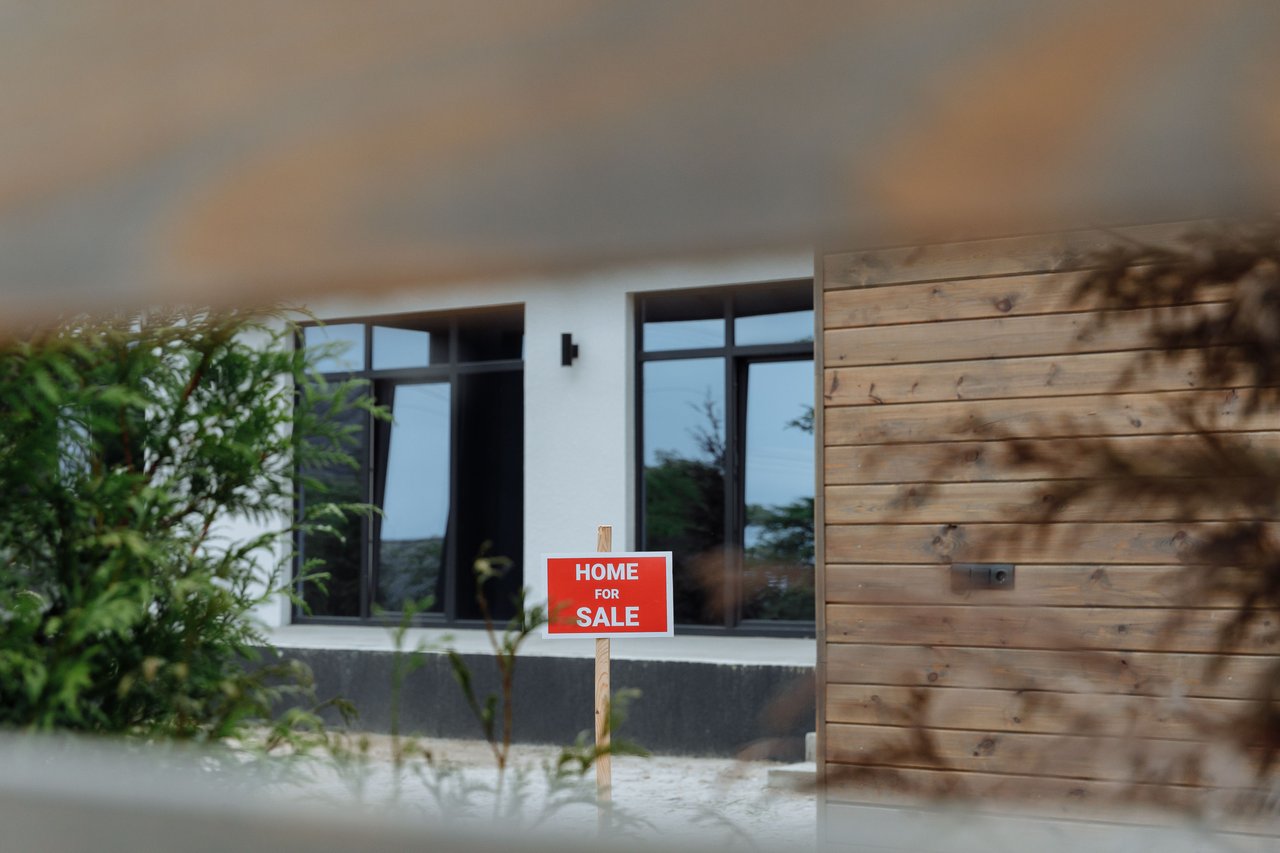
Why Pricing Your Home Correctly Matters Even More in Q4
How Buyer Selectivity, Competition, and Seasonal Timing Can Shape Your Sale
For Scottsdale homeowners considering a sale, Q4 brings a different market environment than the peak selling periods of spring and early summer. Buyers are still active, particularly as Scottsdale's weather becomes more inviting, but they may also be more selective about where they spend their time and money. At the same time, sellers are competing with properties that have remained on the market and newer listings entering the market with fresh positioning.
Current Scottsdale data illustrates why pricing strategy deserves careful attention. September 2026 data from Realtor.com showed a median sold price of $885,000, while the median listing price was $899,000. Homes spent a median of 78 days on the market. Other ARMLS-based Scottsdale data shows homes selling at roughly 97% to 98% of list price, reinforcing the importance of entering the market with a price that reflects current buyer expectations rather than simply relying on what a seller hopes the property is worth.
The lesson is not that every Scottsdale seller needs to price aggressively. The lesson is that Q4 rewards sellers who understand their property's position within the market and establish a price that gives buyers a compelling reason to act.
Q4 Buyers Have More Reasons to Be Selective
The fourth quarter does not necessarily mean that buyers disappear. In Scottsdale, the opposite can be true as cooler weather makes the area particularly attractive for seasonal residents, relocation buyers, second-home purchasers, and those looking to make a move before the new year.
What changes is the level of selectivity.
A buyer who has been watching the market for several months may already understand what their budget can purchase. They may have seen multiple homes, compared neighborhoods, monitored price reductions, and developed a strong sense of value.
That means an overpriced home has less room to hide.
When buyers see several comparable properties, they can quickly recognize when one listing appears overpriced relative to its condition, location, lot, views, amenities, or overall presentation.
Correct pricing helps a property enter that comparison on stronger footing.
The First Price Often Shapes the Entire Listing Strategy
A common misconception is that sellers can simply start high and adjust later.
There are situations where a higher initial price may be justified, particularly for a truly distinctive property with limited comparable inventory. But a strategic listing price should be based on evidence, not on an arbitrary premium designed to leave room for negotiation.
The initial launch is one of the most important opportunities a seller has.
When a property first comes to market, it receives attention from buyers, agents, online search platforms, and people who have been waiting for something similar to become available.
If the price is significantly above what the market supports, the property may attract attention without generating offers.
Over time, that creates a different problem.
The listing can begin to look stale.
Once buyers see a property sitting on the market for an extended period, they may assume there is a problem, even when the home itself is excellent. Some may wait for a price reduction instead of making an offer. Others may move on to newer listings.
A well-priced launch can help avoid that cycle.
Overpricing Can Cost More Than a Price Reduction
One of the biggest risks of overpricing is not simply having to reduce the price later.
It is losing the momentum that comes with a new listing.
Suppose a seller lists a home above its realistic market range and receives little activity during the first several weeks. Eventually, the seller reduces the price.
The property may now be competing with newer listings that buyers perceive as better opportunities.
The reduction may bring the home closer to market value, but the seller has already spent valuable time on the market without generating meaningful buyer engagement.
In some cases, the eventual sale price can be affected by the property's extended market time, especially when buyers begin negotiating from the assumption that the seller is motivated.
That is why the goal should not simply be to "leave room to negotiate." The goal is to create a price that attracts serious attention from the right buyers.
Scottsdale Is Not One Single Market
Another reason pricing matters in Q4 is that Scottsdale cannot be accurately evaluated using one citywide number.
A home in 85255 should not automatically be priced according to the same expectations as a home in 85251, 85258, 85260, or another Scottsdale ZIP code.
Even within the same ZIP code, property values can vary significantly.
Factors such as:
Lot size and usability
Mountain or golf course views
Privacy
Guard-gated or non-gated location
Renovation quality
Architectural style
Pool and outdoor living spaces
Proximity to dining, shopping, and recreation
HOA considerations
Age and condition of major systems
Floor plan and functional layout
Quality of landscaping
Street placement and surrounding properties
can all influence how buyers perceive value.
This is especially important at the luxury level, where two homes with similar square footage can command very different prices because the overall property experience is different.
A pricing strategy should therefore begin with the property itself, not simply the citywide median.
Q4 Makes Presentation and Pricing Work Together
Price cannot be separated from presentation.
A home may be appropriately priced, but if the photography, staging, landscaping, repairs, and marketing do not communicate that value, buyers may still hesitate.
The reverse is also true.
A beautiful presentation cannot always compensate for an unrealistic price.
The strongest Q4 strategy brings both together.
A seller should ask:
Does the home look like it belongs in this price range?
Does the condition support the asking price?
Does the outdoor living experience photograph and show well?
Are the home's strongest features immediately obvious?
Does the listing stand out against competing properties?
Would a buyer who has already toured several homes understand why this one deserves serious consideration?
These questions are particularly relevant in Scottsdale, where outdoor living, entertaining spaces, pools, landscaping, views, and desert surroundings can play a significant role in a property's appeal.
Buyers Are Paying Attention to Value, Not Just Price
Correct pricing does not necessarily mean being the least expensive comparable home.
In fact, pricing too low can create its own challenges.
The objective is to establish a price that aligns with the property's value and competitive position.
A luxury buyer may willingly pay more for a home with an exceptional lot, privacy, high-quality renovation, superior views, or a location that is difficult to replicate.
That is different from simply pricing a property above its competition because the seller believes the home deserves more.
The question should always be:
"What will make a qualified buyer believe this home is worth the asking price?"
That is a much stronger pricing question than:
"How much can we get?"
Price Reductions Should Be Strategic, Not Emotional
If a property does not receive the expected response, the answer is not always an immediate price reduction.
The seller and agent should first evaluate the feedback.
Is the price the primary issue?
Is the home being compared against stronger alternatives?
Is the marketing reaching the right buyers?
Does the property need better photography?
Is the staging working?
Are there condition issues buyers are noticing?
Is the home being marketed toward the wrong buyer profile?
Understanding the reason behind weak activity is essential.
However, if the evidence consistently indicates that the price is preventing buyers from engaging, a strategic adjustment can be far more effective than allowing the listing to sit unchanged.
A thoughtful price correction communicates that the seller is responding to the market rather than waiting for the market to conform to an unrealistic expectation.
The Q4 Advantage Is Timing With Preparation
There is a temptation to assume that selling in Q4 automatically means accepting a disadvantage.
That is not necessarily true.
Scottsdale's fall and winter seasons can bring renewed interest from buyers who appreciate the area's cooler weather and outdoor lifestyle. October can also be a useful transition period between the quieter summer months and the stronger seasonal activity that can develop later in the year.
But timing alone does not create a successful sale.
Preparation matters.
A seller who enters Q4 with a well-maintained property, compelling presentation, a thoughtful marketing strategy, and a market-supported price can be positioned very differently from a seller who simply puts a home on the market and waits for demand to find it.
The current market also gives sellers reason to pay attention to buyer sensitivity. Recent Scottsdale data shows meaningful variation across sources, but several reports point to a market where buyers have choices and sellers need to compete for attention.
That makes pricing discipline even more important.
The Goal Is Not to Predict the Perfect Price
No pricing analysis can guarantee the exact number a property will ultimately sell for.
Real estate is not a formula where square footage multiplied by a price-per-square-foot automatically produces the correct answer.
The most effective pricing strategy considers comparable sales, current competition, buyer behavior, property condition, location, market timing, and the features that make one home more desirable than another.
The goal is to establish a price that creates an opportunity.
A well-positioned property should make qualified buyers think, "This is worth seeing."
From there, presentation, negotiation, condition, and the overall strength of the property help determine the final result.
For Scottsdale sellers entering Q4, that first impression can be particularly important. The right price does not guarantee a sale, but the wrong price can make an otherwise exceptional property much harder to sell.
If you are considering selling your Scottsdale home before the end of the year, pricing should be part of the strategy from the very beginning. A thoughtful analysis can help determine how your property compares with current competition, where buyers are seeing value, and what positioning may create the strongest opportunity.
For guidance on pricing, preparation, and positioning your property for the Q4 Scottsdale market, connect with Scottsdale Real Estate Agent Denise McManus. Her expertise in Scottsdale luxury real estate and strategic client representation can help sellers make informed decisions based on the property and the market, not assumptions.
Q&A:
Q: Is Q4 a good time to sell a Scottsdale home?
A: Q4 can be a strong selling period for the right property, particularly when the home is prepared, well-positioned, and priced according to current market conditions. Scottsdale's seasonal appeal can attract buyers during the fall and winter months.
Q: Should a Scottsdale seller price high to leave room for negotiation?
A: Not necessarily. Pricing substantially above market value can reduce buyer interest and cause a listing to sit longer. A strategic price should reflect comparable properties, current competition, condition, location, and buyer expectations.
Q: How does an overpriced home affect the seller?
A: An overpriced home can receive fewer showings and offers, accumulate market time, and eventually require a price reduction. Extended market time can also influence how buyers perceive the property and the seller's negotiating position.
Q: Does the price per square foot determine a Scottsdale home's value?
A: No. Price per square foot can provide useful context, but it does not account for factors such as lot quality, views, privacy, renovation level, outdoor living, location, architecture, and overall condition.
Q: What should Scottsdale sellers review before setting a Q4 price?
A: Sellers should review recent comparable sales, current competing listings, property condition, buyer demand, days on market, neighborhood-specific activity, and the features that differentiate their property from competing homes.
Q: Should a seller automatically reduce the price if the home does not sell quickly?
A: Not automatically. The seller should first evaluate showing activity, buyer feedback, competing inventory, marketing performance, and whether the price is genuinely out of alignment with the market. A price adjustment should be strategic rather than emotional.