Is your yard working as hard as your home? In Fountain Hills, the right desert landscaping does more than look beautiful. It can lower water use, tame summer heat, and make buyers fall in love before they step inside. If you want curb appeal that also supports resale value, a purposeful desert design is one of the smartest upgrades you can make.
This guide shows you what works in our Sonoran Desert climate, which plants and materials deliver the best impact, and how to handle irrigation, permits, and HOA rules. You will also get quick, high‑ROI ideas you can tackle before listing. Let’s dive in.
Why desert landscaping boosts value in Fountain Hills
Buyers here expect a clean, intentional desert look. Neat rock or decomposed granite beds, a limited plant palette, and a strong focal point signal pride of ownership. That first impression can set the tone for the entire showing.
Functional benefits matter as much as looks. Properly sited shade trees on the south and west sides can cut cooling loads, and low‑maintenance plantings reduce weekly upkeep. Documented water savings also stand out in our arid market.
Avoid the “rock desert.” A yard covered in uniform gravel with no texture or plantings can feel harsh. Mix plant forms and colors, add a focal element, and scale pathways and lighting to your home for a balanced look buyers appreciate.
Design blueprint for curb appeal
Front yard simplicity and contrast
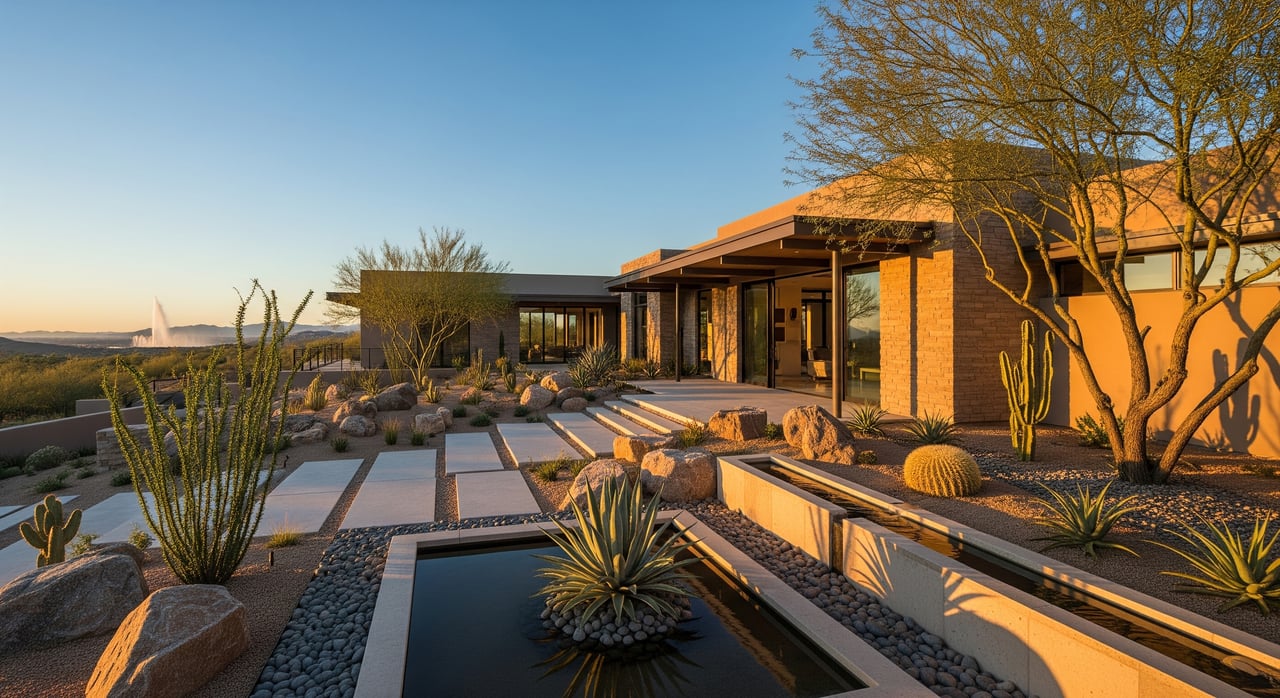
Keep your plant list tight and repeat the same 5 to 8 species for rhythm. Use decomposed granite with planting pockets, then layer heights: trees or large shrubs in back, mid‑story shrubs, and accents in front.
Create contrast with shapes and color. Pair soft shrubs with sculptural agaves or ocotillo. Use a specimen palo verde or ironwood as a visual anchor near the entry for an upscale feel.
Create a focal element
Pick one main feature: a trained single‑trunk shade tree, a natural boulder grouping, or a scaled water feature appropriate to the desert. Place it to draw the eye toward the front door and keep surrounding space simple.
Edit any clutter around mailboxes, utility boxes, or backflow preventers. A tidy screen of low shrubs or a color‑matched enclosure keeps the entry view clean and calm.
Hardscape and lighting
Quality hardscape elevates everything. Consider a paved entry walk, a small seating pad, or a low retaining wall that fits the architecture. Choose materials that handle sun well and avoid slick finishes.
Add low‑voltage or LED path lights and a few accent uplights on your specimen tree or cactus. Keep light levels tasteful to enhance evening appeal without glare.
Choose plants that thrive here
High‑impact shade trees
Palo Verde, Mesquite, and Ironwood are proven, low‑water choices that offer structure and cooling shade. Train to single trunks in front yards for a refined look and keep clear of foundations and rooflines.
Site trees where afternoon shade benefits windows and patios. Group with compatible shrubs below to create layered interest and efficient irrigation zones.
Colorful, low‑water shrubs and perennials
Texas or silverleaf sage, brittlebush, desert marigold, and penstemon provide seasonal color with modest water. Mix bloom times so something is showy in spring and again in fall or winter.
Hydrozone for success. Put similar water needs on the same valve so plants thrive without waste.
Cacti and succulent accents
Prickly pear, cholla, agaves, yuccas, and ocotillo add drama and form. Place spiny plants away from walkways and play areas for safety.
Limit accent species to a few bold statements rather than many small pieces. This reads cleaner and more upscale to buyers.
Turf alternatives that make sense
Use turf only where it serves a purpose, such as a small play or pet area. Elsewhere, opt for decomposed granite zones, patios, or low‑water groundcovers. If you prefer a green look without the water demand, consider artificial turf where allowed by your HOA.
For plant selection ideas and real‑world examples, explore the Desert Botanical Garden plant resources and guidance from the University of Arizona Cooperative Extension.
Irrigation and water management that pay off
Smart drip irrigation
Drip irrigation with pressure regulation is the most efficient way to water desert landscapes. Separate trees, shrubs, cacti, and any turf into distinct zones so each gets what it needs.
Upgrade to weather‑based or soil‑moisture controls. Many buyers value the efficiency of EPA WaterSense certified controllers, which adjust schedules for heat and monsoon rains.
Harvest the monsoon
Use shallow basins, swales, or micro‑catchments to slow and spread stormwater to plant roots. Grade carefully so runoff does not impact structures or neighbors.
If you are considering graywater, check state and town codes first. Rules and permits can apply depending on the system.
Seasonal maintenance
In summer, avoid heavy pruning and check irrigation after extreme heat. During monsoon season, watch for erosion and clear debris from drains. In winter, protect frost‑sensitive plants during cold snaps and irrigate appropriately.
Once a year, flush and filter drip lines, prune trees for structure and clearance, and remove invasive weeds such as buffelgrass.
Plan for permits, HOAs, and safety
Rules can vary by neighborhood and change over time. Confirm front‑yard appearance standards, rock colors, plant lists, and any restrictions through your HOA or architectural review.
Before building walls, changing grading, or adding deep water features, verify permit needs with the Town of Fountain Hills Planning and Building Department. Fence heights, retaining walls, drainage, and protected plant rules may apply.
If your property borders foothills or washes, consider defensible‑space practices. Keep plantings tidy, choose non‑invasive species, and maintain clear zones to reduce fire risk.
Budgets and quick‑win projects
You do not need a full redesign to impress buyers. Start with high‑impact, low‑effort upgrades:
- Plant and properly stake one high‑quality shade tree at the entry or front corner.
- Refresh decomposed granite, define planting edges, and remove dead or mismatched plants.
- Add a few bold accent succulents or a boulder grouping near the walkway.
- Install tasteful LED path lighting for safety and evening appeal.
- Swap an old timer for a smart irrigation controller and label zones.
- Prepare a simple landscape sheet with your plant list, watering guidance, and seasonal tasks for buyers.
Step‑by‑step: Update your yard
- Confirm rules. Check HOA guidelines and town permit triggers before you start.
- Set goals. Choose curb appeal, cooling shade, low maintenance, or all three.
- Sketch zones. Group plants by water needs and plan drip lines by zone.
- Pick a palette. Select native or adapted plants sized for maturity and scale.
- Get bids. Interview licensed landscapers and irrigation pros with local work samples.
- Phase the work. Start with the front yard, entry walk, lighting, and irrigation upgrades.
- Document results. Save water bills and controller details to share with buyers later.
Selling or buying? Use landscaping to your advantage
If you are selling, lead with curb appeal and proof of efficiency. Showcase any upgraded irrigation, smart controls, and low‑water plantings in your marketing. A tidy maintenance sheet tells buyers they will inherit an easy, well‑planned yard.
If you are buying, evaluate shade potential, plant health, irrigation zoning, and drainage. Ask for irrigation plans and controller info. A clean, water‑smart landscape can reduce costs and improve comfort from day one.
Ready to position your Fountain Hills home with a desert landscape that buyers love? Let’s map a plan that connects curb appeal and value with your timeline and budget. Reach out to Denise McManus to discuss your goals and get a clear path to market.
FAQs
What desert plants add the most curb appeal in Fountain Hills?
- Structural shade trees like Palo Verde or Ironwood, paired with repeated low‑water shrubs and bold accents such as agaves or ocotillo, create a refined, high‑impact look.
Are shade trees worth it for Arizona energy savings?
- Yes, when sited on south and west exposures, long‑lived low‑water trees can reduce cooling loads while adding structure and value to the yard.
Do I need permits for walls, grading, or water features in Fountain Hills?
- Possibly; fence and wall heights, retaining walls, grading changes, drainage, and deeper water features can trigger permits, so verify with the town before starting.
How can I cut outdoor water use without losing color?
- Group plants by water needs, install drip irrigation with a smart controller, and use drought‑tolerant shrubs and perennials that bloom in different seasons.
Will removing turf hurt resale value in Fountain Hills?
- It depends; removing non‑functional turf and installing an attractive low‑water design usually helps value, but keep small turf areas where they serve a clear purpose.
How long until new desert landscaping looks mature?
- Shrubs and groundcovers can fill in within 1 to 3 seasons, while shade trees usually take several years to deliver meaningful canopy and cooling benefits.